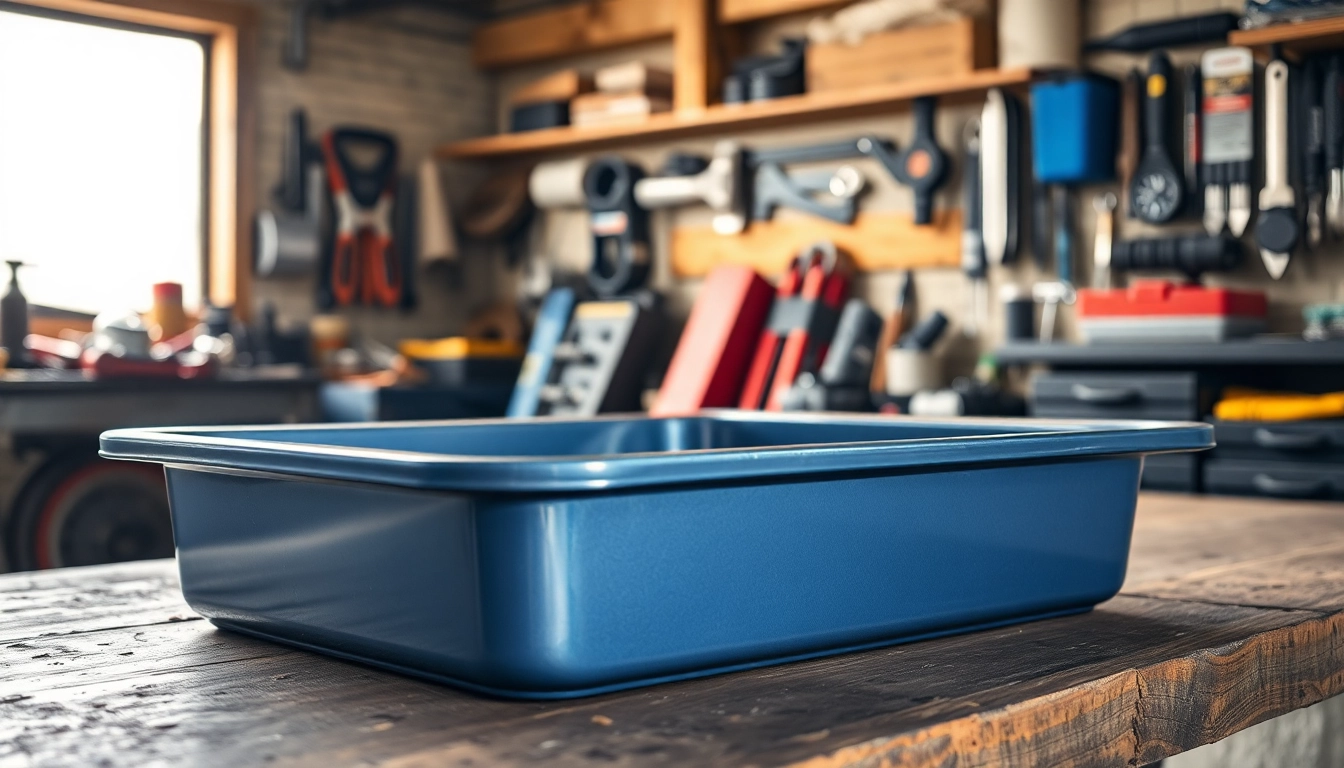
Understanding the Importance of an Oil Drain Pan
What is an Oil Drain Pan?
An oil drain pan is a crucial tool for any vehicle owner or mechanic, designed to facilitate the efficient draining and collection of used engine oil. Typically constructed from durable materials such as plastic, metal, or a combination of both, these pans are shaped to prevent spills and facilitate easy pouring. This essential item helps not only in ensuring a clean workspace but also in protecting the environment by allowing for the proper disposal of used oil. Whenever you undertake an oil change, having a reliable Oil Drain Pan becomes imperative.
Benefits of Using an Oil Drain Pan
Using an oil drain pan offers numerous advantages. Firstly, it aids in preventing messes that can occur during an oil change, thereby saving time and effort in cleanup. Secondly, it allows for responsible disposal of oil, ensuring it is sent to recycling facilities rather than contaminating the environment. An oil drain pan can also help in catching any other fluids that may leak from vehicles, further extending its utility. Lastly, using a quality oil drain pan means less spillage, which can save you money on spilled oil and the potential costs associated with environmental cleanup.
Common Materials Used in Oil Drain Pans
Oil drain pans are made from various materials, each offering distinct advantages. Here are the most common materials:
- Plastic: Lightweight and often more affordable, plastic pans are resistant to rust but can be prone to cracking and warping over time.
- Metal: Typically constructed from steel or aluminum, metal pans are more durable and can handle higher temperatures. They are less likely to deform and can last longer with proper care.
- Composite: Some pans combine the benefits of plastic and metal, offering strength while remaining lightweight. Composite materials can also be resistant to corrosion and chemical reactions.
Key Features to Look for in an Oil Drain Pan
Capacity Considerations for Your Oil Drain Pan
The capacity of an oil drain pan is one of the most crucial aspects to consider based on your needs. Standard pans can usually hold between 5 to 10 quarts of oil, but larger vehicles require larger pans. Ensure the pan you choose can accommodate the amount of oil you expect to drain in one go. Larger pans minimize the need for constant emptying, which enhances efficiency during changes.
Drainage and Pouring Efficiency
A well-designed oil drain pan should feature a spout or a lip for easy pouring. This minimizes mess during the transfer of used oil into recycling containers. Some pans have a built-in mechanism or a valve that allows for straightforward drainage, another essential feature for maintaining cleanliness and reducing hassle.
Durability: Material and Design
Durability is vital in determining how well an oil drain pan will serve you over time. Look for a pan made from high-quality materials that can withstand the rigors of regular usage. Additionally, consider features like ergonomic handles for easier handling and stability during use, especially when dealing with the weight of a full pan. Anti-slip bases help prevent spills during pouring.
Maintaining Your Oil Drain Pan
Cleaning Tips for Longevity
Keeping your oil drain pan clean is crucial for its longevity and effective performance. After each use, ensure that you fully rinse the pan with soap and warm water to eliminate any residue. For tougher stains, a non-abrasive scrubber can be helpful. Never use harsh chemicals that could damage the pan's surface. Make cleaning part of your routine after every oil change to ensure it remains in optimal condition.
Storage Solutions for Your Oil Drain Pan
Proper storage prolongs the lifespan of your oil drain pan. Store it in a dry area away from direct sunlight to prevent warping or degradation of the material. If possible, hang the pan or keep it in an upright position to avoid accidental damage. Having a designated spot also simplifies the process of locating it when needed.
Common Repairs and Maintenance Practices
Though relatively robust, oil drain pans can experience wear and tear. Inspect your pan regularly for cracks or deformities, which can lead to spills. If you notice minor cracks in plastic pans, they can sometimes be repaired using epoxy adhesive. For metal pans, welding might be necessary for serious damage. Regular checks and maintenance can save you from needing to purchase a new pan prematurely.
Choosing the Right Size and Shape for Your Needs
Standard Sizes vs. Custom Oil Drain Pans
Standard sizes typically cover the needs of most vehicle owners, but if you operate larger machinery or have specialty vehicles, consider custom oil drain pans. These tailored solutions can ensure that you have a pan that meets your exact specifications, enhancing efficiency and convenience during oil changes.
Flat vs. Deep Designs
The shape of your oil drain pan can significantly affect performance. Flat designs are typically easier to store and tend to be more stable when pouring. However, deep designs hold more oil and can be safer for larger fluid quantities. Consider both the storage space available and what types of vehicles you'll service when choosing between flat and deep options.
Portable vs. Stationary Options
For most casual users, a portable oil drain pan is sufficient, allowing for easy handling and transportation to various locations. However, professional mechanics may benefit from stationary oil drain pans, which can be fixed to the floor and often feature built-in drainage systems. Assess your needs to determine which type best suits your usage.
FAQs About Oil Drain Pans
What is the best size for an oil drain pan?
The best size for an oil drain pan varies depending on your vehicle's oil capacity. For most cars, a pan that holds 5-10 quarts suffices, while larger vehicles may require bigger options.
How do I clean my oil drain pan?
To clean your oil drain pan, rinse it with warm water and non-abrasive soap after each use. For stubborn oil stains, a non-scratch scrubber can help, but avoid harsh chemicals.
Can I use any pan for draining oil?
Using any pan for draining oil is not advisable. Specialized oil drain pans are designed to safely handle high temperatures and contain fluids without spillage.
Are there eco-friendly oil drain pans?
Yes, some manufacturers offer eco-friendly oil drain pans made from recyclable materials and designed for sustainable practices. Always check if they meet environmental standards.
How long does an oil drain pan last?
The lifespan of an oil drain pan depends on its material and usage. A well-maintained metal pan can last years, while plastic options may need replacement sooner if not cared for properly.