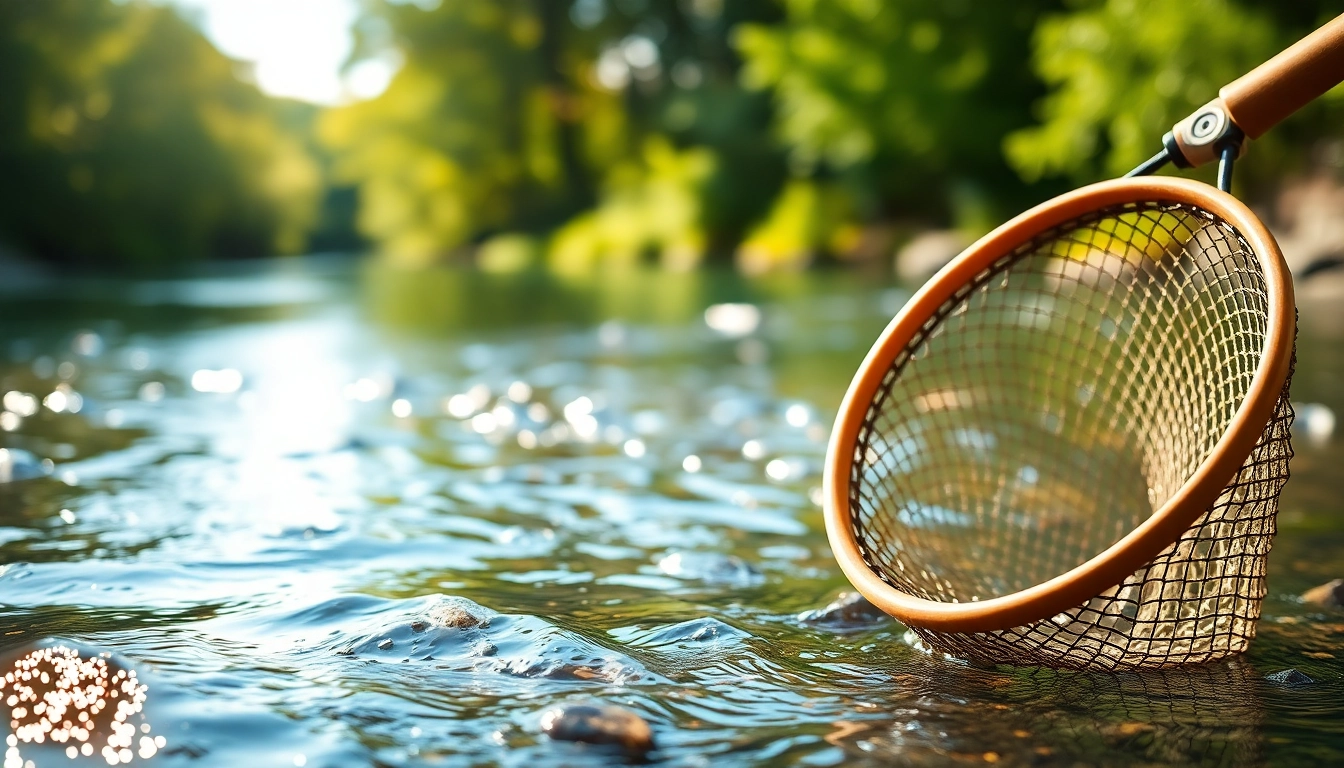
Understanding the Basics of Fly Fishing Net
What is a Fly Fishing Net?
A Fly fishing net is an essential tool for any angler looking to catch fish efficiently and humanely. Unlike conventional nets used in other forms of fishing, fly fishing nets are designed with specific features to accommodate the unique methods and techniques associated with fly fishing. Typically constructed with lightweight materials, they have a design that enables quick retrieval of fish while minimizing harm to the fish and maximizing your chances of a successful catch.
Common Features of Fly Fishing Nets
Fly fishing nets come equipped with specific features tailored for catch-and-release practices. Common characteristics include:
- Rubberized Mesh: Minimizes harm to fish and prevents tangling.
- Lightweight Construction: Easy to maneuver in the water and carry during your outing.
- Circular Hoop Design: Allows for easier scooping of fish, particularly in swift water conditions.
- Ergonomic Handles: Designed for comfort to reduce strain during extended use.
Benefits of Using a Fly Fishing Net
The benefits of incorporating a fly fishing net into your angling kit are vast. Key advantages include:
- Efficient Landing: Quick and effective means of landing fish, reducing the time fish are out of the water.
- Improved Fish Survival: Minimizes stress and injury to fish, particularly crucial for catch-and-release fishing.
- Enhanced Control: Provides better control over the fish during retrieval, allowing for better handling.
- Easy Storage: Many nets can collapse or fold, making them easy to store when not in use.
Selecting the Right Size for Your Fly Fishing Net
Hoop Sizes Explained
The size of the hoop on your fly fishing net plays a crucial role in its effectiveness. Larger hoop sizes (15-20 inches) are ideal for bigger fish species, like salmon, while smaller sizes (8-14 inches) work well for trout or panfish. Understanding the right hoop size ensures that you choose a net capable of efficiently landing your target species.
Length and Handle Considerations
When choosing a net, consider the length of the handle carefully. Shorter handles provide more maneuverability in tight streams, while longer handles offer reach for larger bodies of water or when fishing from a boat. The handle length should match your angling environment.
Matching Size to Fish Species
Understanding your target species will inform your net size choices. For example, steelhead and larger trout often require nets with deeper bags and larger hoop sizes to accommodate their longer bodies. In contrast, smaller species can be effectively handled with a more compact net.
Material Choices for Fly Fishing Nets
Wood vs. Metal vs. Composite
Fly fishing nets are often made from various materials, including wood, metal, and composite materials:
- Wood: Offers a traditional aesthetic and is often lighter than metal. However, they may not be as durable in wet environments.
- Metal: Provides strength and durability but can be heavy. Ensure it is coated to prevent rust.
- Composite: Combines the benefits of weight and durability. Perfect for long-term use in corrosive environments.
Advantages of Rubberized Mesh
Rubberized mesh has become the standard for fly fishing nets due to its numerous advantages. This material reduces friction, minimizing harm to fish, making it easier to unhook them without causing damage. It also dries faster and reduces the likelihood of bacteria growth compared to nylon mesh.
Durability and Care Instructions
To ensure a long lifespan for your fly fishing net, proper care and maintenance are essential. Rinse the net after each use to remove salt or dirt, inspect for tears or wear, and store it in a dry location. Proper care not only extends the life of your net but also maintains its performance.
Advanced Techniques with a Fly Fishing Net
Handling Fish Safely
When using a fly fishing net, proper fish handling techniques are essential. Wet your hands before touching the fish to minimize scale loss and improve your chances of a successful release. Use the net to support the fish, avoiding putting excess pressure on its body.
Catch-and-Release Best Practices
Successful catch-and-release practices hinge on minimizing stress and injury to fish. Use a net with a rubberized mesh, handle fish gently, and keep them in the water whenever possible. Quick unhooking and gentle handling are paramount to increasing the survival rates of released fish.
Extending the Life of Your Fly Fishing Net
To extend the longevity of your fly fishing net, keep it clean after use, avoid dragging it across rough surfaces, and store it securely. Additionally, checking regularly for issues will help you promptly address wear and damage before it becomes a significant problem.
FAQs about Fly Fishing Nets
What size net is best for fly fishing?
The size of your net should correspond to the species you are targeting. For trout, a hoop size of 10-15 inches is ideal, while larger fish like salmon need nets 20 inches or bigger.
Why do fly fishermen prefer specific net designs?
Specific net designs help minimize fish injury and enhance control during landing. Shapes that allow for easy scooping and have deeper bags are preferred for effective landings.
Can I use a landing net for other types of fishing?
While designed for fly fishing, landing nets can be used in other fishing types. However, using a net that suits the fish size and type is vital for effective handling.
How to properly clean my fly fishing net?
Rinse your net in freshwater after each use, especially if used in saltwater. Avoid soaps or harsh cleansers. Allow it to air dry completely to prevent mold and deterioration.
Are there nets specifically designed for catch and release?
Yes, nets designed for catch-and-release typically feature rubberized mesh to reduce harm to fish and minimize stress during handling. They are essential for conservation-minded anglers.