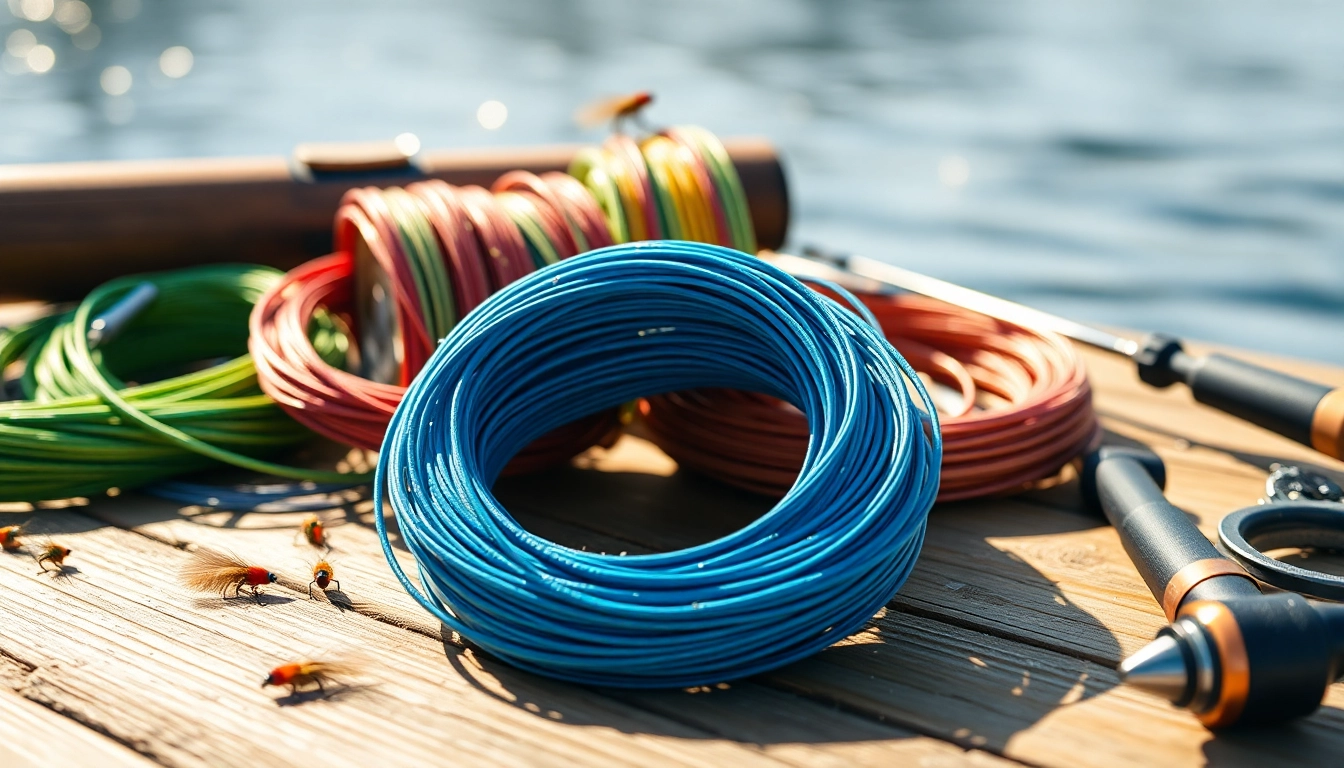
Understanding the Different Types of Fly Fishing Line
Choosing the right Fly fishing line is essential for successful angling. There are several types of fly fishing lines designed for various fishing conditions and techniques. Understanding the differences will help you select the best line for your needs.
Floating Fly Fishing Line
Floating fly lines are perhaps the most popular type of line among anglers, especially for dry fly fishing. These lines stay atop the water surface, making them ideal for presenting dry flies that mimic insects. Floating lines are further categorized based on their taper designs, allowing for different presentation techniques. They are versatile, accommodating both nymphs and streamers when adjusted accordingly.
Sinking Fly Fishing Line
Sinking fly lines are designed to descend into the water, allowing anglers to target fish that are feeding below the surface. Available in various sinking rates (slow, medium, and fast), these lines help you reach fish at different depths. They’re particularly effective for targeting species like trout during certain times of the year, especially when fish are no longer rising to the surface.
Intermediate Fly Fishing Line
Intermediate fly lines are a hybrid option, sinking slowly below the surface. They are highly effective for fishing at mid-depth levels where certain species feed. This line type is often used for streamer fishing or fishing in slightly choppy waters after a rain, effectively presenting lures to fish that are not at the surface or the bottom.
Factors to Consider in Fly Fishing Line Selection
Selecting the ideal fly fishing line involves several important factors that can significantly impact your fishing experience. Understanding these factors can enhance your effectiveness on the water.
Weight and Taper of Fly Fishing Line
The weight of your line must correspond to your rod's designation for optimal performance. Lines are categorized by weight, typically ranging from 1 to 12, with heavier lines for larger fish and lighter lines used for smaller species. Taper refers to how the line's diameter changes along its length, which affects casting distance and precision. Weight Forward (WF) lines are excellent for greater distance, while Double Taper (DT) lines offer finesse when making delicate presentations.
Water Conditions and Fishing Scenarios
Different line types are better suited to specific water conditions, such as currents, clarity, and temperature. For instance, floating lines excel in calm, clear waters where visibility is key, while sinking lines work well in turbulent or murky conditions where fish are usually found at greater depths. Adapting your line to match the conditions could make all the difference in catching fish.
Matching Fly Fishing Line to Rod and Reel
Your rod and reel setup should complement your selected line. Ensure that your setup is balanced; a heavy line on a light rod can inhibit casting and control. Your reel must also be compatible concerning weight and backing capacity. Always check your manufacturer’s specifications to maintain optimal performance.
Best Practices for Using Fly Fishing Line
Knowing how to properly utilize your fly fishing line can significantly improve your success rate. Here are some best practices to follow.
Proper Casting Techniques with Fly Fishing Line
Mastering the right casting technique is fundamental to effective fly fishing. The classic overhead cast is commonly used with floating lines, while roll casts are beneficial for tight spaces or during wind conditions. Practicing these techniques will enhance your casting distance and accuracy, ensuring you can deliver your fly precisely where it needs to be.
Maintaining Your Fly Fishing Line
Regular maintenance of your fly fishing line extends its lifespan and ensures optimal performance. Rinse your line with freshwater after each use to remove dirt and debris. Use a line dressing or lubricant periodically to enhance casting performance and aid in line management.
Storing Fly Fishing Line Safely
Proper storage of your fly fishing line helps prevent tangles and wear. Store lines in a dry, cool place and use line spools or boxes to keep them organized. Avoid leaving your line on a reel that is exposed to sunlight for long periods, as UV rays can deteriorate the line’s material over time.
Common Issues Encountered with Fly Fishing Line
Even seasoned anglers may face challenges with their fishing lines. Familiarizing yourself with common issues and solutions will enhance your fishing experience.
Tangles and Knots in Fly Fishing Line
Tangles are one of the most common frustrations faced by anglers. To minimize this, lay your line out correctly and avoid winding it too tightly. Practice various casting techniques to help reduce the risk of tangles and ensure that the line is free-flowing while you fish.
Wear and Tear on Fly Fishing Line
Over time, your fly fishing line may show signs of wear such as cracks or discoloration. Inspect your line regularly for any damage. If wear is evident, it's time to replace your line to maintain casting performance and fish safely.
Choosing the Right Leader for Your Fly Fishing Line
The leader acts as the connection between your fly line and the fly, making it crucial for presentation. Consider tapering and the thickness of your leader in relation to the size of your fly and the type of fish being targeted. A well-chosen leader can significantly affect the success of your cast and hook set.
Frequently Asked Questions About Fly Fishing Line
What weight of fly fishing line should I use?
The weight of your fly fishing line should match your rod's rating for optimal performance. Typically, beginners start with a 5 or 6 weight line.
How often should I replace my fly fishing line?
It's recommended to replace your fly fishing line every 1 to 2 seasons, or sooner if you notice significant wear or damage.
What is the difference between WF and DT fly fishing line?
WF (Weight Forward) lines are designed for easier casting over distances, while DT (Double Taper) allows for subtle presentations in close range.
Can I use a saltwater fly fishing line in freshwater?
While you can use saltwater fly fishing line in freshwater, it's advisable to choose line specifically designed for freshwater to enhance performance.
How do I clean my fly fishing line?
To clean your fly fishing line, rinse it with freshwater and use a mild detergent. Avoid abrasive materials which can damage the line.