
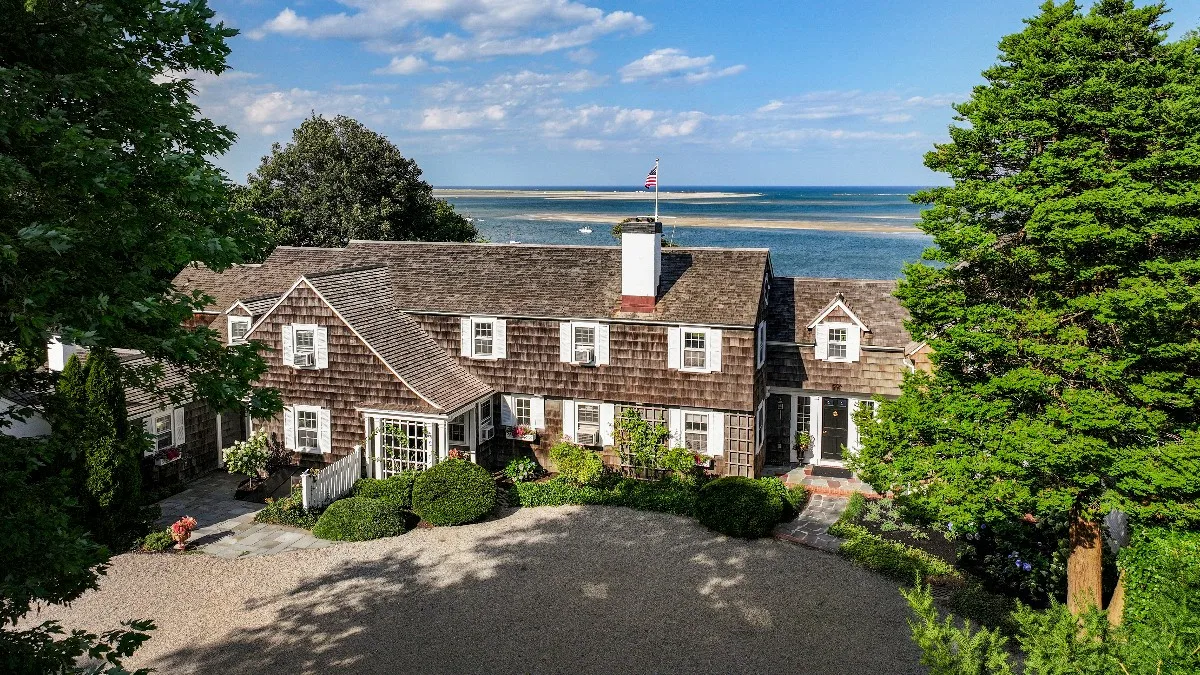
A Cape Cod Home has an architectural language that feels instantly familiar—simple, balanced, and quietly elegant. Rooted in early American traditions, the Cape cod home continues to evolve as homeowners seek brighter spaces, better layouts, and modern amenities. The challenge is not whether these homes can adapt, but how to balance timeless style with the demands of modern living.
The Architectural Roots of a Cape Cod Home
The classic Cape Cod Home was designed with practicality in mind. Steep roofs shed snow, symmetrical façades created balance, and compact footprints made construction efficient. These homes were never meant to be elaborate; their strength lies in restraint. Preserving this architectural DNA is essential when making updates.
Why Balance Is Essential in Cape Cod Home Architecture
Unlike more ornate styles, a Cape Cod Home depends on proportion rather than decoration. Small changes can have a big visual impact. When modern elements overwhelm the original form, the home can quickly lose its identity. Thoughtful architectural decisions ensure that new features enhance rather than compete.
Respecting Scale and Symmetry
Scale is critical in any Cape Cod Home project. Window sizes, roof pitches, and façade proportions should remain consistent throughout the structure. Even when adding square footage, maintaining symmetry helps the home feel cohesive and intentional rather than altered.
Adapting the Floor Plan for Modern Living
Traditional layouts in a Cape Cod Home often include smaller rooms and defined spaces. While this creates coziness, it can feel limiting for contemporary lifestyles. Modern living requires better flow, flexible rooms, and shared gathering spaces.
Creating Openness Without Losing Charm
Instead of removing all interior walls, selective openings allow a Cape Cod Home to feel more connected. Wider doorways, aligned sightlines, and shared light sources create openness while preserving the sense of structure that defines the style.
Light as a Modern Design Tool
Natural light plays a major role in modernizing a Cape Cod Home. Many original designs feel darker due to small windows and deep floor plans. Introducing additional light must be done carefully to avoid disrupting exterior balance.
Thoughtful Window Placement
Adding or enlarging windows in a Cape Cod Home should always respect symmetry and proportion. When done correctly, increased daylight enhances comfort while remaining visually consistent with the home’s traditional appearance.
Rooflines, Dormers, and Vertical Space
Roof design is one of the most defining features of a Cape Cod Home. Dormers are not just aesthetic elements—they are powerful architectural tools that make second floors more livable.
Dormers That Feel Original
Well-proportioned dormers add headroom and light without overpowering the roofline of a Cape Cod Home. Matching roof pitch and trim details ensures these additions feel like they were always part of the design.
Integrating Modern Materials and Systems
Modern living requires efficient systems, improved insulation, and updated materials. The key is integrating these upgrades discreetly so the Cape Cod Home retains its traditional character.
Hidden technology, energy-efficient windows, and modern mechanical systems can dramatically improve comfort without altering the home’s visual identity.
Exterior Design That Honors Tradition
Exterior updates to a Cape Cod Home should reinforce simplicity. Siding choices, trim details, and color palettes work best when they echo classic materials rather than chase trends.
A restrained exterior ensures the home remains timeless, allowing modern functionality to exist quietly behind a traditional façade.
The Architect’s Role in Achieving Balance
Because architectural balance is so delicate, working with an architect is especially important for a Cape Cod Home. An experienced architect understands how small design decisions affect the overall composition.
Keri Murray Architecture approaches each Cape Cod Home with careful attention to proportion, history, and modern needs. This ensures that every project supports both daily living and long-term value.
Avoiding Common Design Mistakes
Oversized additions, inconsistent materials, and mismatched rooflines are common mistakes that can compromise a Cape Cod Home. Avoiding these pitfalls requires clear vision and disciplined design choices rooted in the home’s original architecture.
Conclusion: A Cape Cod Home Designed for Today and Tomorrow
A well-designed Cape Cod Home proves that timeless style and modern living are not opposites. By respecting architectural roots, maintaining proportion, and thoughtfully integrating contemporary features, homeowners can enjoy comfort without sacrificing character. A carefully balanced Cape Cod Home stands as a lasting investment—one that honors tradition while embracing the way we live today.