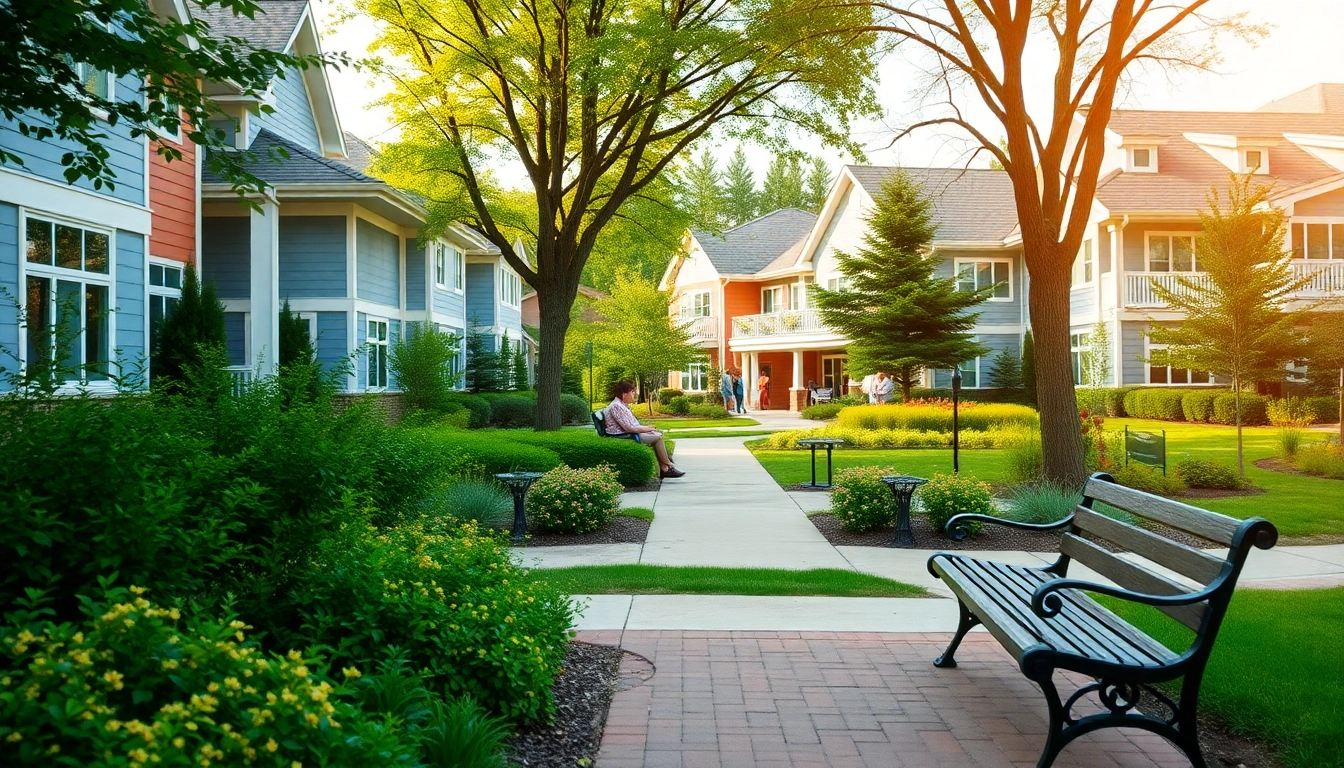
Understanding Senior Living Options
As we age, the nuances of living arrangements become more pronounced, and making informed decisions is crucial for ensuring a fulfilling lifestyle. Navigating the complex landscape of senior living communities can be overwhelming; however, with proper guidance, families can find the right options to meet their needs. Whether you are considering moving to an independent living, assisted living, or nursing home facility, understanding the various choices will empower you to make the best decisions. Without the right resources, this process can be daunting, which is why platforms like https://frontidas.com exist to support you. Below, we delve into the types of communities available and key factors to consider when evaluating your options.
Types of Senior Living Communities
Senior living communities can broadly be divided into several categories, each tailored to different levels of care and lifestyle preferences:
- Independent Living: These communities are designed for seniors who are capable of living on their own but appreciate having access to amenities and a community. Services often include housekeeping, transportation, and recreational activities.
- Assisted Living: Ideal for those needing help with daily activities such as bathing, dressing, and medication management, assisted living facilities provide a higher level of care while still promoting independence.
- Nursing Homes: Also known as skilled nursing facilities, these are best suited for seniors who require 24-hour medical care. The staff is equipped to help residents with complex health needs and rehabilitation services.
- Memory Care: These specialized units focus on residents with dementia or Alzheimer’s, offering tailored programs and environments to ensure safety and engagement.
- Continuing Care Retirement Communities (CCRCs): These facilities provide multiple levels of care on one campus, allowing seniors to transition between independent living, assisted living, and nursing care as their needs change.
Evaluating Quality of Care
Quality of care is a crucial consideration when selecting a senior living community. Here are some key indicators to look for:
- Staff-to-Resident Ratio: A lower ratio often indicates more personalized care and attention for residents.
- Staff Training: Inquire about the staff’s qualifications and ongoing training programs, especially regarding specialized care such as memory care.
- Facility Cleanliness and Safety: Regular inspections and cleanliness can reflect a community’s overall quality and commitment to resident health.
- Resident Feedback: Engage with current residents and their families during your visits to gain insights into the community’s atmosphere and care standards.
- Accreditation: Look for communities that are accredited by relevant organizations, ensuring they meet established standards of care.
Financial Planning for Senior Living
Planning for long-term care can pose financial challenges. Understanding the costs involved and navigating potential payment options is essential:
- Understanding Costs: Monthly fees can vary widely depending on location, amenities, and level of care. Create a detailed budget considering living expenses, care costs, and unexpected medical expenses.
- Payment Options: Explore various funding sources, including private savings, long-term care insurance, Medicaid, and veterans’ benefits.
- Consider Future Needs: Factor in potential changes in care requirements as health evolves. It’s wise to choose a community that can accommodate an increase in care without requiring a move.
Health and Wellness for Seniors
Health and wellness for seniors encompass more than just physical care. It includes mental health, nutrition, and social engagement—each component playing a vital role in maintaining quality of life as we age.
Importance of Physical Activity
Physical activity is a cornerstone of healthy aging, contributing to improved mobility, strength, and overall health. Regular exercise can help manage weight, reduce the risk of chronic diseases, and bolster mood. Here are some popular options for seniors:
- Walking: Simple yet effective, walking is accessible and flexible, allowing personalization based on fitness levels.
- Water Aerobics: The buoyancy of water reduces the impact on joints, making it a safe option for those with mobility issues.
- Yoga and Tai Chi: These activities enhance balance, flexibility, and mindfulness, catering specifically to aging bodies.
- Strength Training: Incorporating light weights can combat age-related muscle loss, improving functional ability.
Nutritional Needs for Aging Adults
Nutrition plays a pivotal role in health maintenance for seniors. As metabolism slows, dietary needs shift. Key considerations include:
- Balanced Diet: Focus on nutrient-dense foods, including fruits, vegetables, whole grains, lean proteins, and healthy fats.
- Hydration: Encourage regular fluid intake, as seniors may not feel thirsty even when dehydrated.
- Supplementation: Consult with healthcare providers about necessary vitamins and minerals to fill dietary gaps, especially Vitamin D and Calcium for bone health.
Mental Health Resources
Mental health is an often-overlooked aspect of senior care. Resources and supportive environments can alleviate feelings of loneliness and depression:
- Community Programs: Seek out local programs that offer social clubs, art classes, or educational workshops aimed at fostering social connections.
- Counseling Services: Professional counseling can be beneficial for managing mental health issues, whether through individual therapy or group settings.
- Mindfulness Techniques: Encourage practices that nurture mental wellness, including meditation, engaging in hobbies, or volunteering activities.
Embracing Lifestyle Changes
Transitioning into a senior living community represents a significant lifestyle change. Embracing this change involves adaptability and a positive outlook.
Adapting to New Environments
Adjusting to new surroundings can be challenging, but approaches exist to facilitate a smoother transition:
- Decluttering: Simplifying personal belongings can ease the moving process, making the new space feel like home.
- Familiarization: Encourage new residents to explore their community and engage with neighbors and staff to build a sense of belonging.
- Personalization: Bringing personal items and decor can help make a new environment feel more familiar and comfortable.
Social Engagement and Activities
Being socially active is crucial for mental and emotional well-being. Communities often offer numerous opportunities for residents to connect:
- Group Activities: Look for a variety of scheduled social events ranging from fitness classes and arts and crafts to movie nights and book clubs.
- Intergenerational Programs: Partnering with local schools or youth organizations can foster meaningful interactions and mutual learning.
- Outings and Trips: Participate in organized day trips or excursions to local attractions, allowing residents to keep engaged with the outside world.
Personal Safety in Senior Living
Ensuring personal safety is paramount. When evaluating communities, consider these elements:
- Emergency Response Systems: Check for the availability of emergency call systems in each living space and trained staff to respond to crises.
- Secure Environments: Gated entries or security personnel can bolster safety in the community.
- Accessibility: Assess physical accessibility features, such as ramps, grab bars, and well-lit common areas.
Finding the Right Community
Finding the perfect senior living community requires thorough research and consideration of various factors.
Researching Local Options
Start by compiling a list of potential communities within your desired location. Utilize resources such as:
- Online Reviews: Explore community feedback on websites dedicated to senior living to gauge resident experiences.
- Local Agencies: Reach out to local senior services agencies who often have insights into reputable communities.
- Word of Mouth: Talk to friends, family, or healthcare professionals who may recommend trusted facilities.
Visiting Potential Facilities
Visiting communities is a crucial step in the selection process. During your visit, consider:
- Touring the Premises: During a guided tour, observe cleanliness, staff interactions, and resident activities.
- Sample Meals: If possible, dine at the community to evaluate food quality and variety.
- Engaging with Staff and Residents: Ask residents about their experiences and evaluate staff responsiveness and demeanor.
Questions to Ask Administrators
Facilitating a discussion with community leaders can shed light on operational procedures and expectations. Essential questions include:
- Staff Training Programs: Inquire about ongoing qualification and certification for staff members.
- Emergency Preparedness Plans: Understand how they handle emergencies—medical or environmental.
- Policy on Medication Administration: Ask how they manage medication for residents needing assistance.
Future Trends in Senior Living
The landscape of senior living is evolving rapidly, driven by technological advancements and shifting societal norms.
Innovation in Care Solutions
Senior care continues to innovate with new models designed to accommodate aging populations effectively:
- Personalized Care Plans: Tailored care solutions are becoming more commonplace, allowing communities to meet individual needs better.
- Preventive Health Measures: Increased focus on preventive care ensures that health issues are addressed before they become severe.
Technology Integration for Seniors
Technological integration is transforming senior living, promoting higher independence and connectivity:
- Smart Home Devices: Technologies that assist with daily tasks, from automated lighting to emergency alerts, are becoming sophisticated and user-friendly.
- Telehealth Services: Virtual medical consultations and monitoring systems provide more accessible healthcare options for seniors.
Planning for Aging Populations
As the population of seniors continues to grow, communities are adapting to accommodate increasing demands:
- Multi-Generational Communities: Emerging models integrating seniors with other age groups promote greater interaction and social wellness.
- Lightly Staffed Living Solutions: Models allowing for minimal staff engagement help foster independence while ensuring safety and care when essential.
In conclusion, navigating senior living options is an extensive process from understanding community types to prioritizing health and wellness. Utilizing resources and community services can enhance decision-making and lead to finding the ideal living arrangement that fosters a fulfilling lifestyle. Embrace this new chapter with the confidence that comes from being informed and prepared.