Understanding Metal Stamping Dies
In the realm of manufacturing, the significance of precision cannot be overstated. Metal stamping dies are pivotal components used in the process of shaping and molding various metal parts efficiently and accurately. They serve as the backbone of metal stamping, ensuring that intricate designs and critical dimensions are met. From automotive applications to consumer electronics, the versatility of metal stamping dies is unrivaled, making them an essential topic for industry professionals and enthusiasts alike.
What Are Metal Stamping Dies?
Metal stamping dies are specialized tools utilized to cut, shape, and form metal sheets into desired configurations. These dies can be categorized into several types based on their design and functionality, each serving distinct purposes in the stamping process. A die typically includes two main components: the punch, which applies force to the workpiece, and the die block, which supports the material being shaped. Together, they facilitate the production of high-quality parts through dedicated die designs that cater to specific applications.
Types of Metal Stamping Dies
Understanding the various types of metal stamping dies is crucial for manufacturers looking to optimize their production processes. Key types include:
- Progressive Dies: These dies enable multiple operations in one cycle, feeding the material through several stations, each one performing a different function.
- Compound Dies: These dies perform multiple operations simultaneously, often cut and form the material in a single stroke.
- Transfer Dies: Designed to move parts from one operation to another, transfer dies are ideal for complex shapes that require multiple forming steps.
- Single-Operation Dies: These dies perform one operation per cycle and are best suited for simple shapes and cuts.
- Blanking Dies: Specifically used for cutting flat shapes from sheets of metal, blanking dies form the initial part that will undergo further processing.
Applications of Metal Stamping Dies
The applications of metal stamping dies span numerous industries, reflecting their adaptability and reliance. Key areas of application include:
- Automotive Industry: Metal stamping dies produce components such as body panels, brackets, and frames, contributing significantly to vehicle assembly.
- Consumer Electronics: Stamping dies are employed to create intricate parts like housings, connectors, and battery cases, essential for the functionality of devices.
- Aerospace: In aerospace, precision is critical; therefore, custom stamping dies are crucial for creating parts that meet stringent safety and design standards.
- Medical Equipment: The medical field leverages stamping dies for precision parts used in life-saving devices and surgical tools.
- Home Appliances: From kitchen appliances to washing machines, stamping dies play a vital role in producing components that ensure durability and reliability.
Benefits of Using Metal Stamping Dies
The adoption of metal stamping dies offers manufacturers several advantages that enhance production rates and product quality. Below, we explore some of the key benefits.
Increased Production Efficiency
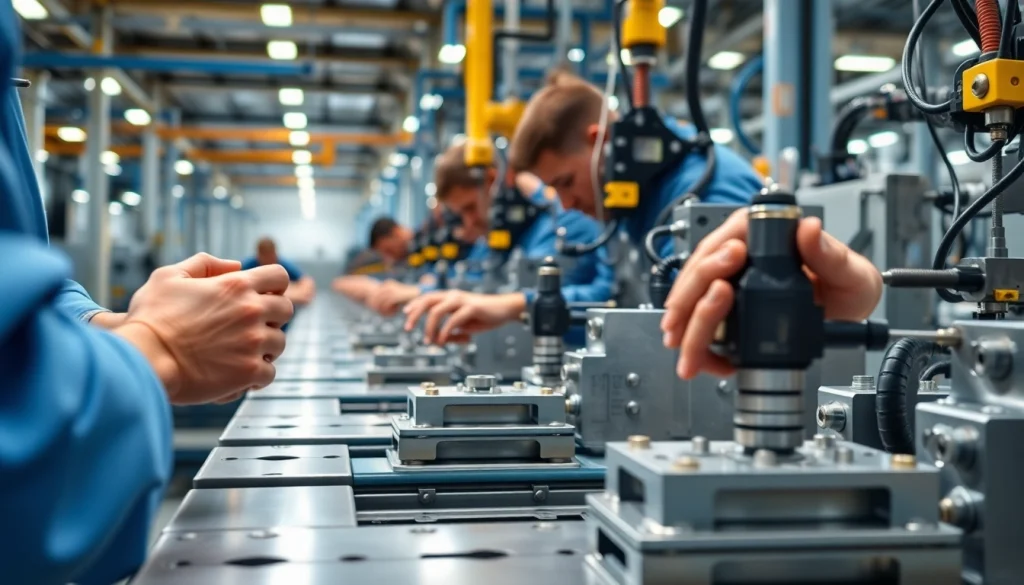
One of the most significant advantages of using metal stamping dies is the increased production efficiency. By automating the stamping process through sophisticated dies, manufacturers can achieve high output levels while maintaining consistent quality. Progressive dies, for example, allow for multiple operations within a single cycle. This minimizes manual intervention and bottlenecks in production, resulting in faster turnarounds and reduced lead times. The use of metal stamping also streamlines the transition from design to production, enabling rapid prototyping and faster market entries.
Cost-Effectiveness and Quality Assurance
In production, cost-effectiveness often dictates a manufacturer’s ability to stay competitive. Metal stamping dies provide a cost-efficient solution due to their durability and the reduced need for secondary processes. Advanced die designs can produce intricate components without the necessity for additional machining, lowering labor costs and material waste. Furthermore, the precision achieved through stamping ensures that parts meet exact specifications, which is crucial for maintaining quality assurance and reducing the rate of defects in productions.
Flexibility in Design and Material
With advancements in die technology, manufacturers now enjoy greater flexibility regarding design and materials. Metal stamping dies can be tailored to produce components in various materials, including aluminum, brass, and stainless steel. This versatility allows businesses to adapt to market demands quickly, accommodating varying volumes and product changes without significant tooling investments. Additionally, innovative design capabilities enable the creation of more complex and lightweight structures, which can lead to novel product designs and improved performance.
Choosing the Right Metal Stamping Die
Selecting the appropriate metal stamping die is crucial to achieving desired outcomes in terms of efficiency, cost, and product quality. Here are essential factors to consider when making this important decision.
Factors to Consider When Selecting Dies
When evaluating options for metal stamping dies, manufacturers should consider several key factors:
- Material Type: Different materials require specific die types; understanding the physical properties of the target material is vital.
- Production Volume: High-volume production may benefit from progressive or transfer dies, while low-volume runs might be more suited to single-operation dies.
- Complexity of Design: The level of complexity in the part design will influence the choice of die. More complex designs may necessitate custom dies that provide greater functional capabilities.
- Cost Considerations: The initial investment versus the expected return on efficiency, quality, and lifespan should guide the selection process.
- Technology Integration: The ability of the die to integrate with existing machinery and automation systems is essential for optimizing workflows.
Common Mistakes to Avoid
While choosing metal stamping dies, avoiding common pitfalls will help ensure effective outcomes:
- Overlooking Material Compatibility: Failing to consider the compatibility of die materials with the workpiece can lead to increased wear and tear and reduced lifespan.
- Ignoring Production Goals: It is crucial to align die selection with production objectives. Selecting a die not suited for intended volumes can hinder performance.
- Neglecting Expert Input: Dismissing the need for expert consultation may result in selecting inappropriate dies. Engaging with experienced manufacturers can provide invaluable insights.
Consulting with Expert Manufacturers
When in doubt, consulting expert manufacturers who specialize in metal stamping dies can prove beneficial. They can guide operations through the selection process, identifying the right die configurations based on specific applications. Manufacturers provide practical insights based on industry benchmarks and can suggest improvements or alternatives that could enhance production outcomes. A thoughtful consultation can save time and costs while boosting efficiency and overall performance.
Maintenance and Care for Metal Stamping Dies
To ensure the long-lasting performance of metal stamping dies, proper maintenance and care are essential. An effective maintenance strategy can significantly prolong die life and optimize production efficiency.
Best Practices for Die Maintenance
Implementing the following best practices can help maintain your metal stamping dies:
- Regular Cleaning: Regularly clean dies to remove chips, dust, and residue that can interfere with performance.
- Lubrication: Apply appropriate lubricants to reduce friction and heat buildup, thus minimizing wear and ensuring smooth operation.
- Inspection: Conduct routine inspections to catch signs of wear or damage early, preventing more significant issues later on.
- Storage Conditions: Store dies in a clean, dry, and controlled environment to prevent corrosion and deterioration.
Signs of Wear and When to Replace
Recognizing signs of die wear is critical for maintaining production quality. Common indicators include:
- Visible signs of damage, such as chipping, cracking, or deformation.
- Inconsistent part dimensions or quality, suggesting a decline in die performance.
- Increased scrap rates due to production defects, indicating that the die may no longer meet quality standards.
- Longer cycle times or difficulties in die operation, which may signal that the die is nearing the end of its useful life.
When these issues arise, it’s essential to plan for replacement to avoid production halts and quality issues.
Repairing vs. Replacing Stamping Dies
Deciding whether to repair or replace metal stamping dies can impact operations. Factors to consider include:
- Cost of Repair vs. Replacement: Analyzing the costs of repairing a dying die versus the investment in new technology can guide the decision.
- Time Constraints: If downtime is critical to operations, sometimes it is more advantageous to invest in new dies.
- Performance Improvements: Sometimes, newer dies can provide enhanced performance metrics that older ones cannot achieve, making replacement worthwhile.
Future Trends in Metal Stamping Technologies
As industries evolve, so do the technologies surrounding metal stamping dies. Future trends highlight innovations that are enhancing manufacturing capabilities.
Advancements in Automation and Robotics
The integration of automation and robotics in metal stamping is reshaping the manufacturing sector. Advanced robotics can streamline operations, performing complex tasks with precision and consistency. Automation helps reduce human error, enhances safety, and allows for continuous production runs without fatigue. New designs are enabling robots to take on roles traditionally filled by manual labor, significantly reducing cycle times and increasing output efficiency.
Emerging Materials and Sustainability Practices
With a growing emphasis on sustainability, the development of eco-friendly materials is becoming increasingly important in metal stamping. Manufacturers are exploring alternative materials that offer the same structural integrity while being more environmentally friendly. Innovations like biodegradable metals and recyclable composites are leading the charge towards greener manufacturing practices. Implementing these sustainable options can improve a company’s eco-footprint and appeal to conscious consumers.
Impact of Industry 4.0 on Stamping Processes
Industry 4.0 is revolutionizing the way metal stamping processes function, employing IoT (Internet of Things) and big data analytics to optimize operations. By leveraging real-time data, manufacturers can diagnose issues faster, predict maintenance needs, and increase operational efficiency. This connectivity fosters smarter operations that adapt dynamically to changes in production demands, ultimately allowing manufacturers to remain competitive in a fast-paced environment.