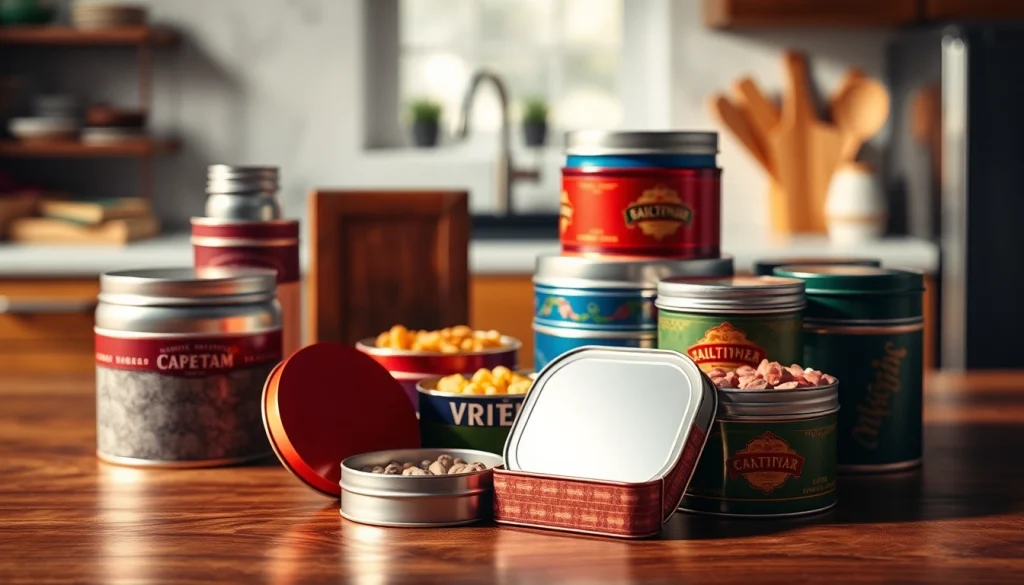
The Importance of Custom Tins in Packaging
Custom tins have emerged as a crucial player in the packaging landscape, providing brands with a unique way to present their products while ensuring functionality and durability. In an era where consumer choices are driven by aesthetics and emotional connections with brands, custom tins offer a distinctive appeal that can set a product apart from the competition. These packaging solutions are not just vessels; they are a canvas for creativity, sustainability, and brand storytelling.
Understanding Custom Tins
Custom tins refer to metal containers that can be personalized in terms of design, shape, size, and finish according to the product being packaged. Unlike traditional packaging materials like cardboard or plastic, tins provide a premium alternative that resonates with customers due to their robust nature and recyclability. The materials used in custom tins are typically metal alloys that can withstand various conditions, ensuring the contents remain safe and fresh over time.
Benefits of Using Custom Tins
The adoption of custom tins presents numerous benefits that can enhance brand reputation and customer satisfaction:
- Durability: Custom tins are resistant to corrosion, punctures, and abrasions, making them ideal for long-term storage.
- Recyclability: As eco-consciousness grows among consumers, choosing recyclable packaging options like tins can elevate a brand’s sustainability credentials.
- Product Preservation: The airtight seal that custom tins can provide helps preserve the flavor and freshness of food items, cosmetics, and other goods.
- Versatile Design: From embossed logos to vivid color prints, custom tins allow significant flexibility in branding, making them attractive to customers.
- Enhanced Customer Experience: The tactile experience of a tin can enhance the unboxing experience, leading to greater customer satisfaction and loyalty.
Applications Across Industries
Custom tins find applications in various sectors, each benefiting from the unique features these containers offer:
- Food & Beverages: Many gourmet food brands use custom tins for items like candies, teas, and spices, capitalizing on the preservation benefits.
- Cosmetics & Personal Care: Tins are frequently used for balms, creams, and other beauty products, offering a vintage appeal while being reusable.
- Gifts & Collectibles: Custom tins are popular in the gift market, often used for holiday items, promotional giveaways, and limited-edition products.
- Candles: Companies are using custom tins to contain aromatic candles, benefiting from the tins’ ability to enhance the fragrance experience.
Designing Your Custom Tins
The design phase is critical in the creation of custom tins. It allows brands to reflect their identity and values in a tangible form while catering to specific customer preferences.
Choosing Materials and Finishes
Selecting the right materials is fundamental when designing custom tins. The choice typically includes:
- Steel: Known for its strength, steel tins offer excellent protection and can be finished in many ways, including painting and coating.
- Aluminum: Lighter than steel, aluminum tins are also resistant to rust and corrosion, making them ideal for products exposed to moisture.
- Finishes: Matte, gloss, and textured finishes can be applied to enhance the aesthetic appeal. The choice of finish can affect the perception of luxury and quality.
Color Schemes and Aesthetics
Color selection plays a pivotal role in attracting consumers. Brands often choose colors that align with their branding guidelines and evoke desired emotional responses. The combination of colors not only influences the visual impact but can also convey brand values—think of bold colors reflecting energy and creativity or pastel shades suggesting tranquility and elegance. Consistency in these color schemes across product lines reinforces brand identity.
Incorporating Branding Elements
Branding elements such as logos, taglines, and unique patterns are essential in the design of custom tins. They help to establish brand recognition and can even evoke nostalgia or a sense of place. Effective branding on tin packaging not only attracts consumers but also encourages repeat purchases as customers form a connection with the aesthetically pleasing and functional packaging.
Manufacturing Processes for Custom Tins
The manufacturing of custom tins involves several processes, each crucial in ensuring the final product meets quality and design specifications.
Popular Methods of Production
Several established methods are used in the production of custom tins, each with its benefits:
- Stamping: This is a common method where metal sheets are cut and shaped into the desired forms. It allows for mass production and uniformity in size and shape.
- Drawing: In this method, sheets of metal are pulled into molds to create more complex shapes. It’s often used for cylindrical tins.
- Assembly: Custom tins may require additional assembly processes, particularly when incorporating parts such as lids or handles.
Quality Control Standards
Maintaining high-quality standards throughout the manufacturing process is vital. Regular quality checks ensure that the tins are free from defects and meet client specifications. Common metrics for quality control include:
- Weight and thickening of materials
- Dimension accuracy
- Finish uniformity
ISO certifications and adherence to industry standards can also instill confidence among consumers regarding the safety and integrity of the packaging.
Eco-Friendly Options
As global awareness about sustainability continues to grow, manufacturers are also focusing on producing eco-friendly custom tins. These may involve:
- Using Recycled Materials: Incorporating metal from recycled sources reduces the ecological footprint of the manufacturing process.
- Promoting Reusability: Eco-friendly custom tins are often designed for multiple uses, encouraging consumers to repurpose them.
- Implementing Sustainable Practices: Factories adopting green practices can significantly lower their environmental impact during production.
Marketing Strategies with Custom Tins
Custom tins can play a vital role in marketing strategies designed to engage consumers and elevate brand visibility. Using them effectively requires creativity and insight into consumer behavior.
Target Audience Engagement
A clear understanding of the target audience is essential when creating marketing strategies involving custom tins. Surveys and market research can identify preferences and behaviors. Engaging consumers through social media platforms by showcasing unique custom tins can lead to organic interest and sharing. For instance, brands can encourage customers to post photos with their custom tins, creating a community feel around the product.
Promotional Campaigns Featuring Custom Tins
Promotional campaigns can leverage the unique qualities of custom tins to create excitement and drive sales. Limited-edition releases in custom tins create urgency among consumers and bring an element of exclusivity. Collaborations with local artists or charities for special designs can broaden reach and audience engagement.
Measuring Success and Impact
To gauge the effectiveness of campaigns using custom tins, brands should analyze several key performance indicators (KPIs):
- Sales metrics before, during, and after campaigns
- Social media engagement rates
- Consumer feedback through reviews and surveys
Continuous monitoring and adjustment of marketing strategies can optimize outcomes and improve overall effectiveness over time.
Future Trends in Custom Tin Packaging
The future of custom tin packaging looks promising, influenced by innovations in design and changing consumer preferences.
Innovations in Design and Technology
Advancements in printing technology, such as digital printing and embossing, allow brands to create more intricate and eye-catching designs on custom tins. These technologies enable lower production runs without sacrificing quality, making it viable for small businesses to utilize custom tins.
Consumer Preferences Shaping Custom Tins
Consumer preferences are increasingly leaning towards sustainable, functional, and aesthetically pleasing packaging. Brands that keep up with these trends and incorporate consumer feedback into their design processes will likely see continued success in the custom tin market.
Adaptation to Market Changes
In a fast-paced market, adaptability is key. Custom tin manufacturers must remain agile and responsive to shifts in consumer behavior, technological advancements, and sustainability initiatives. This can involve regular evaluations of market trends and the implementation of new strategies to incorporate changes effectively.