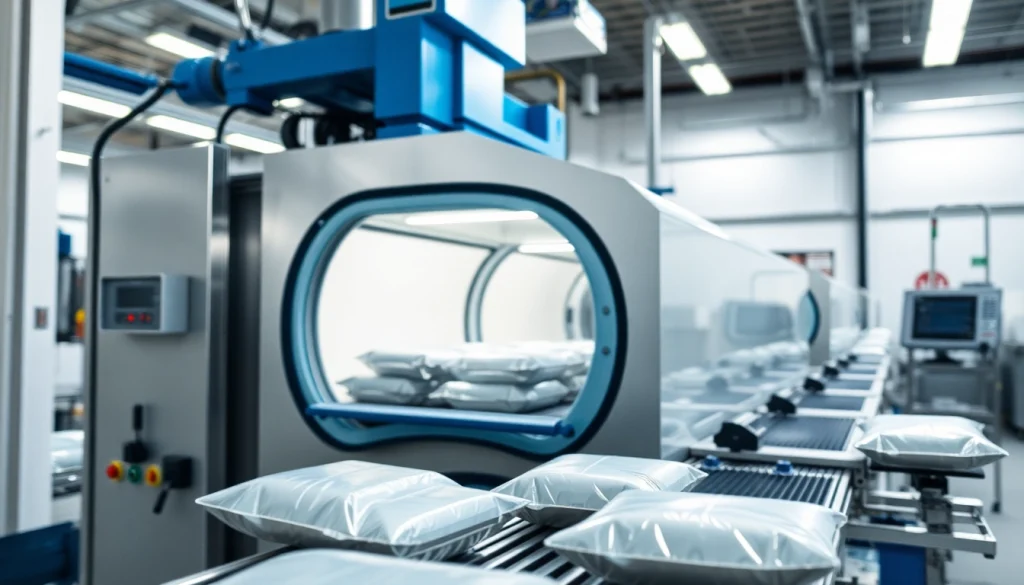
Understanding the Basics of Shrink Tunnel Technology
What is a Shrink Tunnel?
A shrink tunnel is a specialized piece of equipment used in the packaging process, especially for products requiring protective wrapping. This technology applies heat to shrinkable plastic film, conforming tightly around the wrapped products. It serves various industries, including food and beverage, pharmaceuticals, and consumer goods, enhancing the sturdiness and presentation of packaged products.
How Shrink Tunnels Work
Shrink tunnels operate through a simple yet effective process. Products are fed into the tunnel, where they pass through a heated chamber. The heat causes the shrink film to contract, adhering snugly around the item. The controlled temperature within the tunnel is essential, as it ensures the film shrinks evenly without causing damage to the product. Shrink tunnel technology can be adjusted for variable speeds and temperature settings, making it adaptable for various product shapes and sizes.
Applications of Shrink Tunnels Across Industries
Shrink tunnels are widely utilized across multiple sectors for packaging solutions. In the food industry, they protect perishable items and extend shelf life by creating airtight seals. In pharmaceuticals, shrink wrapping provides tamper evidence and secures products, enhancing safety. Consumer goods, such as toys and electronics, also benefit from shrink tunnels, where the technology helps maintain product integrity while showcasing branding effectively.
Benefits of Using a Shrink Tunnel
Increased Packaging Efficiency
One of the primary advantages of employing a shrink tunnel is the boost in packaging efficiency. By automating the wrapping process, businesses reduce the labor involved and accelerate production times. Products can be wrapped uniformly, minimizing the risk of human error and ensuring a consistent standard across the production line.
Cost-Effectiveness and Resource Management
Incorporating a shrink tunnel can lead to significant cost savings in the long term. By optimizing material usage through precise film application and reducing labor needs, companies can manage resources more effectively. The durability of shrink-wrapped products also decreases the likelihood of returns due to damage during transportation.
Improved Product Protection
Shrink tunnels enhance product protection by providing a barrier against moisture, dust, and contaminants. This is particularly crucial for products sensitive to environmental factors. The tight seal created during the shrinking process prevents external elements from affecting the quality of goods, ensuring that they arrive to consumers in optimal condition.
Installation and Maintenance of Shrink Tunnels
Choosing the Right Shrink Tunnel
Selecting the appropriate shrink tunnel is vital to ensure compatibility with your products and production line. Factors to consider include the size of the items being wrapped, the type of shrink film to be used, and the required output capacity. It is essential to assess operational needs and future scalability while making this choice.
Essential Installation Steps
Proper installation of a shrink tunnel involves several key steps. Start by following the manufacturer’s guidelines, including site preparation and positioning of equipment. Ensure electrical and pneumatic systems are correctly set up for optimal performance. Testing various configurations can help identify the best settings for the specific product types your business handles.
Routine Maintenance Tips
Maintaining a shrink tunnel is crucial for prolonging its lifespan and ensuring reliable operation. Regular checks of the heating elements, replacement of worn parts, and cleaning the tunnel can prevent malfunctions. Moreover, setting a routine maintenance schedule can help detect potential issues before they lead to significant downtime.
Performance Metrics to Consider
Measuring Efficiency and Output
To assess the performance of a shrink tunnel, businesses should analyze key efficiency metrics such as output speeds and turnaround times. Monitoring these metrics allows for adjustments to be made to optimize production capabilities. Additionally, comparing performance data over time can uncover trends and opportunities for improvement.
Quality Control Standards
Establishing quality control standards is essential to ensure packaged items meet safety and regulatory requirements. Regular inspections of shrink-wrapped products can help detect inconsistencies in sealing and labeling. Setting defined acceptance criteria can streamline this process, ensuring compliance and enhancing customer satisfaction.
Adjusting Settings for Optimal Performance
Fine-tuning the machine settings of a shrink tunnel can lead to enhanced performance. Factors such as convection and conduction heat distribution should be examined to achieve the desired shrink characteristics. Regularly reviewing and adjusting settings in response to production variability is crucial for maintaining product quality and operational efficiency.
FAQs about Shrink Tunnels
What types of products can be wrapped using a shrink tunnel?
Shrink tunnels can wrap a wide range of products, including food items, beverages, electronics, and pharmaceuticals. Essentially, any product that can benefit from a protective film can be wrapped using this technology.
How does a shrink tunnel impact packaging speed?
Shrink tunnels significantly increase packaging speed by automating the wrapping process. This allows for higher output compared to manual methods, enabling businesses to meet demand efficiently.
What maintenance is necessary for a shrink tunnel?
Regular maintenance includes cleaning heating elements, inspecting and replacing worn parts, and conducting routine performance checks. This ensures smooth operation and prolongs the lifespan of the machine.
Can shrink tunnels be used for different shrink films?
Yes, shrink tunnels are versatile and can accommodate various types of shrink films, including PVC, PE, and POF. Choosing the right film type is important based on the specific products and application needs.
What factors influence the efficiency of a shrink tunnel?
Efficiency can be affected by machine settings, the type of shrink film used, product dimensions, and operator training. Regular monitoring and adjustments help maintain optimal performance.