
Introduction to Bridge Cranes
The industrial landscape is constantly evolving, and with it, the demand for effective material handling solutions grows. Among the most prominent solutions available today is the bridge crane, a vital piece of equipment that enhances operational efficiency by facilitating the movement of heavy loads across a production floor. Understanding the intricacies of bridge cranes not only helps businesses select the right model but also ensures safety and compliance with industrial standards. In this article, we delve into the world of bridge cranes, exploring their components, benefits, and future trends that promise to redefine material handling in various industries.
What is a Bridge Crane?
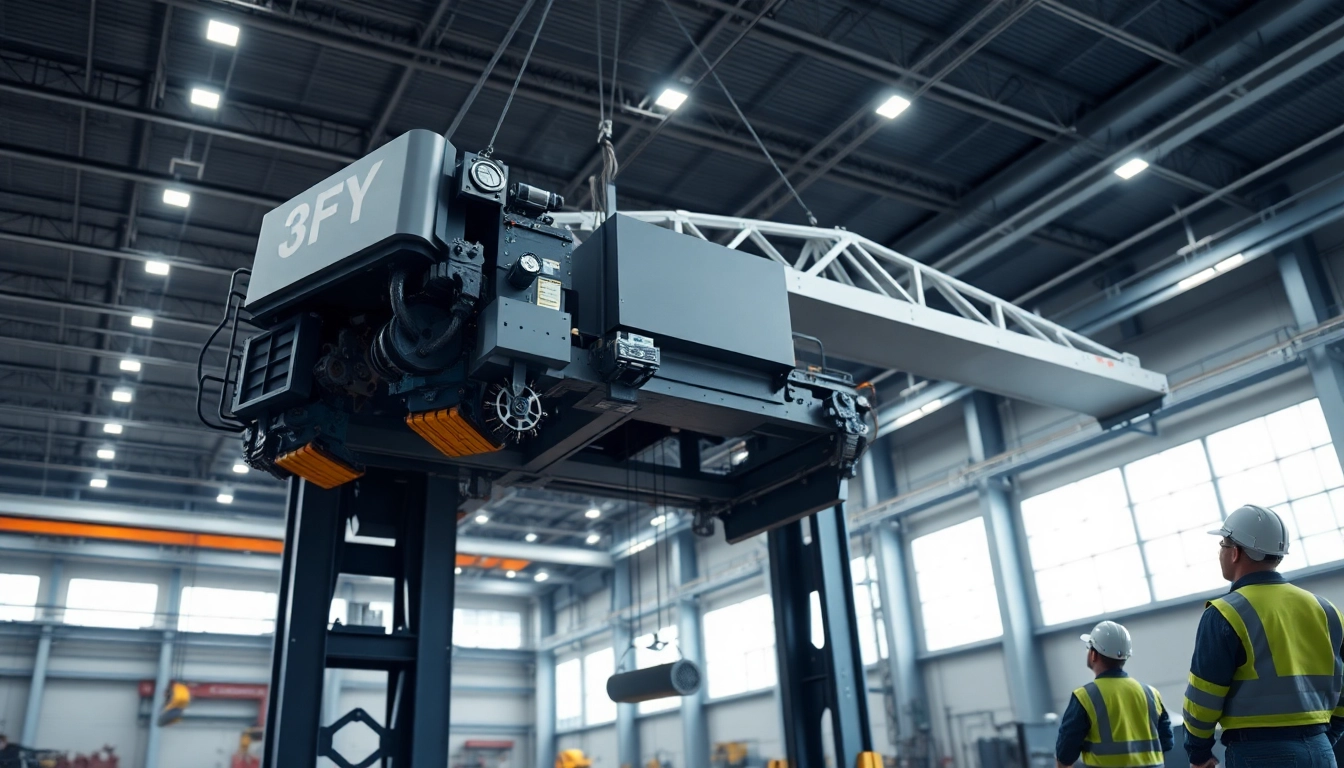
A bridge crane, often referred to as an overhead crane, consists of a horizontal beam, known as a bridge, that spans between two end trucks mounted on fixed rails. The bridge can move along the rails, allowing for the lifting and transportation of materials across a workspace. These cranes are essential in environments such as warehouses, manufacturing facilities, and shipping docks where heavy lifting and precise movements are required. Their design enables them to enhance productivity significantly, making them a preferred choice for many industrial applications.
Key Components of Bridge Cranes
Bridge cranes are composed of several critical components that work together to provide efficient lifting operations. Understanding these components helps users appreciate their functionality and maintenance needs:
- Bridge: The primary structure that carries the hoist mechanism across the workspace.
- End Trucks: These are mounted on either side of the bridge and allow for lateral movement along the rails.
- Hoist: The device responsible for lifting and lowering loads, often equipped with various lifting mechanisms.
- Runways: Steel tracks on which the end trucks move, providing the necessary structural support and guidance.
- Control System: This can be manual or automated, enabling operators to manage the crane’s functions safely and efficiently.
Comparing Bridge Cranes to Other Lifting Solutions
Bridge cranes are often compared to other lifting systems, such as jib cranes and gantry cranes. While jib cranes allow for lifting at a fixed radius, bridge cranes offer a wider operational range as they span the entire workspace. Gantry cranes, on the other hand, utilize a similar structure but are mobile, offering flexibility for outdoor applications. Each type of crane has its advantages, but the bridge crane stands out in its ability to provide precise control and stability for heavy loads.
Benefits of Using Bridge Cranes
Increased Efficiency in Material Handling
One of the most significant advantages of bridge cranes is their ability to streamline material handling processes. By allowing for the movement of heavy loads across large areas without the need for manual handling, they reduce worker fatigue and increase productivity. This efficiency is particularly evident in assembly lines, shipping docks, and manufacturing operations that require quick turnaround times.
Cost-Effectiveness Over Time
Investing in a bridge crane can lead to significant long-term cost savings. Although the initial purchase price may be higher than other lifting solutions, the durability and reliability of bridge cranes translate to lower maintenance costs and reduced downtime. Furthermore, their efficiency in moving materials can lead to increased output, ultimately resulting in better profitability for businesses.
Safety Considerations and Compliance Standards
Safety is paramount in any industrial environment. Bridge cranes are designed with numerous safety features, including load limit switches, emergency stop buttons, and safety brakes. Additionally, compliance with safety standards such as OSHA and ANSI ensures that these cranes operate within regulated parameters, minimizing the risk of accidents. Regular inspections and training for operators further enhance workplace safety.
Types of Bridge Cranes Available
Single Girder vs. Double Girder Bridge Cranes
Bridge cranes come in various configurations, with single girder and double girder as the most common types. Single girder cranes are lightweight and ideal for smaller spaces, while double girder cranes are more robust, capable of handling heavier loads. The choice between the two depends on the specific operational needs, ceiling height, and load requirements of the facility.
Custom vs. Standard Bridge Crane Designs
While standard bridge crane models serve many industrial applications effectively, custom designs are increasingly popular. Custom cranes can be tailored to meet specific lifting capacities, dimensions, and operational needs, ensuring compatibility with unique workflows. Businesses often find that investing in a custom solution enhances efficiency and optimizes space utilization.
Electric vs. Manual Bridge Crane Systems
Bridge cranes can be operated either electrically or manually. Electric systems offer the advantage of precision and reduced labor effort, making them suitable for high-volume operations. Manual cranes, while easier to install and maintain, may require more physical effort from operators. The choice between these systems typically hinges on the scale and nature of the workload involved.
Installation and Maintenance of Bridge Cranes
Steps for Proper Installation
The installation of a bridge crane requires careful planning and execution. Key steps include:
- Assessing the workspace: Understanding ceiling height, load capacities, and spatial constraints is crucial.
- Selecting the right crane design: Based on the operational requirements discussed earlier.
- Installing runways: Ensuring they are level and secure for optimal crane movement.
- Assembling the bridge and hoist: Following manufacturer guidelines to maintain safety standards.
- Conducting safety tests: Before operation, thorough testing is necessary to ensure functional integrity.
Routine Maintenance Practices
To ensure longevity and optimal performance, regular maintenance of bridge cranes is essential. Routine inspections should include checking the hoist mechanism, electrical components, and physical structure for wear and tear. Lubricating moving parts and replacing any worn components proactively can prevent costly breakdowns and enhance efficiency.
Common Issues and Troubleshooting
Despite their robust design, bridge cranes may encounter issues over time. Common problems include:
- Unresponsive controls: Often caused by electrical or connectivity issues.
- Strain on hoists: Indicating potential overloads or mechanical failures.
- Misalignment on runways: Resulting from improper installation or structural changes.
Identifying these issues early can mitigate downtime and repair costs, underscoring the importance of consistent monitoring.
Future Trends in Bridge Crane Technology
Automation and Smart Technology Integration
The future of bridge cranes is poised to embrace automation and smart technology, driving unprecedented efficiency. Predictive maintenance, powered by IoT devices, can alert operators to potential failures before they occur, minimizing downtime. Additionally, automated controls enable precise load handling, reducing the need for manual intervention and enhancing workplace safety.
Environmental Considerations for Sustainable Solutions
As industries shift toward sustainability, bridge crane manufacturers are exploring eco-friendly designs and practices. This includes utilizing lightweight materials, energy-efficient motors, and recycling components. Future models may incorporate renewable energy sources, further reducing their environmental impact and operating costs.
Predictions for the Industry in 2025
By 2025, the bridge crane industry is expected to evolve significantly, focusing on integration with broader automation systems within manufacturing environments. Enhanced connectivity and real-time data analytics will likely become standard, allowing businesses to make informed decisions on operations and maintenance. As industries adapt to changing market demands, bridge cranes will serve as pivotal tools in maintaining competitive advantage.