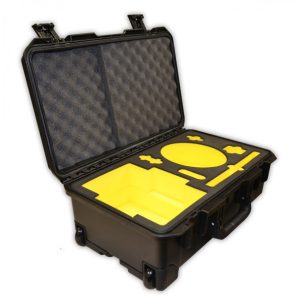
Understanding the Power Station
What is a Power Station?
A power station is a facility that generates electrical energy for public utilization. These facilities transform various forms of energy into electricity, making necessary connections for distribution to homes and businesses. Power stations can vary in size and type, from massive plants harnessing coal or nuclear fission to smaller setups utilizing renewable energy sources like wind or solar. A power station guarantees that the energy needs of a community or industrial operation are met, highlighting its significance in today’s energy landscape.
Different Types of Power Stations
Power stations are predominantly categorized based on the energy sources that they employ. Here are the main types:
- Thermal Power Stations: These plants utilize fossil fuels such as coal, natural gas, or oil to produce steam that drives turbines, generating electricity.
- Nuclear Power Stations: These facilities harness the energy from nuclear fission reactions to produce steam, which in turn drives turbines.
- Hydroelectric Power Stations: These rely on flowing water to rotate turbines, converting kinetic energy into electrical energy.
- Wind Power Stations: Turbines driven by wind convert wind energy into electricity.
- Solar Power Stations: These utilize photovoltaic cells to convert sunlight directly into electricity, or mirror-based systems to focus solar energy and drive turbines.
How Power Stations Work
The operational mechanics of a power station involves several steps, which may vary depending on the type:
- Energy Conversion: In thermal plants, fuel is burned to produce heat; in nuclear plants, nuclear reactions yield heat.
- Water Heating: The heat produced converts water into steam.
- Turbine Activation: The high-pressure steam drives a turbine that turns a generator to produce electricity.
- Energy Distribution: The generated electricity is then transformed to a suitable voltage and transmitted through power lines to consumers.
Benefits of a Portable Power Station
Convenience for Outdoor Activities
A portable power station becomes an essential companion for outdoor enthusiasts. Whether camping, hiking, or tailgating, these units provide reliable electricity for charging devices, keeping food fresh, and powering equipment. Their lightweight, compact design makes them easy to transport, allowing users to enjoy modern comforts in remote locations.
Emergency Power Solutions
When natural disasters strike or when the grid goes down, a portable power station can be a lifesaver. These units offer a reliable backup power source for essential devices, from medical equipment to lights, ensuring safety and comfort during unexpected outages. Their independence from fuel sources also means they are ready to use with minimal preparation.
Reducing Your Carbon Footprint
Utilizing a portable power station can significantly contribute to a decrease in your carbon footprint. Many modern units leverage renewable energy resources, such as solar panels, allowing for clean, sustainable energy generation. This shift reduces dependency on fossil fuels and promotes a greener lifestyle.
Choosing the Right Power Station for Your Needs
Power Capacity Considerations
When selecting a power station, understanding power capacity is crucial. Calculate your typical energy consumption to determine how much wattage you need. Most portable power stations will list their wattage output alongside run times for different devices. It’s essential to select a unit that can manage your most power-hungry devices efficiently.
Features to Look For
Different power stations come with various features that may enhance user experience:
- Battery Type: Lithium-ion batteries typically offer longer life cycles and faster charging compared to lead-acid.
- Number of Ports: Look for a unit that provides both AC and DC outputs, USB ports, and charging options for versatility.
- Weight and Portability: If you intend to travel with your power station, consider its weight and how easily it can be moved or carried.
- Build Quality: A rugged design with weather resistance can greatly improve reliability in outdoor settings.
Budgeting for a Power Station
Pricing for power stations can range significantly based on features and capacity. Establish a clear budget that aligns with your needs. Investing in a high-quality power station may initially cost more but can save you on replacements and repairs in the long run. Always consider the warranty and the reputation of the manufacturer.
Using Your Power Station Effectively
Proper Set-Up Procedures
Proper setup is critical to ensure that your power station works effectively. First, place it on a stable surface away from moisture. Ensure that all devices you intend to use are compatible with the power station’s voltage and amperage. Following the manufacturer’s guidelines for setup is essential to avoid mishaps.
Maintenance Tips for Longevity
To maximize the lifespan of your power station, adhere to the following maintenance tips:
- Regular Charging: Avoid deep discharges; recharge the unit periodically to maintain battery health.
- Cleanliness: Keep the unit free from dust and dirt, especially around the ports and cooling vents.
- Temperature Management: Store and use your power station in environments recommended by the manufacturer to avoid overheating or damage.
Maximizing Battery Life
To enhance battery longevity, consider implementing these strategies:
- Partial Discharges: Regularly using only part of battery capacity can reduce wear.
- Charge Cycles: Monitor the number of charge and discharge cycles, as higher cycles can affect battery life.
- Optimization: Use energy-efficient appliances with your power station to minimize consumption and prolong battery use.
FAQ: Common Questions About Power Stations
How long does a power station last?
The lifespan of a power station is typically determined by battery type and usage patterns. With correct maintenance, lithium-ion batteries can last several years, requiring occasional replacement.
Can a power station run a refrigerator?
Yes, but it depends on the power station’s capacity and the refrigerator’s power requirements. Ensure that the power station can supply sufficient wattage for your appliance.
Is it safe to use indoors?
Most portable power stations are safe for indoor use as they do not emit harmful fumes. However, ensure proper ventilation if using units with gas or combustion engines.
How do I recharge my power station?
Most portable power stations can be recharged using an AC outlet, car charging port, or via solar panels, depending on the model. Always follow the manufacturer’s instructions.
What accessories should I consider?
When using a power station, consider accessories like solar charging kits, extension cords, protective cases, or device-specific adapters for better functionality.