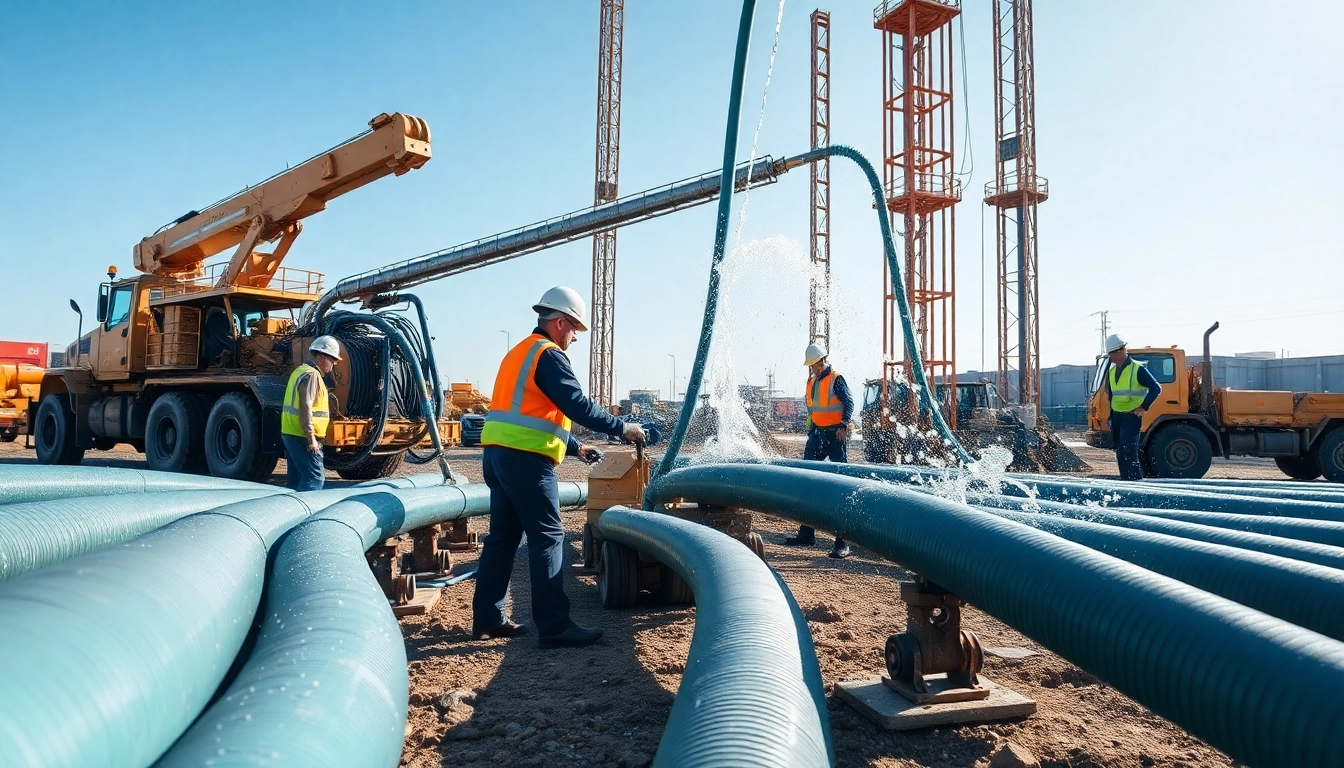
Understanding Industrial Water Transfer Services
As industries continue to evolve, the demand for efficient and safe industrial water transfer services has risen significantly. These services play a critical role in various sectors, including construction, mining, oil and gas exploration, and agricultural processes. Understanding the mechanics and methodologies behind industrial water transfer is essential for companies seeking to optimize their operations while adhering to regulations and safety standards.
The Role of Water Transfer in Heavy Industries
Water serves as a vital resource in heavy industries. In many operations, water is required for cooling machinery, transporting materials, and even facilitating chemical processes. The role of water transfer is pivotal as it ensures a consistent supply where and when it is needed. Without effective water transfer systems, industries may face operational inefficiencies and increased costs, leading to delays and reduced productivity.
Key Components of Water Transfer Equipment
The equipment used for water transfer is specialized and designed for durability and efficiency. Key components include:
- Pumps: High-capacity pumps are essential for moving large volumes of water quickly and efficiently.
- Pipelines: Reliable pipelines need to withstand pressure and corrosion while ensuring minimal water loss.
- Storage Tanks: These containers are critical for temporary water storage and must be designed to prevent contamination.
- Filtration Systems: Ensuring the water quality is crucial; hence, filtration systems are implemented to remove impurities.
Understanding these components allows organizations to make informed decisions regarding their water transfer operations and equipment investments.
Common Applications of Water Transfer Services
Various industries leverage water transfer services for a multitude of applications:
- Construction: Water is often used for dust suppression, material mixing, and hydration of concrete.
- Mining: Water facilitates mineral extraction and transportation while also being used in processes that require cooling.
- Oil and Gas: Water is crucial during drilling operations and for enhancing oil recovery processes.
- Agriculture: Irrigation systems depend heavily on proficient water transfer to optimize crop yields.
By recognizing these applications, organizations can better strategize their water use and ensure that they are getting the most from their industrial water transfer services.
Best Practices for Effective Water Transfer Operations
To maximize the effectiveness of water transfer services, industries must adopt best practices that enhance performance, safety, and efficiency.
Planning and Scheduling for Optimal Performance
Effective water transfer services require meticulous planning and scheduling. In industries where timing is crucial, synchronizing water supply with operational demands minimizes downtime and resource waste. This includes:
- Assessing water demand based on project needs and timing.
- Inventory management of water resources to prevent shortages or overuse.
- Implementing a proactive maintenance schedule to ensure equipment readiness and minimize unexpected outages.
Safety Protocols to Implement
Safety should never be compromised in water transfer operations. Establishing robust safety protocols includes:
- Regular safety audits and equipment checks.
- Providing personal protective equipment (PPE) to all personnel involved in water transfer.
- Implementing spill response plans to mitigate environmental impacts in case of accidents.
Training and Skill Development for Personnel
A well-trained workforce is essential for ensuring smooth water transfer operations. Effective training programs should focus on:
- Operating transfer equipment safely and efficiently.
- Recognizing and responding to emergency situations effectively.
- Understanding relevant regulations and compliance measures to avoid legal ramifications.
Challenges in Industrial Water Transfer Services
While the importance of industrial water transfer services is clear, several challenges can impact their efficiency and effectiveness.
Identifying Common Operational Obstacles
Common operational challenges can arise due to:
- Infrastructure Limitations: Inadequate or outdated equipment can hinder water transfer efficiency.
- Regulatory Compliance: Adhering to environmental and safety regulations can limit operational capabilities.
- Weather Conditions: Adverse weather can affect water supply and transfer operations.
Mitigating Environmental Risks during Water Transfer
Transferring water presents potential environmental risks such as contamination and habitat disruption. Strategies for mitigating these risks include:
- Conducting environmental impact assessments prior to project initiation.
- Implementing advanced spill management systems to address leaks or spills swiftly.
- Utilizing eco-friendly materials in water storage and transfer systems.
Maintaining Equipment Longevity and Efficiency
The durability of water transfer equipment is a concern. Regular maintenance protocols that ensure equipment longevity include:
- Scheduled inspection and servicing of pumps and pipelines.
- Using high-quality materials that withstand environmental conditions.
- Staff training on basic troubleshooting to prevent minor issues from escalating.
Innovations in Water Transfer Technology
As with many industries, technology continues to advance, presenting new opportunities in water transfer services.
Emerging Technologies Enhancing Water Transfer
Technological innovations that enhance water transfer include:
- Smart Water Management Systems: Utilizing sensors and IoT technology for real-time monitoring and automated control of water transfer processes.
- Advanced Filtration Techniques: The development of effective filtration solutions that ensure water quality while minimizing waste.
- Pipeline Monitoring Technologies: Implementing drones and smart sensors for pipeline integrity checks to prevent leaks and optimize maintenance.
Evaluating Cost-Effectiveness of New Solutions
When adopting new technologies, organizations must evaluate the cost-effectiveness of these solutions. Key considerations should include:
- Life cycle cost analysis to determine long-term savings.
- Return on investment (ROI) from improved efficiencies and reduced risks.
- Compatibility with existing systems to minimize integration costs.
Integrating Automation into Water Transfer Services
Automating aspects of water transfer can significantly improve operational efficiency. Potential benefits include:
- Reduced labor costs by minimizing manual oversight.
- Enhanced accuracy in monitoring water levels and flow rates.
- Real-time data analytics for better decision-making and forecasting.
Measuring Success in Water Transfer Projects
Success in water transfer services can be quantified through several metrics and strategies aimed at continuous improvement.
Establishing Key Performance Indicators (KPIs)
To ensure effective measurement of performance, industries should establish specific KPIs, such as:
- Water transfer efficiency: measured as the ratio of water successfully transferred to the total amount of water needed for operations.
- Response time to emergencies: gauged by time taken to address leaks or equipment failures.
- Compliance rates: the frequency of meeting safety and environmental regulations.
Case Studies Demonstrating Effective Service Delivery
Real-world case studies can illustrate successful implementations of water transfer services. These examples provide invaluable insights into best practices and methodologies. Examples may include:
- Successful completion of a construction project utilizing advanced water transfer technologies, highlighting efficiency gains and cost savings.
- Case study of a mining operation that improved water management practices, reducing environmental impact.
- A comparative analysis of traditional vs. automated water transfer methods showcasing enhanced operational performance.
Continuous Improvement Strategies for Water Transfer Services
Fostering a culture of continuous improvement is essential for enhancing water transfer services. Strategies include:
- Implementing feedback loops to gather input from personnel working on the ground.
- Regularly reviewing performance against established KPIs and adjusting strategies as necessary.
- Investing in ongoing training programs to keep staff updated on new technologies and best practices.