
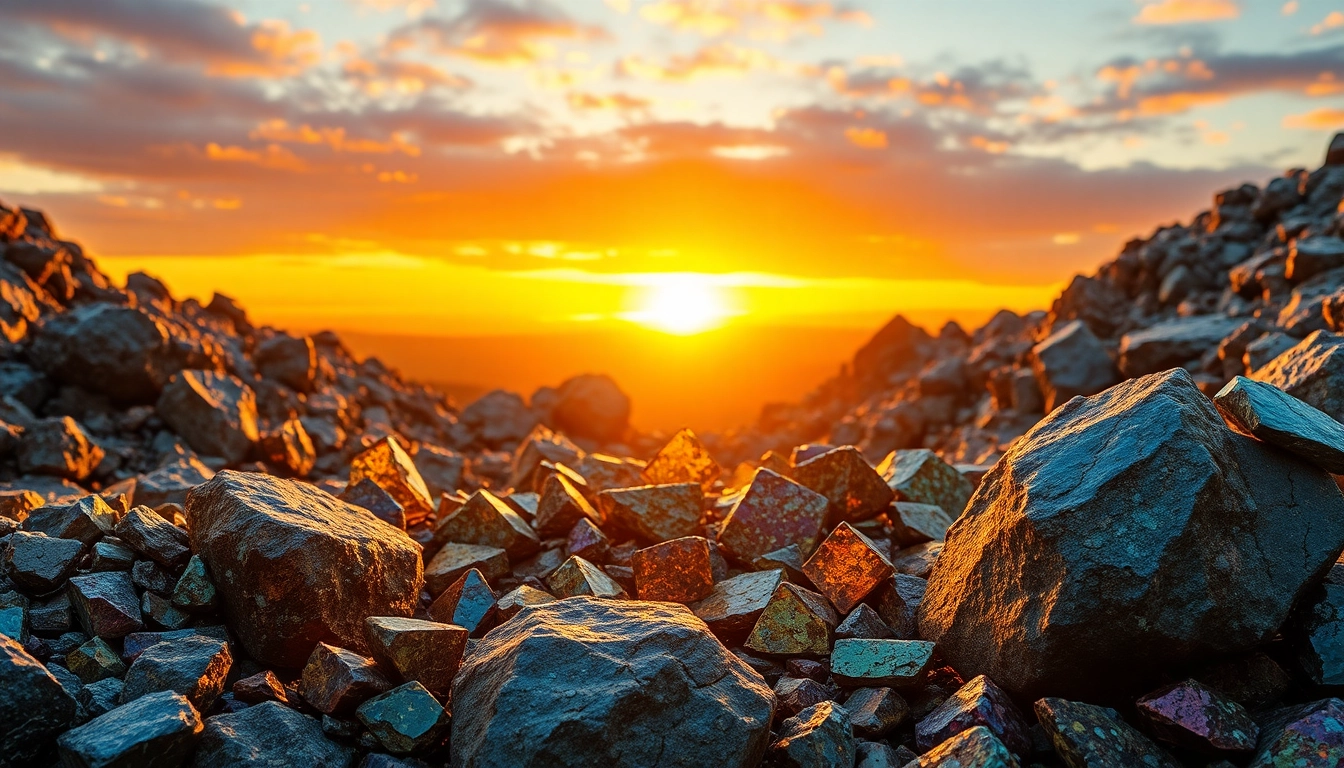
Introduction to Ore
Ore is a term used to describe a naturally occurring rock or sediment that contains valuable minerals in concentrations that can be profitably mined. Understanding the significance of Ore is crucial for industries ranging from metallurgy to energy production. This article delves into the various aspects of ore, covering its types, extraction methods, processing techniques, and economic implications.
What is Ore?
Ore is defined as a naturally occurring geological material from which a valuable constituent, typically metal, can be extracted at a profit. The key characteristic of ore is its concentration; specific minerals must be present in higher quantities than in typical rock formations, making their extraction economically viable. Common examples of ores include hematite, an iron ore, and bauxite, which is the principal ore of aluminum.
The Role of Ore in Industry
Ores play a pivotal role in numerous industrial sectors. They serve as the foundational materials for the production of metals and minerals critical to manufacturing, construction, and technology. For example, copper ore is essential for electrical wiring, while iron ore is a primary ingredient in steel production. The whole industry depends heavily on the continuous supply of these resources to meet global demand.
Importance of Ore in Nature
Beyond industrial applications, ores contribute significantly to natural ecosystems. They help in the formation of soil and are integral in geological processes that shape our planet. Minerals derived from ores also play a role in biological systems, being crucial for various life forms. The interaction between geological, biological, and economic systems surrounding ore demonstrates its multifaceted importance.
Types of Ore
Metallic and Non-Metallic Ores
Ores are classified into metallic and non-metallic types. Metallic ores contain valuable metals such as gold, silver, and copper. Non-metallic ores may contain industrial minerals used in construction and manufacturing, such as limestone for cement or gypsum for plaster. Each type has specific properties and uses, catering to diverse industries.
Common Examples of Ores
Some common examples of ores include:
- Iron Ore: Hematite and magnetite are popular iron ores used in steel-making.
- Bauxite: The primary source of aluminum, processed to obtain aluminum oxide.
- Copper Ore: Chalcopyrite is a significant copper ore used in electronic applications.
- Silver Ore: Argentite is an important ore used for producing silver.
- Lead Ore: Galena is the primary ore used to extract lead.
Distinct Characteristics of Various Ores
Each ore has unique characteristics that influence its extraction and processing. For instance, the grade of an ore refers to the concentration of the mineral within it, whereas its physical properties—like hardness and density—determine the methods utilized for extraction and processing. Additionally, the geographic distribution of ores impacts mining operations and related economics.
Extraction and Processing Techniques
Mining Methods for Ore
The extraction of ore is accomplished through various mining methods, which primarily fall into two categories: surface mining and underground mining. Surface mining involves removing soil and rock to access ore deposits, suitable for near-surface ores. Common techniques include open-pit mining and strip mining. Conversely, underground mining involves creating tunnels and shafts to reach deeper ore deposits, often utilized for high-grade ores located below the surface.
Processing Techniques for Ore Efficiency
Once extracted, ores undergo processing to separate valuable minerals from waste materials. Techniques vary depending on the ore type and may include crushing and grinding, flotation, magnetic separation, and leaching. The goal is to increase ore purity and yield valuable minerals. Innovations in processing technology have enhanced efficiency and reduced environmental impacts.
Environmental Considerations in Ore Extraction
The extraction and processing of ore have significant environmental impacts, including habitat destruction, pollution, and resource depletion. Sustainable practices, such as reducing water usage and improving waste management, are essential for minimizing these impacts. Mining companies are increasingly adopting technologies that enable them to operate more sustainably while maintaining profitability.
Economic Impact of Ore
Market Value of Different Ores
The market value of ores fluctuates based on supply and demand, which is influenced by economic conditions, technological advancements, and geopolitical factors. Certain ores, like gold and platinum, often retain high value due to their rarity and demand in various industries, including electronics and jewelry. Tracking market trends is crucial for stakeholders in the mining and metallurgy sectors.
Ore Supply and Demand Dynamics
The dynamics of ore supply and demand are complex and multifaceted. Factors such as global economic growth, advances in technology, and regulatory changes can impact demand. Conversely, the availability of economically viable ore deposits is subjected to exploration, extraction challenges, and political stability in mining regions. Understanding these trends allows for better strategic planning in mining operations.
Future Trends in Ore Economics
The future of ore economics is poised to face challenges and opportunities alike. As renewable energy technologies gain traction, the demand for specific ores, such as lithium and cobalt for batteries, is expected to rise. Additionally, advances in recycling and substitution can shift usage patterns. Predicting these trends will be critical for businesses involved in mining and materials production.
Frequently Asked Questions
What are the most valuable ores?
The most valuable ores typically include gold, platinum, palladium, and rare earth elements, valued for their applications in technology and industry.
How is ore processed?
Ore processing involves extracting valuable minerals from the ore through crushing, grinding, and separating techniques such as flotation or leaching.
What is the environmental impact of ore mining?
Ore mining can lead to habitat destruction, soil erosion, and pollution of air and water. Sustainable practices are vital for mitigating these impacts.
What are the main uses of ore?
Ores are primarily used for extracting metals for construction, manufacturing, electronics, and energy production, influencing various sectors.
How do ore prices fluctuate?
Ore prices fluctuate due to changes in supply and demand, economic conditions, technological advancements, and geopolitical stability affecting mining regions.