Understanding Automatic Cat Feeders
What is an Automatic Cat Feeder?
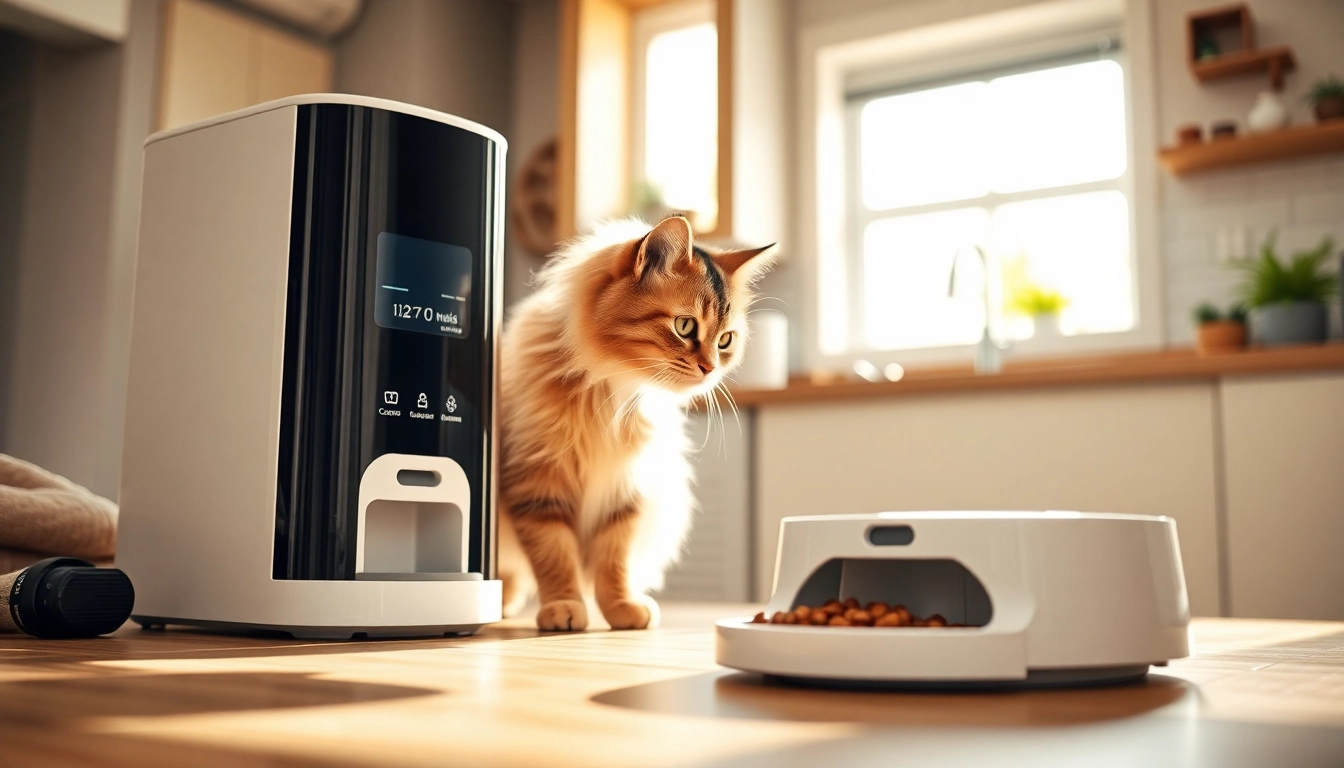
An automatic cat feeder is a device designed to dispense food for your cat at scheduled times or in preset portions. These feeders serve as a convenient solution for cat owners who may have busy lifestyles or irregular schedules, ensuring that your feline friends receive their meals on time. By allowing for portion control and scheduling, automatic feeders can help maintain your cat’s health by preventing overfeeding and ensuring consistent feeding times.
Available in various models, ranging from basic timers to advanced smart feeders equipped with cameras and smartphone apps, an automatic cat feeder can significantly ease the chores associated with pet care. Understanding your options will help you choose the best model for your needs and your cat’s preferences.
Benefits of Using Automatic Feeders
The advantages of using automatic cat feeders extend beyond convenience. Here are several key benefits:
- Consistent Meal Times: Cats thrive on routine, and automatic feeders can help establish regular feeding schedules.
- Portion Control: Many models allow you to customize the amount of food dispensed, which can prevent obesity and ensure your cat is not overeating.
- Convenience: These feeders are particularly handy for busy pet owners who may not always be home to feed their pets.
- Health Monitoring: Some smart feeders come with features that allow you to monitor your cat’s eating habits, providing insights into their health.
- Reduced Stress: If you travel or work long hours, an automatic feeder can ease your concerns about your cat’s feeding schedule.
How They Work: Mechanics of Automatic Cat Feeders
Automatic cat feeders typically operate using either a timer system or smart technology. The basic mechanics include:
- Storage Hopper: This holds the cat food, usually dry kibble, until it is dispensed.
- Dispensing Mechanism: This delivers pre-measured portions of food to the feeding bowl at scheduled times.
- Power Source: Most feeders operate on either batteries or electricity, with some models offering backup battery options to ensure proper functioning even during power outages.
- User Interface: Many feeders have a display and controls that allow owners to set schedules and portion sizes. Smart feeders may even connect to Wi-Fi and can be controlled via smartphone apps.
Choosing the Right Automatic Cat Feeder
Key Features to Look For
When selecting an automatic cat feeder, consider the following features to ensure you find the right fit for your pet and lifestyle:
- Capacity: Depending on your cat’s eating habits, choose a feeder with an appropriate food storage capacity.
- Scheduling Options: Look for models that allow you to set multiple meal times per day, accommodating your cat’s natural feeding instincts.
- Portion Control: Select a feeder with adjustable portion sizes for both dry and wet food, if applicable.
- User-Friendly Interface: Ensure that the controls are easy to navigate and set up.
- Cleaning Ease: Look for feeders that disassemble easily and have dishwasher-safe parts for hassle-free cleaning.
- Smart Features: If technology interests you, opt for a feeder with Wi-Fi connectivity, camera features, or feeding notifications.
Comparing Different Types of Automatic Feeders
Automatic feeders come in various types, each with unique features suited for different cat owners. The main categories include:
- Gravity Feeders: These simple feeders allow food to flow into the bowl by gravity. They are easy to use but don’t offer feeding schedules or portion control.
- Timed Feeders: Operate on a timer to dispense food at designated times. Typically cost-effective, they may not provide much flexibility in specifying portion sizes.
- Programmable Feeders: Offer advanced settings for meal numbers and portion sizes and may contain memory functions to retain settings during power outages.
- Smart Feeders: Feature connectivity to apps for remote controls, real-time updates, and monitoring of feeding patterns, appealing to tech-savvy pet owners.
Price Ranges and What to Expect
The price of automatic cat feeders varies widely based on their features, brand, and technology level:
- Basic Models: Typically priced between $20 and $50, these include gravity and simple timed feeders.
- Mid-range Models: Priced around $50 to $100, these usually offer programmable settings, portion control, and advanced features.
- High-end Models: These smart feeders range from $100 and above and come with sophisticated features such as cameras, app connectivity, and robust monitoring capabilities.
Setting Up Your Automatic Cat Feeder
Installation and Initial Configuration
Setting up an automatic cat feeder is a straightforward process, but ensuring proper installation is crucial for it to function correctly:
- Read the Manual: Every model will come with specific instructions for setup and configuration, which should be followed carefully.
- Choose the Right Location: Position the feeder in a quiet area, ensuring it’s easily accessible to your cat while minimizing disturbances.
- Fill with Food: Use the type of food your cat usually eats, following the recommended filling instructions of the feeder to avoid clogs.
- Set the Schedule: Configure the feeding schedule according to your cat’s needs, ensuring you allocate appropriate meal times and portion sizes.
- Test the Feeder: Before relying on it entirely, run a few test cycles to ensure that food is dispensed correctly and adjust settings as necessary.
Feeding Schedule Setup
Creating a feeding schedule is a critical step in maximizing the benefits of your automatic cat feeder:
- Frequency: Depending on your cat’s age and dietary needs, aim for two to four meals a day.
- Timing: Schedule meals at consistent times daily to establish a routine, which can aid in digestion and promote a healthy appetite.
- Observe Your Cat: After the initial schedule is set, monitor your cat’s behavior and adjust portions or timing as necessary based on their feedback.
Tips for Maintaining the Feeder
Regular maintenance of your automatic cat feeder will ensure its longevity and optimal performance:
- Cleansing Schedule: Clean the feeder at least once a week, ensuring all parts are free from food residue and buildup.
- Check Mechanisms: Inspect the dispensing mechanism and storage hopper regularly for any jams or clogs.
- Battery Checks: If your feeder operates on batteries, regularly check them to ensure the feeder functions correctly without interruption.
Common Concerns and Solutions
Can I Leave My Cat Alone with an Automatic Feeder?
While automatic feeders can be incredibly helpful, leaving your cat alone for extended periods is not advisable, even with an automatic feeder. Although these feeders can dispense food reliably, it’s still essential for someone to check in periodically to ensure everything is functioning correctly. Additionally, factors such as food spoilage, water availability, and dealing with unexpected issues (like a malfunctioning feeder) should be considered. A good rule of thumb is not to leave your cat alone for more than 24 hours without someone checking in on them.
Addressing Health Issues Related to Overfeeding
One common concern with automatic feeders is the risk of overfeeding. Here are some strategies to help mitigate this risk:
- Understand Portion Sizes: Familiarize yourself with your cat’s appropriate portion sizes based on their weight and activity level by consulting a veterinarian.
- Set Smart Limits: Use the portion control features of your feeder to limit the amount of food dispensed at each meal.
- Monitor Weight: Regularly check your cat’s weight and adjust feeding amounts as necessary to maintain a healthy body condition.
Troubleshooting Common Automatic Feeder Problems
Like any device, automatic feeders may encounter problems. Here are common issues and their solutions:
- Food Jams: If the food is not dispensing properly, check for clogs in the hopper or dispensing mechanism. Ensure that the food is suitable for your feeder’s specifications; some devices do not work well with very small or very large kibble.
- Power Issues: If the feeder isn’t powering on, check that the batteries are correctly installed or, if plugged in, that the outlet is functioning.
- Malfunctioning Timer: If the timer is not dispensing food at the scheduled times, attempt to reset it following the manual’s instructions.
Maximizing the Benefits of Your Automatic Cat Feeder
Integrating Feeders into Your Cat’s Routine
Integrating an automatic feeder into your cat’s daily routine can help reinforce a structured eating schedule while minimizing confusion:
- Pair it With Other Cat Care Routines: Align feeding times with other regular activities, such as playtime, grooming, or routine vet check-ups.
- Interactive Feeders: Some providers offer feeders with interactive elements, which can keep your cat engaged and provide mental stimulation.
- Consistency: Once your feeding schedule is set up, consistency is key. Cats are creatures of habit, so try to maintain stable schedules.
Understanding Your Cat’s Eating Habits
Understanding your cat’s eating habits can allow you to tailor the use of your automatic feeder optimally:
- Behavior Observation: Pay attention to your cat’s feeding behavior to identify preferences regarding portion sizes and frequency.
- Adjustment and Experimentation: Don’t hesitate to experiment with different settings to find the best fit for your feline’s preferences and health needs.
Alternatives and Add-Ons to Enhance Feeding
Beyond traditional automatic feeders, consider the following enhancements to your feeding process:
- Pet Cameras: Investing in a smart camera can help you monitor your cat while you’re away, providing peace of mind and insights into their eating habits.
- Water Dispensers: Pairing an automatic feeder with a smart water fountain ensures that your cat has easy access to fresh water, complementing the benefits of automated feeding.
- Health Monitoring Devices: Some devices can help track and manage your pet’s health metrics and provide feeding recommendations based on their activity levels.