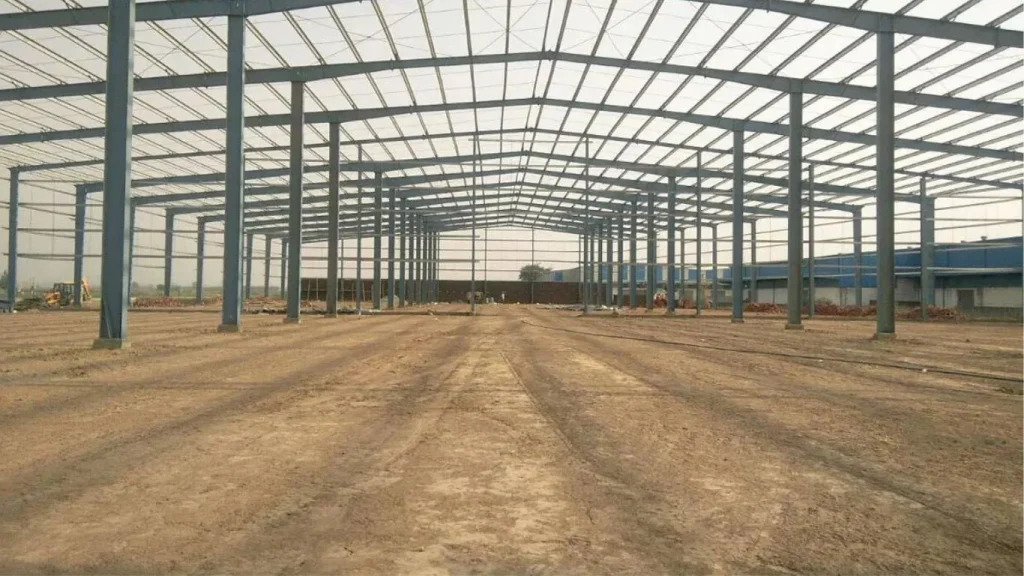
Understanding the Warehouse: Definition and Purpose
What is a Warehouse?
A warehouse is a large structure designed for the storage of goods. These buildings play a crucial role in various sectors including manufacturing, retail, and logistics. Warehouses are typically equipped to facilitate the movement, storage, and sometimes even assembly of products. Their size and configuration can widely vary depending on their intended use and the types of products stored. Generally located on the outskirts of urban areas, warehouses allow businesses to effectively manage their inventories and streamline their supply chain operations.
Key Functions of a Warehouse
The core functions of a warehouse extend beyond mere storage. Warehouses serve as vital links between manufacturers and consumers, providing a range of services such as:
- Receiving: Goods are received from suppliers, checked for quality, and logged into inventory systems.
- Storage: Products are stored in designated areas to maximize space and organization.
- Order Fulfillment: Orders from retailers or customers are picked, packed, and prepared for logistics.
- Shipping: Coordinating the transportation of goods to customers or retail locations.
- Inventory Management: Keeping track of stock levels, managing re-orders, and minimizing waste.
- Quality Control: Regular checks are conducted to ensure that products meet required standards before being dispatched.
The Role of Warehousing in Supply Chain Management
In essence, warehousing is a pivotal component of the supply chain, functioning as a crucial inventory buffer. It help businesses handle demand fluctuations by allowing them to stockpile goods during slower sales periods and meet consumer demand during peak seasons. This operational flexibility contributes significantly to overall efficiency by lowering transportation costs, optimizing delivery schedules, and improving customer satisfaction. The strategic placement of warehouses within a supply chain network can lead to quicker delivery times and cost savings, making efficient warehousing practices essential for success in competitive markets.
Types of Warehouses: Finding the Right Fit
Traditional Warehouses vs. Modern Solutions
Warehouses can be categorized into various types, each serving different needs.
- Traditional Warehouses: Typically large buildings designed for basic storage and distribution tasks. They usually lack advanced technology and processes.
- Modern Warehouses: Incorporate high-tech solutions like automated systems, robotics, and smart inventory management software, resulting in improved efficiency and productivity.
- Multi-User Warehouses: These facilities serve multiple customers, allowing businesses to share storage space and resources, leading to lower costs.
Specialized Warehousing: Cold Storage and More
Some warehouses are designed for specialized uses:
- Cold Storage Warehouses: These are essential for industries dealing with perishable goods, such as food and pharmaceuticals, where temperature control is critical.
- Hazardous Material Warehouses: Facilities designed to store dangerous goods must adhere to strict safety regulations to minimize risks associated with handling hazardous materials.
- Distribution Centers: Often used for rapid delivery of goods to retail locations, these centers focus on logistics and ensuring quick turnover.
Third-Party vs. In-House Warehousing
Businesses can choose between managing their own warehouse operations or utilizing third-party logistics (3PL) services. Each option has its own advantages:
- In-House Warehousing: Companies maintain hands-on control over operations, allowing for customization aligned with their specific supply chain needs.
- Third-Party Warehousing: Outsourcing to a 3PL can lead to cost savings by accessing advanced technology and expertise without committing to substantial capital investments.
Warehouse Design and Layout: Best Practices
Creating an Efficient Warehouse Layout
Warehouse design significantly impacts operational efficiency. A well-planned layout minimizes travel time for employees, reduces the likelihood of errors, and enhances productivity. Here are some design principles:
- Flow Design: Implementing a logical flow from receiving, storing, picking, to shipping can streamline operations and reduce congestion.
- Zoning: Designating specific zones for different types of products ensures easy access and effective space utilization.
- Vertical Storage: Making use of vertical space with tall shelving units can significantly increase storage capacity without expanding the facility’s footprint.
Signage and Navigation within the Warehouse
Effective signage is essential for smooth operations. It guides staff and visitors, reduces errors, and enhances safety. Key strategies include:
- Clear and visible signs indicating different zones (e.g., receiving, storage, picking).
- Color-coded labeling systems to enhance quick identification of products and areas.
- Floor markings to designate paths and safety zones.
Safety Considerations in Warehouse Design
Safety is paramount in warehouse design. Implementing these strategies can help mitigate risks:
- Regular Safety Training: Staff should be trained regularly on safety protocols and emergency procedures.
- Equipment Safety Checks: Regular maintenance and checks of forklifts and other machinery to ensure operational safety.
- Emergency Exits and Procedures: Clearly marked exits and well-communicated emergency procedures should be established.
Warehouse Technology: Streamlining Operations
Warehouse Management Systems (WMS)
Implementing a robust Warehouse Management System (WMS) can radically transform operations. A WMS helps manage inventory better and streamlines processes in the warehouse. Key features include:
- Inventory Tracking: Real-time visibility into stock levels and locations using barcodes or RFID technology.
- Order Management: Efficiently manage order processing, reduce errors, and enhance customer satisfaction.
- Labor Management: Optimize workforce allocation and improve productivity tracking.
Automation in Warehouses: Benefits and Limits
Automation is becoming increasingly common in warehousing operations. While automation can enhance efficiency, it also comes with limitations:
- Benefits: Improved accuracy in order fulfillment, reduced labor costs, and increased speed of operations.
- Limitations: High initial investment, ongoing maintenance costs, and the need for skilled technicians to oversee automated systems.
Data Analytics for Enhanced Decision-Making
Utilizing data analytics allows warehouse managers to make informed decisions. Collecting and analyzing data can provide insights into:
- Inventory turnover rates to identify slow-moving items.
- Labor productivity metrics to inform workforce management strategies.
- Cost analysis to identify areas for operational improvements.
Best Practices for Warehouse Operations
Strategies for Inventory Management
Effective inventory management is crucial. Here are strategies that can boost efficiency:
- Just-In-Time (JIT) Inventory: Reduces holding costs by receiving inventory only as needed.
- ABC Analysis: Classifying inventory items based on importance can help prioritize management focus.
- Cycle Counting: Regularly counting portions of inventory instead of doing full inventory counts minimizes disruption.
Training and Workforce Management
A well-trained workforce is essential for maintaining operational excellence. Training programs should include:
- Equipment operation for safety and efficiency.
- Inventory management software training to ensure smooth operations.
- Safety protocols to reduce accidents in the warehouse.
Measuring Warehouse Performance: Key Metrics
To improve operations continually, warehouses should track key performance indicators (KPIs) such as:
- Order Accuracy: Percentage of orders filled correctly.
- Inventory Turnover: How often inventory is sold and replaced over a period.
- Receiving and Shipping Accuracy: Percentage of items correctly scanned during different operations.