
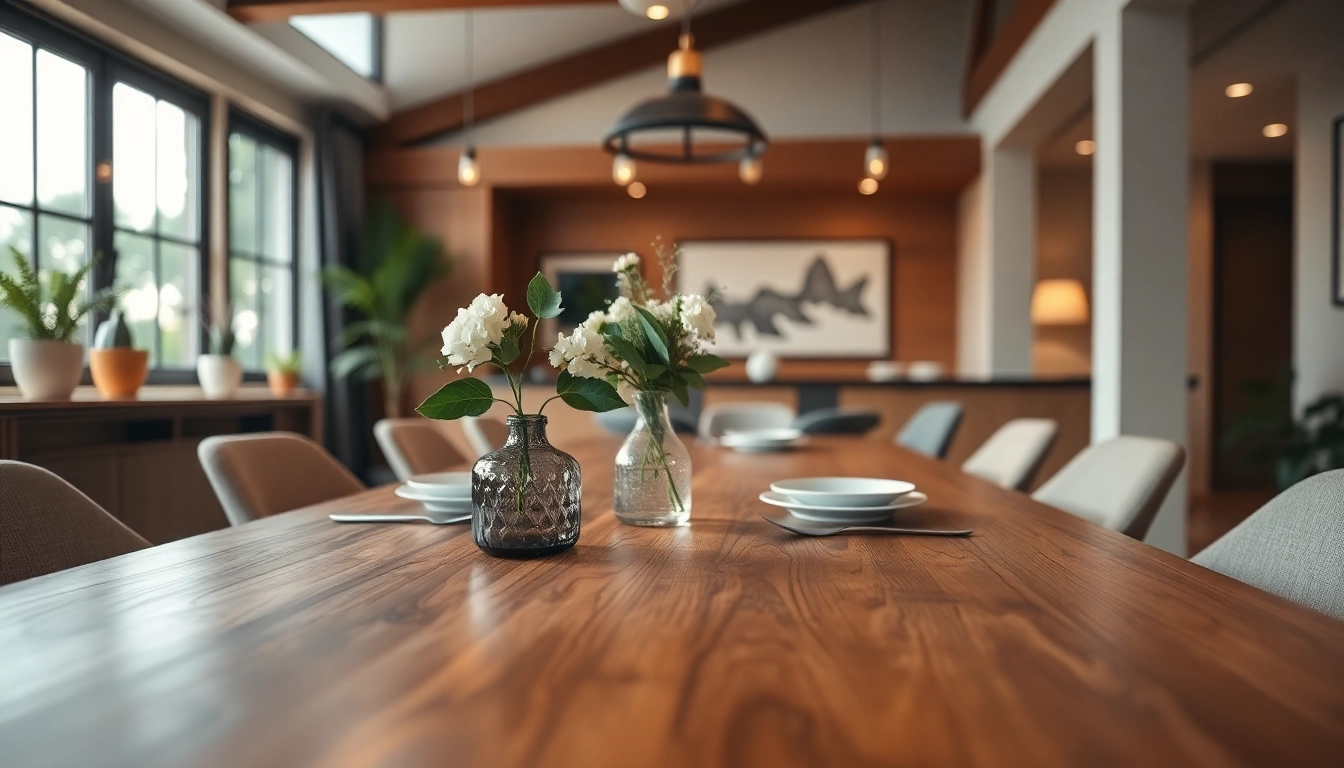
Understanding Different Types of Dining Tables
Shape Variations of Dining Tables
When it comes to Dining tables, shape is a fundamental aspect that can greatly influence both functionality and aesthetics. The main shapes available include round, square, rectangular, and oval tables. Each shape serves its own purpose and caters to different space configurations and styles.
Round tables often promote intimacy and conversation, making them ideal for smaller spaces or gatherings. They eliminate sharp corners and can comfortably seat more people as they encourage easy movement around the table. Conversely, square tables tend to offer a modern look that suits smaller dining areas, allowing a defined seating arrangement that can be perfect for friendly meals at home.
Rectangular tables are often regarded as traditional choices and provide excellent adaptability for larger groups. They are available in various lengths to accommodate different space requirements, making them a popular choice for family dinners or gatherings. Oval tables blend the benefits of rectangular and round designs, offering a soft edge that is visually appealing while maximizing space efficiency.
Material Choices for Dining Tables
The material of a dining table affects both its visual appeal and durability. Common materials include wood, glass, metal, and composite options, each possessing unique characteristics.
Wood is the most traditional choice for dining tables, offering warmth and a classic aesthetic. Options like oak, walnut, and maple bring distinct grains and hues, which can match various interior styles from rustic to modern. However, wood tables require appropriate maintenance to preserve their finish and longevity.
Glass dining tables provide a contemporary feel and can make a small dining area appear larger due to their transparent nature. They are straightforward to clean; however, they can be vulnerable to scratches and may require careful handling.
Metal tables bring industrial charm and are often used in modern or minimalist settings. They are incredibly durable and can withstand the rigors of daily use, making them an excellent choice for families or anyone prone to wear and tear.
Lastly, composite materials can offer a unique blend of durability and style. These tables mimic the appearance of wood or glass but may be more resilient to scratches and stains, providing a long-lasting option for everyday dining.
Style Trends in Dining Tables
Style trends in dining tables continuously evolve, influenced by shifts in interior design preferences, lifestyle changes, and functional needs. Currently, some of the most noteworthy trends include:
- Modern Minimalism: Clean lines, neutral colors, and streamlined shapes characterize modern dining tables. This trend aims to create a clutter-free space and often incorporates materials like light wood and metal.
- Rustic Farmhouse: The farmhouse style remains popular, focusing on reclaimed wood and distressed finishes that evoke a cozy, welcoming atmosphere. This trend balances charm with functionality.
- Multi-functional Tables: As homes become multi-purpose spaces, dining tables that can double as workspaces or crafting tables are rising in demand. Adjustable heights and extendable features provide versatile options.
- Bold Colors and Patterns: There has been a resurgence in vibrant colors and prints, particularly in tabletop finishes or upholstery. These designs liven up a dining room and allow for more personal expression in decor.
Choosing the Right Dining Table Size
Measuring Your Space
Selecting the right size for a dining table is crucial to ensure comfort and functionality. The first step is measuring the designated area. Ideally, you’ll want to leave at least 36 inches of space around the table for movement. To determine the best fit, consider the length, width, and height of the dining area. This holistic approach will guarantee a seamless integration of the table into your space.
Seating Capacity Considerations
Once you know your space dimensions, considering how many people you wish to accommodate is next. A general rule is to allow 24 to 30 inches of table space per person. For example, a rectangular table of 72 inches can comfortably seat six to eight people, depending on the desired intimacy during meals.
Furthermore, consider whether you frequently entertain guests. If you host gatherings, investing in a larger table or one that extends may be wise. Extendable tables serve as excellent solutions for occasional larger gatherings while maintaining a compact size for everyday use.
Proportions for Balanced Design
Creating a balanced design also means paying attention to proportions. The dining table’s height should correspond properly to the seating, typically around 28 to 30 inches tall. Pairing taller dining chairs with a regular height table can create an uncomfortable dining experience.
Additionally, the table’s dimensions should harmonize with surrounding furniture. A properly proportioned table will ensure the dining space feels inviting and not cramped or overly sparse. Consider implementing a visual “test” by arranging placement options with painter’s tape or furniture placeholders to assess balance before making a purchase.
Enhancing Your Dining Experience with Dining Tables
Table Settings and Decor Ideas
The dining table is not only a functional asset; it serves as a canvas for creativity. Effective table settings can elevate meals from casual to exceptional. Experimenting with centerpieces, such as floral arrangements or creative displays, can add elegance to your dining experience.
Utilizing different textures will also engage the senses. Mixing tablecloths, place mats, and dinnerware materials can create a more visually appealing atmosphere. Adding personalized elements, such as custom name cards or thematic decor based on seasons or occasions, brings an additional charm.
Lighting and Ambiance Enhancements
The lighting above the dining table can significantly impact the dining experience. Soft lighting creates an inviting ambiance, while brighter lights may enhance focus during meal preparations. Consider using dimmable fixtures or hanging pendant lights to add flexibility to your dining space.
In addition to overhead lights, employing candles or LED strips can provide an enchanting glow, particularly for evening gatherings. The combination of different lighting types, along with dimming capabilities, creates a warm and engaging environment that fosters connection among guests.
Functional Uses Beyond Dining
With multi-functionality becoming increasingly important in modern homes, it is essential to consider how your dining table may serve multiple purposes. Beyond hosting meals, dining tables can function as workspaces, study areas, or even overflow zones for crafts and hobbies.
Consider investing in home office solutions that can incorporate a dining table as a workspace. The adaptability of furniture is key to making the most of limited space. Adding elements such as decorative storage underneath or using the table for creative activities can greatly enhance its value and function.
Maintenance Tips for Dining Tables
Cleaning and Care Instructions
Proper maintenance ensures the longevity of your dining table, regardless of the material. For wooden tables, clean using a soft, dry cloth to prevent scratches. Avoid using abrasive cleaners; instead, a mild soap solution can effectively remove grime. It’s also essential to regularly apply a suitable furniture polish or conditioner to maintain the wood’s sheen and protect from moisture damage.
Glass tables require a different approach; streak-free glass cleaners work well, but it’s paramount to avoid ammonia-based products, which can harm the glass finish. For metal materials, a damp cloth followed by drying will keep surfaces looking fresh without accumulating dust or become tarnished.
Preventing Damage to Dining Tables
To prevent damage, implementing protective measures is essential. Placemats, coasters, and table runners are effective at safeguarding surfaces against heat, scratches, and stains. Consider matching these protective elements with your decor to provide functional beautification.
Additionally, be mindful of exposure to direct sunlight, which can cause fading over time. Utilize curtains, blinds, or UV protection films to shield your table from prolonged sunlight exposure.
When to Refinish or Replace
Over time, wear and tear may necessitate refinishing or replacing your dining table. Signs that refinishing is needed include noticeable scratches, water rings, or a dull appearance. Refinishing provides an opportunity to refresh the table’s look and prolong its usefulness. This is often a cost-effective strategy compared to purchasing a new table.
However, if structural integrity is compromised or extensive damage is apparent, it may be best to consider acquiring a new table. Investing in long-lasting quality pieces can be economically and aesthetically beneficial in the long run.
Dining Tables as Investment Pieces
Understanding Quality and Durability
Dining tables can be viewed as significant investment pieces in your home. Understanding the nuances of quality and durability helps guide your selection process. High-quality materials, such as solid wood and robust metals, are typically more durable than their low-cost counterparts.
Evaluating constructions, such as joinery, hardware, and finish, can also inform decisions. Tables built to last will often feature sturdy connections that resist damage during regular hours of use. Be particularly watchful for warranties and return policies as indicators of the manufacturer’s confidence in their product’s durability.
Value Retention of Dining Tables
Beyond immediate appetite, consider the long-term value retention of your dining table. Well-crafted pieces often appreciate in value, especially those made with traditional techniques or rare materials. Providing meticulous care can enhance this value, making it a standout consideration for anyone seeking to enhance their collection.
In addition to practicality, an aesthetically pleasing dining table can add significant visual interest to a home, thus maintaining a high level of desirability throughout its life span.
Personalizing Your Dining Tables for Longevity
Personalization can elevate a dining table from a simple piece of furniture to an expression of your style. Custom designs, such as engraved patterns or personalized finishes, allow for true individuality.
Moreover, integrating elements that reflect family history or individual artistry enriches the dining experience and fosters memorable gatherings. Tables that resonate on a personal level often become cherished family heirlooms in generations bound by shared experiences.