Understanding the Role of a Videographer
Definition and Scope of Videographer
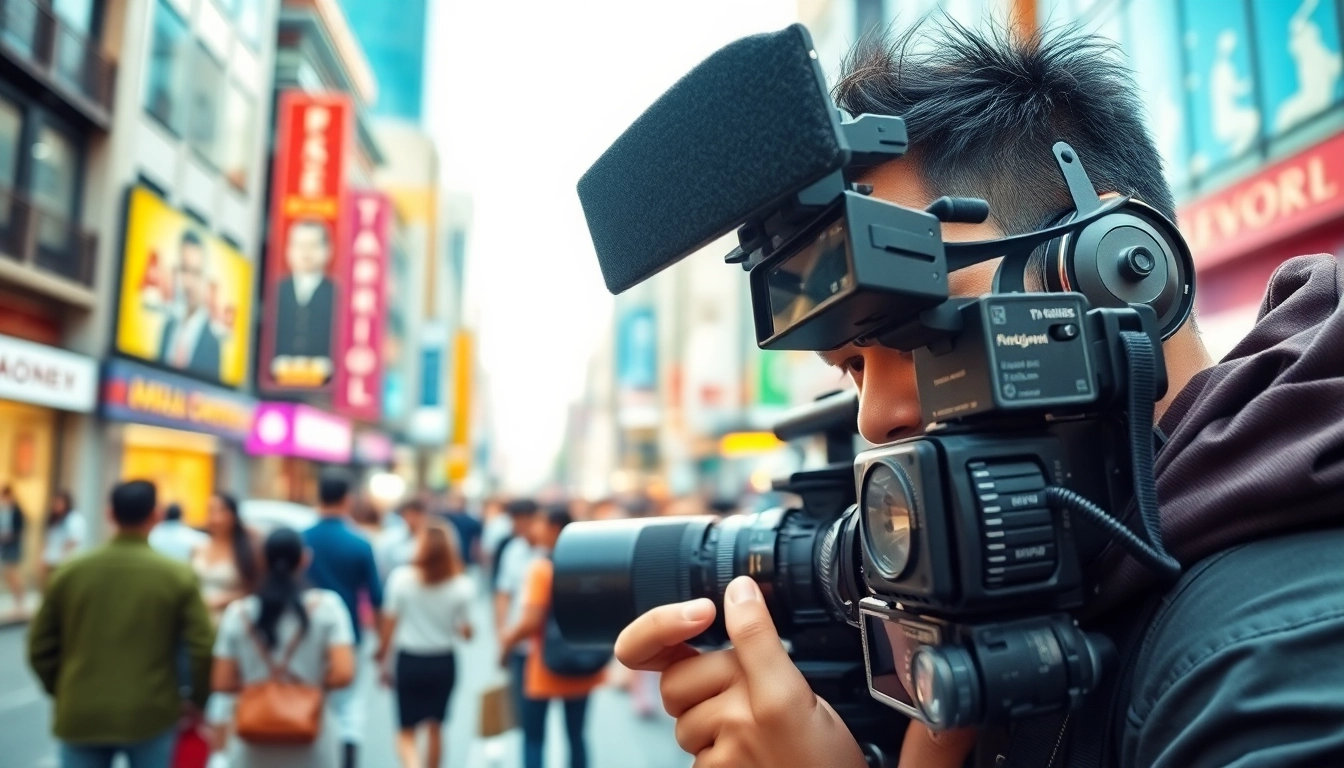
A Videographer is a professional who is involved in the production of video content. This encompasses a variety of tasks such as pre-production planning, shooting footage, and post-production editing. The videographer’s role can vary significantly depending on the project, ranging from single-person film setups to large crew operations. In today’s digital landscape, the demand for skilled videographers has surged, reflecting the need for high-quality video content across various platforms, including social media, corporate communications, and events.
The Importance of Videography in Modern Media
Videography has become an essential component of modern media due to its ability to convey emotions, tell stories, and share information effectively. In an age where attention spans are dwindling, engaging video content has proven to capture viewers’ interest more efficiently than text or images alone. From marketing campaigns to educational content, the visual engagement that videography provides is unmatched. Videographers play a pivotal role in driving content strategy for businesses and individuals, as videos are known to increase engagement, enhance brand recognition, and significantly improve conversion rates.
Common Genres and Specializations within Videography
The world of videography is diverse, with specialties ranging from wedding and event videography to corporate and documentary filmmaking. Each genre comes with its unique challenges and required skills:
- Event Videography: This includes weddings, birthdays, and corporate events. Videographers in this field must excel at capturing spontaneous moments and creating a coherent narrative from various clips.
- Corporate Videography: Often used for training videos, promotional content, and internal communications, corporate videography focuses on delivering a polished and professional product that aligns with brand messaging.
- Documentary Filmmaking: This genre demands strong storytelling abilities and in-depth research skills, as it aims to portray factual content in an engaging manner.
- Music Videos: Collaborating closely with artists, videographers in this niche create visually striking works that enhance musical storytelling.
- Sports Videography: This requires a different set of skills to capture fast-paced action and often incorporates techniques like slow motion and highlight reels.
Essential Skills for Aspiring Videographers
Technical Skills Required for Videography
To thrive as a videographer, one must possess a solid foundation of technical skills. These include:
- Camera Operation: Understanding how to operate different types of cameras, including DSLR, mirrorless, and professional video cameras, is fundamental.
- Lighting Techniques: Mastering the use of natural light and additional lighting equipment enhances the quality of the video significantly.
- Sound Recording: Good audio quality is essential to prevent distractions from video content. Knowledge of microphones and sound mixing is crucial.
- Editing Proficiency: Familiarity with video editing software like Adobe Premiere Pro, Final Cut Pro, or DaVinci Resolve is vital for bringing a project to life post-production.
Creative Skills That Enhance Videography
Technical skills alone aren’t enough. Videographers must also harness creative skills, such as:
- Storytelling: Crafting a narrative that resonates with viewers is essential for keeping audiences engaged.
- Visual Composition: Understanding composition rules like the rule of thirds, leading lines, and framing enhances the visual appeal of videos.
- Color Grading: Knowing how to manipulate colors during post-production can dramatically affect a video’s mood and impact.
Soft Skills for Effective Client Engagement
Videographers also need a set of soft skills to succeed in their careers:
- Communication: Clear communication with clients ensures that their vision is accurately captured and reduces the likelihood of misalignment.
- Organization: Managing multiple projects and deadlines requires exceptional organizational skills.
- Problem-Solving: The ability to think on one’s feet and troubleshoot issues that arise during shoots is invaluable.
How to Become a Successful Videographer
Educational Pathways and Certifications for Videographers
While a formal education isn’t always necessary to become a successful videographer, several pathways can enhance your credibility:
- Degree Programs: Many aspiring videographers pursue degrees in film, media production, or communications to gain foundational knowledge.
- Certifications: Various online courses and workshops offer certifications in specific software or videography techniques, which can bolster a resume.
- Self-Education: The rise of online resources, including video tutorials and forums, enables aspiring videographers to learn at their own pace.
Building a Compelling Videography Portfolio
A portfolio is a crucial tool for any videographer. It showcases your skills and style to potential clients. Here are some tips for developing an impressive portfolio:
- Diverse Projects: Include a variety of work that demonstrates different styles, genres, and techniques.
- Personal Projects: Consider creating self-initiated projects that interest you—these often showcase your true passion and creativity.
- Highlight Key Skills: Each project should demonstrate specific skills or techniques that you want to market, such as advanced editing or memorable storytelling.
- Online Presence: Utilize platforms like Vimeo and YouTube to reach a wider audience with your portfolio and establish a professional website to showcase your work.
Gaining Practical Experience in Videography
Practical experience is paramount to building a successful career as a videographer. Here are practical avenues for gaining experience:
- Internships: Apply for internships with established production companies, which provide hands-on experience and networking opportunities.
- Freelancing: Consider taking up freelance projects; they allow you to apply your skills and understand the client’s world.
- Collaboration: Work with peers on projects, as collaboration can foster creativity and lead to improved skillsets.
Tools and Equipment Every Videographer Should Use
Must-Have Camera Gear for Videographers
The right tools can make a significant impact on the quality of the produced video. Essential camera gear includes:
- Cameras: A good videographer should have access to a versatile camera that fits their style—DSLRs, mirrorless cameras, or camcorders.
- Tripods: A sturdy tripod is essential for stable shots, particularly during interviews or time-lapses.
- Gimbals: For dynamic, smooth footage, a quality gimbal stabilizer is critical, especially during moving shots.
- Microphones: Invest in quality microphones, such as lavalier, shotgun, or handheld mics, to ensure high-quality audio capture during shoots.
Editing Software and Technologies for Videography
Once filming is complete, the editing phase brings the story to life. Top editing software includes:
- Adobe Premiere Pro: A professional-standard editing suite with extensive capabilities for both beginners and advanced users.
- Final Cut Pro: Exclusively for Mac users, this software is known for its user-friendly interface and powerful editing features.
- DaVinci Resolve: Renowned for its exceptional color grading tools, this software is a favorite among film professionals and freelancers alike.
Accessories that Enhance Videography
Accessories can greatly enhance video production quality. Some valuable accessories include:
- Lighting Kits: Softboxes, LED panels, and reflectors help ensure good lighting during shoots regardless of the location.
- Filters: Neutral density filters control exposure and can make brighter shots more cinematic.
- External Storage: Videographers should invest in reliable external drives to store large files safely and efficiently.
Best Practices and Trends in Videography
Techniques for Captivating Video Storytelling
To produce impactful video content, it’s essential to understand effective storytelling techniques:
- Visual Narratives: Use visuals to convey messages; let the video tell the story rather than relying solely on a script.
- Pacing and Timing: Good pacing keeps the audience engaged, balancing action, dialogue, and silence appropriately to evoke emotions.
- Character Development: For unique stories, focus on character arcs and themes that resonate with viewers.
Trends Reshaping the Future of Videography
As technology evolves, so too do the trends within videography:
- Live Streaming: This trend has gained traction, with many brands opting for live events, as they create a sense of immediacy and engagement.
- 360-Degree Video: Virtual reality and 360 videos allow viewers to experience stories in a more immersive way.
- Short-Form Content: Due to the rise of platforms like TikTok and Instagram Reels, short, engaging videos are becoming the norm for quick storytelling.
Measuring Success in Videography Projects
Finally, understanding how to measure the success of videography projects is crucial for ongoing improvement:
- Engagement Metrics: Analyze comments, shares, and likes on social media platforms to gauge audience engagement.
- View Count and Analytics: Use tools like YouTube analytics to track view counts, demographics, and viewer retention rates.
- Client Feedback: Regularly solicit feedback from clients to understand their satisfaction level and areas for improvement.