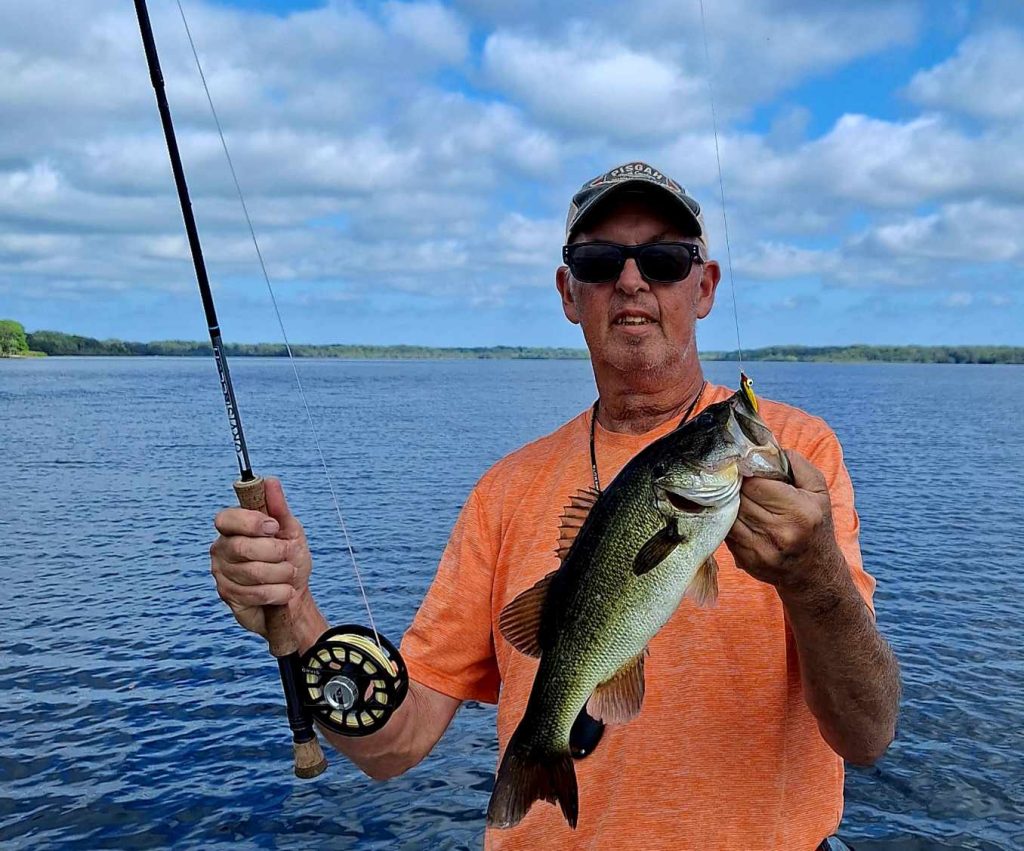
Fly fishing is a passion for anglers who enjoy the challenge and serenity of catching fish in rivers, streams, and lakes. One of the most critical components of successful fly fishing is understanding the fly fishing line. Choosing the right line can dramatically affect your casting distance, accuracy, and ability to present flies naturally. In this ultimate guide, we will explore the different types of fly fishing line, their uses, and how to select the best line for your angling adventures.
What is Fly Fishing Line?
The fly fishing line is the core of any fly fishing setup. Unlike spinning or baitcasting lines, fly lines are designed to carry the fly to the target, using weight and taper to create the perfect cast. They are typically made from a core material coated with plastic or other synthetic compounds to ensure durability and smooth casting. Understanding your fly fishing line options is essential for improving your skills and ensuring a more enjoyable fishing experience.
Types of Fly Fishing Line
There are several types of fly fishing line, each designed for specific fishing conditions and casting styles. Knowing the differences can help you select the right line for your needs.
1. Floating Fly Line
Floating fly line is the most common type and is ideal for surface fishing. It stays on the water’s surface, making it perfect for dry fly fishing. Anglers use floating lines to present flies delicately, mimic natural insect movement, and maintain control over the drift. If you enjoy trout fishing in calm streams, a floating fly fishing line is essential.
2. Sinking Fly Line
Sinking fly fishing line is designed to submerge below the water surface. This line is ideal for deep-water fishing, such as targeting bass or salmon. Sinking lines come in different sink rates, allowing anglers to control how fast the fly reaches the desired depth. They are especially useful in rivers with strong currents where presenting a fly on the surface is challenging.
3. Intermediate Fly Line
Intermediate fly fishing line is a hybrid between floating and sinking lines. It sinks slowly below the surface, making it perfect for fishing just beneath the water’s surface. This line is great for catching fish that feed slightly below the surface but are not easily reachable with a floating line.
4. Tapered Fly Line
Fly lines come in various tapers, including weight-forward, double-taper, and level lines. Weight-forward lines have more mass at the front, allowing for longer casts and better control. Double-taper lines are symmetrical, ideal for roll casting and delicate presentations. Level lines are consistent in diameter and are mainly used for short-distance casts. Choosing the right taper depends on your fishing environment and target species.
Choosing the Right Fly Fishing Line
Selecting the right fly fishing line involves considering several factors, such as water type, target fish, and casting style. A floating line works best in calm streams, while a sinking line is necessary for deep rivers or lakes. The line weight should match your rod’s rating, as mismatched lines can reduce casting efficiency and cause fatigue. Additionally, matching the line taper to your casting style ensures accurate presentations and improves overall performance.
Maintenance and Care for Fly Fishing Line
Proper care of your fly fishing line extends its life and maintains optimal performance. After each fishing session, clean your line with mild soap and water to remove dirt, oils, and debris. Regularly inspect the line for nicks or cracks, as damaged sections can break under tension. Storing your line in a cool, dry place prevents warping and prolongs usability. A well-maintained fly fishing line ensures smooth casting and enhances your fly fishing experience.
Tips for Improving Fly Fishing with the Right Line
- Match the Line to the Rod: Ensure your fly fishing line weight corresponds to your rod rating for maximum efficiency.
- Consider Water Conditions: Floating lines work well in calm waters, while sinking lines are better in deep or fast-moving rivers.
- Change Lines Seasonally: Water temperature and fish behavior vary, so using different fly fishing lines throughout the year can improve success.
- Practice Casting: Mastering casting techniques with your specific line type improves accuracy and reduces line tangles.
Popular Fly Fishing Line Brands
Some of the most reliable fly fishing line brands include Scientific Anglers, Rio, and Orvis. Each brand offers a range of floating, sinking, and intermediate lines to suit various fishing styles. Trying different brands and line types can help you find the perfect match for your angling preferences.
Fly fishing is more than a hobby; it’s an art that requires knowledge, patience, and the right equipment. Selecting the correct fly fishing line plays a crucial role in ensuring success on the water. Whether you prefer floating lines for surface flies, sinking lines for deep-water species, or intermediate lines for subtle presentations, understanding the differences will enhance your technique. Proper maintenance, matching the line to your rod and water conditions, and choosing the right taper will make your fly fishing experience more rewarding. With the right fly fishing line, practice, and persistence, you can enjoy more productive and enjoyable fishing adventures while mastering the art of fly casting.