
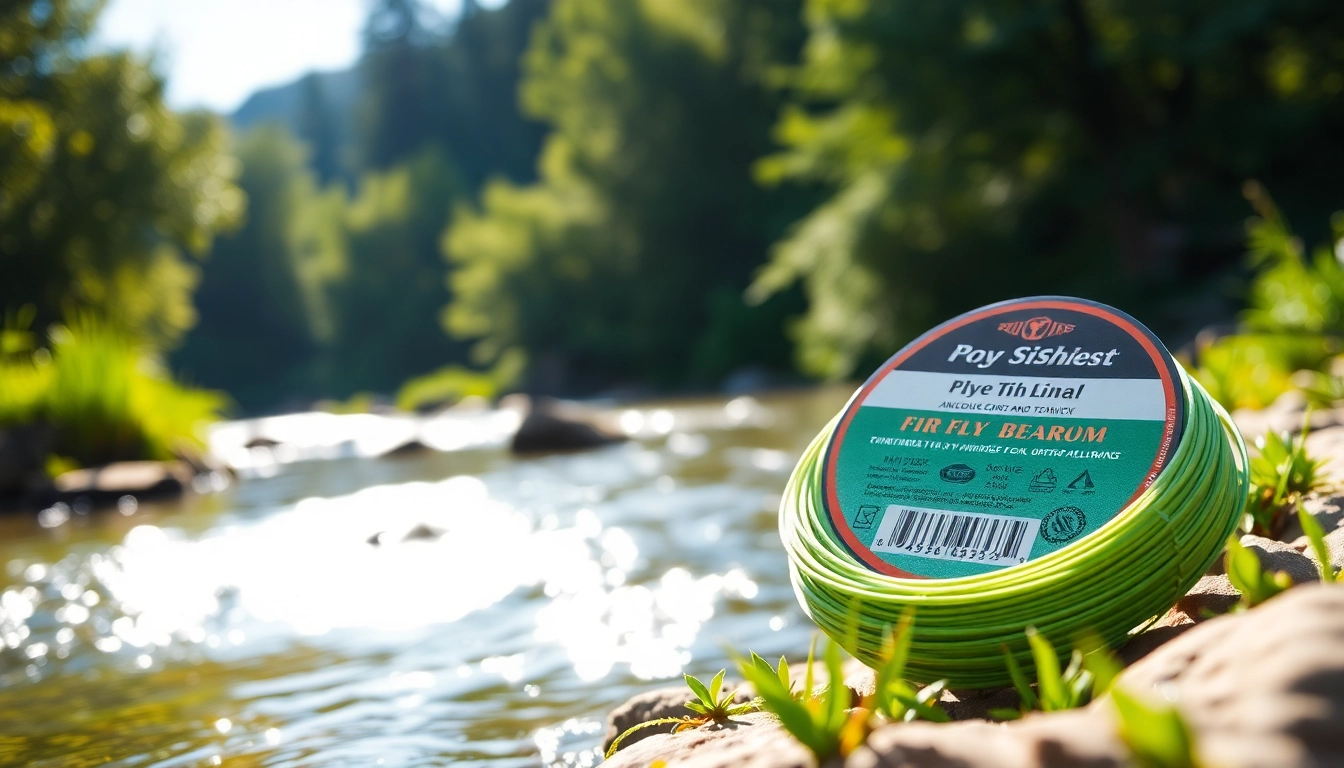
Understanding the Basics of Fly Fishing Line
Fly fishing is a time-honored angling technique that relies heavily on the quality of the Fly fishing line. The importance of this seemingly simple component cannot be overstated; it ultimately controls the distance and accuracy of your cast, heavily influences the type of fishing you can do, and impacts your overall success. Understanding the various aspects of fly fishing line is fundamental for both novice and veteran anglers alike.
Types of Fly Fishing Line
When it comes to fly fishing lines, a plethora of options exist, each designed with specific characteristics tailored for different fishing scenarios. The prominent types of fly fishing lines include:
- Weight Forward (WF) Lines: These are among the most popular lines due to their versatility. Designed with a heavier front section, weight forward lines allow for long-distance casts while maintaining the accuracy required for precise fly placement.
- Floating Lines: Ideal for topwater fishing, floating lines hover on the water’s surface, making them perfect for enticing fish that feed near the surface. They come in both WF and double taper designs.
- Sinking Lines: These lines are essential for fishing deeper waters where fish may not be readily visible. Sinking lines can be further categorized into types based on how quickly they sink, allowing for comprehensive exploration of various water depths.
- Double Taper (DT) Lines: Featuring a tapered design at both ends, double taper lines are great for delicate presentations and provide the additional benefit of reversing the line for extended use.
How to Choose the Right Fly Fishing Line
Choosing the right fly fishing line is critical for maximizing your fishing effectiveness. Here are some key factors to consider:
- Rod Weight: The fly line should match the weight of your rod, typically rated as line weight 1 through 12. For example, a 5-weight line should be paired with a 5-weight rod.
- Fishing Environment: Consider the type of water you will be fishing. If you’re primarily fishing in lakes or ponds, a floating line might be preferable, while a sinking line could be more advantageous in rivers and streams.
- Target Species: Different fish species often require specific lines. For instance, pursuing trout may require a fine taper line for accuracy, whereas targeting larger species like pike may necessitate a sturdier, thicker line.
Common Mistakes to Avoid with Fly Fishing Line
Anglers often make mistakes when selecting or using their fly fishing line. Here are some common pitfalls to avoid:
- Improper Line Matching: Using a line that does not match the rod’s weight can lead to poor casting performance and frustration.
- Neglecting to Change Line: Old or damaged lines can significantly impair performance. Regularly inspect your line for frays or nicks.
- Ignoring Water Conditions: Not adjusting your line type or leader length based on current fishing conditions can lead to missed opportunities.
Evaluating Fly Fishing Line Materials
The material of your fly fishing line plays a crucial role in its performance. Understanding the advantages and disadvantages of each material can help you make an informed decision when purchasing a fly fishing line.
Monofilament vs. Fluorocarbon Fly Fishing Line
Monofilament and fluorocarbon are two primary materials utilized in fly lines:
- Monofilament: Known for its elasticity and buoyancy, monofilament is widely employed for backing and leaders. It is less expensive and easier to handle but can become more visible underwater, making it less favorable for clear water applications.
- Fluorocarbon: This material is virtually invisible underwater, making it a popular choice for leaders when targeting wary fish. Additionally, fluorocarbon is more abrasion-resistant than monofilament. However, it can be more difficult to manage and often carries a higher price tag.
The Benefits of Braided Fly Fishing Line
Though less common than monofilament or fluorocarbon, braided lines have their own advantages. They provide increased sensitivity and casting distance due to their thinner profile and no stretch. They are also incredibly durable, able to withstand considerable weight and harsh weather conditions. However, some anglers find their visibility and stiffness to be drawbacks.
Durability and Performance Factors in Fly Fishing Line
The durability of your fly fishing line can greatly impact your fishing experience. Key performance factors include:
- UV Resistance: Exposure to sunlight can degrade line integrity over time. Choosing a UV-resistant line will prolong its lifespan.
- Temperature Tolerance: Fly fishing in various environments will expose your line to different temperatures. Choosing a line designed to remain flexible in colder waters aids in casting and strike detection.
- Knot Strength: Knot performance is crucial for securing flies. Understanding how well the line material holds knots can prevent losing trophy catches.
Selecting Fly Fishing Line for Freshwater and Saltwater
Choosing the appropriate fly fishing line for different environments is essential to adapting to the unique conditions presented by freshwater and saltwater fishing.
Best Fly Fishing Line for Freshwater Species
For freshwater fishing, choose a line that accommodates local species and habitats. Generally, weight forward floating lines are favored for accessibility and versatility, especially when targeting species like trout or bass. It is also wise to opt for a double taper line in clear waters for stealth presentations.
Choosing Fly Fishing Line for Saltwater Conditions
Saltwater fishing typically requires a stiffer and more durable line that can withstand marine conditions, making choices like weight forward sinking lines favorable. The increased abrasion resistance of some lines makes them essential when fishing in rocky or coral-laden areas. Standard taper lines may also be effective for casting larger flies in turbulent waters.
Adjustments for Varied Water Environments
Different water conditions demand unique line adjustments. Fast-moving rivers might necessitate a sinking line to keep your bait at the desired depth, while still, calm waters may work best with floating lines. Additionally, adjusting leader lengths and type according to the environment can enhance the capability to catch fish effectively.
Expert Tips for Maintaining Fly Fishing Line
To ensure longevity and performance integrity, proper maintenance of your fly fishing line is critical. Follow these expert tips:
Cleaning and Storing Fly Fishing Line
Routine cleaning eliminates dirt, grime, and corrosive salt buildup. A gentle rinse with fresh water after use, followed by air drying is recommended. Storing it on a reel in a protective case avoids tangling and damage. Keep it in a cool, dry place to prevent degradation from humidity or extreme temperatures.
When to Replace Your Fly Fishing Line
It is essential to monitor your line for signs of wear, including nicks, abrasions, or fading color. A good rule of thumb is to replace fly line every couple of fishing seasons, or whenever you notice significant wear. The more you use it, the more often it needs replacing.
How to Repair Damaged Fly Fishing Line
Sometimes, minor damage doesn’t necessitate replacing the entire line. For small nicks, consider trimming the damaged area and retying the line or using a nail knot to join two segments if there’s a serious tear. Many anglers keep a repair kit handy for quick fixes while on the water.
Advanced Techniques with Fly Fishing Line
As your skills progress, mastering advanced techniques with your fly fishing line can significantly enhance your success on the water.
Optimizing Casting Techniques with Fly Fishing Line
Proper casting techniques are crucial for maximizing the effectiveness of your fly fishing line. Focus on the timing and motion of your wrist to create powerful, accurate casts. Practice different casting styles, such as roll casts or double-hauls, which allow for greater distance and precision.
Strategies for Improving Line Control
Effective line control can mean the difference between a successful catch and a missed opportunity. Maintain a healthy tension on the line during retrieval to feel any bites. Practice using short strips with your line to mimic natural fish movements or employ a “mend” technique to adjust the line’s position without moving your fly.
Using Fly Fishing Line in Challenging Conditions
When faced with windy conditions or swift currents, adaptability is paramount. Consider heavier lines to manage increased resistance while casting, and use longer leaders to improve presentation accuracy. Always remain ready to switch your line type or adjust your knots and flies based on the environment you are fishing in.