
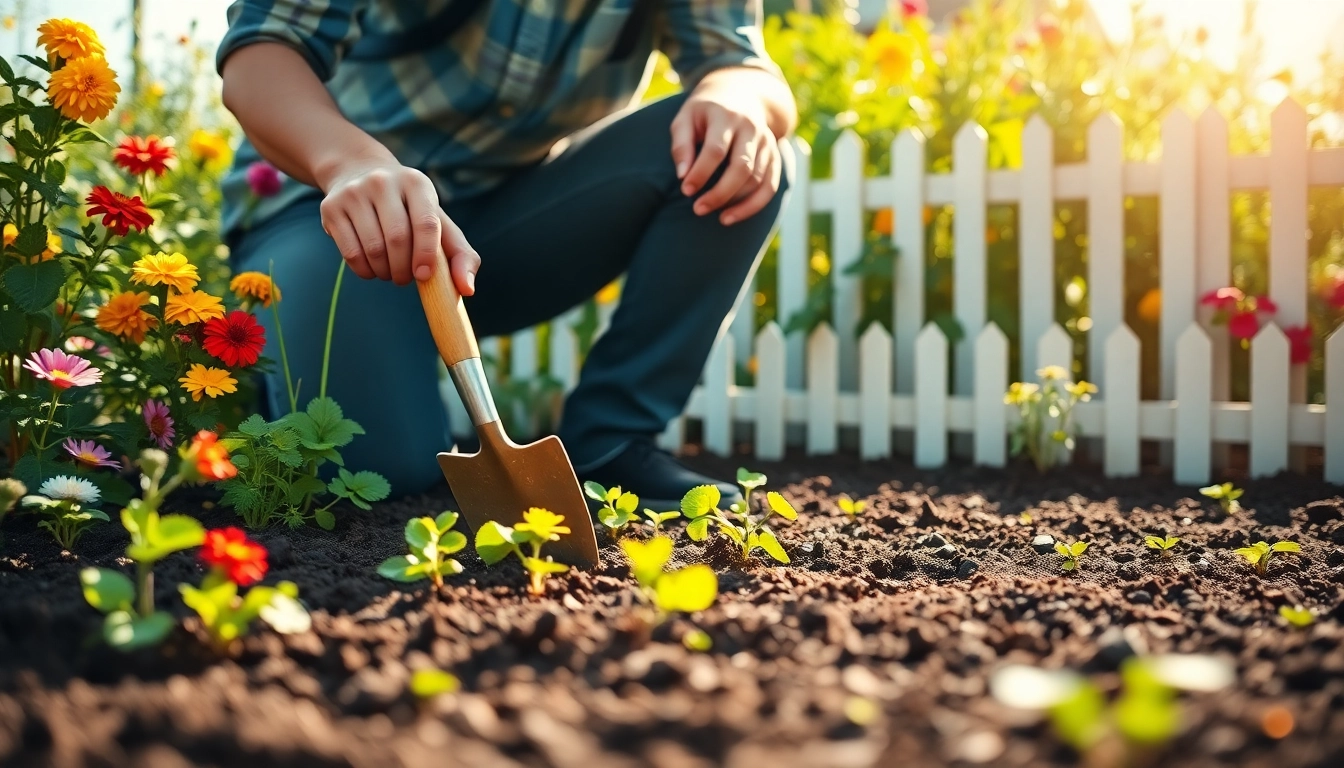
Getting Started with Gardening
Gardening is not just a hobby; it is an art that combines nature, sustainability, and creativity. Whether you’re nurturing an urban balcony or cultivating a vast backyard, the joys of Gardening can be profoundly fulfilling. This guide will help you navigate the essentials that every aspiring gardener needs, from understanding various gardening styles to preparing your gardening space effectively.
Understanding Different Gardening Styles
Gardening styles vary widely from one region to another, influenced by climate, culture, and personal preference. Here’s a look at the most common gardening styles:
- Container Gardening: Ideal for those with limited space, container gardening allows you to grow various plants in pots, and it is perfect for patios or balconies.
- Raised Bed Gardening: This method involves planting in soil beds that are elevated for easier access. It promotes better drainage and is great for vegetable gardening.
- Vertical Gardening: Perfect for small spaces, vertical gardening involves growing plants upward, using walls or trellises to support plant growth.
- Permaculture: This sustainable gardening practice focuses on working with nature to create a self-sufficient ecosystem.
- Hydroponics: A modern technique that grows plants without soil, instead using a nutrient-rich water solution.
Understanding these styles can help you choose the best approach based on your space, climate, and personal preferences.
Essential Tools for Beginners in Gardening
Equipping yourself with the right tools is essential to successful gardening. Beginners should consider investing in the following tools:
- Hand trowel: A small shovel perfect for digging holes and transplanting seedlings.
- Pruning shears: Ideal for trimming and shaping plants to encourage growth.
- Watering can or hose: Essential for providing your plants with the necessary moisture.
- Gloves: Protect your hands from dirt and thorns while working.
- Rake and hoe: Useful for tilling soil and removing debris from your planting area.
Investing in these tools will streamline your gardening efforts and make the process more enjoyable.
Preparing Your Space for Gardening
Before planting, preparing your gardening space is crucial:
- Choose the Right Location: Most plants thrive in sunny locations with at least six hours of sunlight each day.
- Clear the Area: Remove weeds, rocks, and debris from the chosen space.
- Assess the Soil: Good quality soil is vital. Conduct a soil test to check pH and nutrient levels.
- Tilling the Soil: Loosen the soil to allow air and water to penetrate, enhancing root growth.
These initial steps will create a productive environment for your plants to thrive.
Soil and Fertilization Techniques in Gardening
Soil health is foundational to successful gardening. Understanding different soil types and fertilization techniques can help you optimize plant health and productivity. Let’s delve into these critical aspects.
Choosing the Right Soil for Gardening
The right soil can significantly affect plant growth. Here are key soil types to consider:
- Clay Soil: Retains moisture well but can be difficult to work with. It’s rich in nutrients but tends to drain poorly.
- Sandy Soil: Drains quickly and warms up fast, but lacks nutrients. It may require frequent watering.
- Silty Soil: Fertile, retains moisture, and drains well. It’s ideal for many garden plants.
- Loamy Soil: A balanced mix of clay, sand, and silt. It is considered the best soil for gardening because of its nutrient content and drainage properties.
Consider mixing organic matter into your soil to enhance its fertility further, regardless of the type.
Natural vs. Chemical Fertilizers in Gardening
Understanding the difference between natural and chemical fertilizers can help you make informed choices that impact plant growth and the environment:
- Natural Fertilizers: Derived from organic materials such as compost, manure, or bone meal. They gradually release nutrients and improve soil structure.
- Chemical Fertilizers: Synthetic fertilizers that provide an immediate nutrient boost but can lead to soil degradation over time if overused.
A balanced approach that combines both may yield the best results for your garden while promoting sustainability.
Composting Benefits for Your Gardening
Composting transforms waste into nutrient-rich soil amendment. The benefits include:
- Improving soil structure and aeration.
- Enhancing moisture retention in soil.
- Providing essential nutrients for plants.
- Reducing waste sent to landfills.
- Encouraging beneficial microbial activity in the soil.
Start a compost pile to recycle kitchen scraps and garden waste, and watch your garden flourish.
Plant Selection and Care in Gardening
A well-planned garden begins with the right plant selections and ongoing care. Being mindful of these factors will lead to thriving plants and a successful gardening experience.
Best Plants for Beginners in Gardening
Choosing beginner-friendly plants can enhance your gardening success. Consider the following options:
- Tomatoes: Easy to grow and rewarding, tomatoes thrive in most climates.
- Herbs: Basil, parsley, and cilantro are simple to grow and can be used in cooking.
- Radishes: Fast-growing and low-maintenance, radishes are perfect for novice gardeners.
- Sunflowers: These hardy plants add beauty and are quite forgiving.
Starting with these varieties allows beginners to gain confidence while exploring their interest in gardening.
Seasonal Care Tips for Your Gardening
Different seasons demand different approaches to plant care. Here are some tips to keep in mind:
- Spring: Prepare soil and plant new seeds or seedlings.
- Summer: Water plants regularly and manage pests vigilantly.
- Fall: Harvest crops and prepare for winter by mulching and planting cover crops.
- Winter: Protect plants from harsh weather, and plan for the upcoming spring garden.
Being proactive with seasonal care can lead to a productive gardening year round.
Addressing Common Plant Diseases in Gardening
Understanding common plant diseases and their solutions is crucial for any gardener’s toolkit:
- Powdery Mildew: A fungal disease that appears as white powder on leaves. Improve air circulation and apply fungicides as needed.
- Root Rot: Often caused by overwatering, it leads to wilting and decay. Ensure proper drainage and adjust watering habits.
- Aphids: Small pests that suck plant sap can be controlled with insecticidal soap or natural predators like ladybugs.
Monitoring your plants regularly can help catch issues early, ensuring a healthy garden.
Watering Strategies for Successful Gardening
Watering is fundamental to gardening success. Understanding the needs of your plants and implementing efficient watering strategies will promote healthy growth.
Understanding Watering Needs of Different Plants in Gardening
Different plants have varying water requirements based on their type, growth stage, and environmental conditions:
- Succulents: Require minimal watering due to their water-retaining leaves.
- Vegetables: Generally need consistent moisture, especially during dry spells.
- Perennials: Depending on the species, many can withstand drier conditions once established, however, regular watering is essential during the first year.
Assessing and adjusting your watering strategy according to plant needs is vital for achieving success in your garden.
Efficient Irrigation Techniques for Gardening
Implementing efficient irrigation methods can conserve water while ensuring your plants receive optimal moisture:
- Drip Irrigation: Directly delivers water to the plant’s root zone, minimizing evaporation and runoff.
- Soaker Hoses: These hoses release water slowly along their length, ideal for watering beds without disturbing the soil.
- Rain Barrels: Collecting rainwater is a sustainable way to provide water to your garden.
By using these methods, gardeners can reduce waste and maintain healthy plants.
Rainwater Harvesting for Sustainable Gardening
Rainwater harvesting is an eco-friendly method that allows gardeners to utilize natural precipitation:
- Setup: Install barrels or tanks to collect rainwater from gutters off your home.
- Filtration: Basic filtration systems can improve water quality, making it suitable for irrigation.
- Usage: Use harvested rainwater to irrigate your garden during dry periods, which sustains water usage efficiency.
This sustainable technique not only conserves water but also reduces utility bills.
Advanced Gardening Practices for Enthusiasts
For seasoned gardeners, exploring advanced techniques can lead to even greater satisfaction and productivity in the garden. These practices often blend traditional methods with innovative strategies to enhance biodiversity and soil health.
Permaculture Principles in Gardening
Permaculture is a holistic approach to gardening that mimics natural ecosystems:
- Diversity: Introduce a variety of plants to enhance resilience and minimize pest issues.
- Zero Waste: Implement systems where waste from one process becomes nutrients for another.
- Water Management: Design landscapes that conserve water and include swales and ponds for irrigation.
Applying permaculture principles encourages sustainable and self-sufficient gardening practices.
Organic Gardening Techniques for Healthier Produce
Organic gardening focuses on nurturing plants without synthetic chemicals:
- Natural Pest Control: Utilize beneficial insects and organic pesticides to protect plants from pests.
- Organic Fertilizers: Employ compost and natural amendments to sustain soil health.
- Biodynamic Practices: Integrate lunar cycles and natural preparations for holistic garden care.
Organic gardening not only produces healthier food but also contributes to environmental sustainability.
Gardening for Biodiversity and Ecosystem Health
Creating a garden that emphasizes biodiversity can have profound impacts on local ecosystems:
- Nectar and Habitat Plants: Incorporate flowers that attract pollinators like bees and butterflies, supporting local wildlife.
- Cover Cropping: Plant cover crops to improve soil structure and prevent erosion while providing habitat for soil organisms.
- Companion Planting: Grow compatible plants together to enhance growth and reduce pests.
Prioritizing biodiversity cultivates healthier ecosystems and fosters a richer gardening experience.