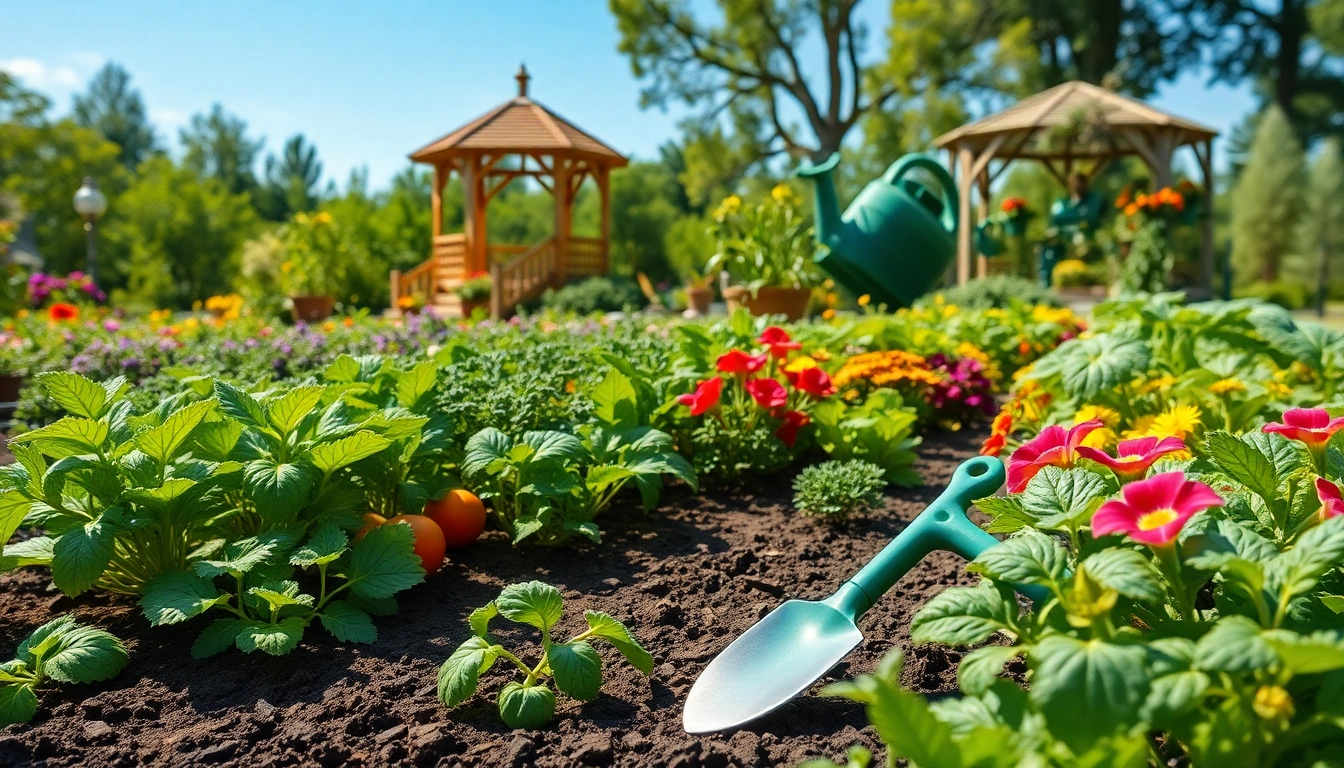
Understanding Gardening Basics
Gardening is a fulfilling activity that connects individuals with nature while serving practical benefits such as providing food, improving air quality, and enhancing outdoor aesthetics. Whether you are a novice looking to start your journey or an experienced gardener seeking advanced techniques, understanding the foundational aspects of gardening is crucial.Gardening encompasses a myriad of skills and knowledge areas that require careful attention and dedicated effort.
What is Gardening?
Gardening involves cultivating plants in various settings, from backyards to urban rooftops. It is not merely about planting and watering; rather, it requires an understanding of plant biology, environmental factors, and human needs. Different types of gardening, such as vegetable gardening, ornamental gardening, and landscape design, cater to specific goals and space availability.
At its core, gardening harnesses the relationship between humans and the natural environment. It emphasizes the importance of sustainability and biodiversity as we engage with our living landscapes. With the right approach, gardens can thrive in any environment and contribute positively to individual well-being and ecological balance.
Essential Tools for Gardening
Having the right tools is foundational for successful gardening. Here are some essential tools that every gardener should consider:
- Hand Trowel: Ideal for digging, planting, and transferring soil.
- Pruning Shears: Useful for trimming plants and managing plant health.
- Garden Fork: Excellent for turning soil and mixing in organic material.
- Watering Can or Hose: Ensures proper watering without harming delicate plants.
- Gloves: Protect your hands from dirt and small injuries.
Investing in quality tools can significantly enhance your gardening experience. They enable precision work that leads to better results, whether in plant care or aesthetic appeal.
Choosing the Right Plants for Your Garden
Selecting plants is pivotal to gardening success. Several factors should influence your choice:
- Climate: Understand your local climate zone as it dictates the types of plants you can grow.
- Soil Type: Different plants thrive in different soil types; perform soil tests if necessary.
- Sunlight Availability: Evaluate how much sunlight your garden receives daily to align plant choices accordingly.
- Personal Preferences: Consider your tastes—are you interested in flowers, vegetables, or both?
By aligning plant selections with environmental conditions and personal desires, gardeners can create vibrant, healthy ecosystems that flourish year after year.
Soil Science in Gardening
The importance of soil in gardening cannot be overstated. Healthy soil is the foundation for healthy plants, offering them nutrients, structure, and water retention that are essential for growth.
Importance of Soil Health
Soil health refers to the condition of soil and its capacity to sustain plants and ecosystems. Key indicators of soil health include:
- Soil Structure: Well-structured soil has good aeration and drainage properties.
- Nutrient Content: Essential nutrients like nitrogen, phosphorus, and potassium must be adequately present.
- Biological Activity: Healthy soils are teeming with beneficial organisms that contribute to plant nourishment.
Regularly monitoring soil health ensures optimal plant growth and mitigates the risk of disease and pest infestations.
Soil Preparation Techniques
Preparing soil involves several steps to create an ideal environment for planting:
- Clearing and Tilling: Remove weeds and debris before loosening the soil.
- Amending Soil: Incorporate organic matter like compost to enhance soil fertility and structure.
- Testing Soil pH: A pH test helps determine what amendments are necessary to create favorable conditions for plant growth.
By dedicating effort to proper soil preparation, gardeners can foster thriving plant life in their gardens.
Testing Your Soil Quality
Regular soil testing provides critical information about nutrient levels and pH, aiding gardeners in making informed gardening decisions. Here’s how to test your soil quality:
- Collect soil samples from different areas of your garden.
- Use a soil testing kit available at garden centers or consult agricultural extension services.
- Analyze the results to determine nutrient deficiencies or excesses.
Once you have your soil tested, follow recommendations for amendments to improve soil quality for optimal plant health.
Watering and Fertilizing Strategies
Proper watering and fertilizing techniques maximize plant health and productivity. Understanding the needs of your plants and their environment greatly enhances outcomes in the garden.
Best Practices for Watering Your Garden
Watering effectively requires attention to timing and technique:
- Water Deeply: Encourage deep root growth by watering less frequently but more thoroughly.
- Water in the Morning: Early watering minimizes evaporation and allows plants to absorb moisture before the heat of the day.
- Observe Soil Moisture: Use your finger to check soil moisture depth and avoid overwatering.
By adhering to these principles, gardeners ensure that their plants receive the necessary hydration without wasteful runoff.
Understanding Fertilizer Types
Fertilizers are crucial for supplementing soil nutrients and improving plant growth. There are two main types of fertilizers:
- Organic Fertilizers: Derived from natural sources such as compost, manure, and bone meal, they release nutrients slowly and improve soil structure.
- Chemical Fertilizers: Synthetic options that deliver nutrients rapidly; however, they may lead to soil degradation over time.
Choosing the right type of fertilizer depends on your gardening goals, soil health, and preferences for organic versus synthetic gardening.
Organic vs. Chemical Fertilizers
Deciding between organic and chemical fertilizers presents a fundamental choice for gardeners. While organic fertilizers align with sustainable practices and foster soil biodiversity, chemical fertilizers streamline growth and are easier to apply. It’s essential to weigh the pros and cons of each option while considering environmental effects, plant health, and soil long-term viability.
Pest and Disease Management
Pest and disease management is a vital component of gardening that ensures the health of your plants. Identifying potential threats and employing appropriate strategies can save your garden from devastation.
Identifying Common Garden Pests
Common garden pests include aphids, slugs, and spider mites. Understanding their signs is crucial for early intervention:
- Aphids: Small, often green insects that gather on new plant growth and suck sap.
- Slugs: Creatures that create irregular holes in leaves and are often seen at night.
- Spider Mites: Tiny arachnids often causing stippling on leaves and webbing.
Regular monitoring of plants helps catch infestations early, allowing for effective control measures before extensive damage occurs.
Natural Remedies for Pest Control
For environmentally friendly pest management, consider natural remedies such as:
- Neem Oil: A natural pesticide derived from the neem tree that disrupts the lifecycle of certain pests.
- Insecticidal Soap: Effective against soft-bodied insects like aphids and mealybugs.
- Companion Planting: Certain plants can repel pests. For example, marigolds are known to deter nematodes.
Utilizing such remedies not only protects your plants but also sustains the ecosystem within your garden.
Preventing Plant Diseases
Plant diseases can arise from fungal, bacterial, or viral infections. Prevention strategies include:
- Good Hygiene: Clean tools and remove debris to reduce disease spread.
- Proper Watering: Avoid overhead watering to decrease humidity around plants.
- Disease-Resistant Varieties: Choose plant varieties that are proven resistant to prevalent diseases in your region.
By implementing these strategies, gardeners can significantly reduce the incidence of diseases and keep their plants thriving.
Advanced Gardening Techniques
Once comfortable with the basics, gardeners often seek advanced techniques to enhance their gardening practices. These methodologies enrich the health of the garden and optimize yields.
Companion Planting Benefits
Companion planting is the practice of growing different plants together to achieve various benefits, including pest control, improved nutrient uptake, and enhanced growth rates. For example:
- Tomatoes and Basil: Basil can repel tomato pests while enhancing the flavor of tomatoes.
- Carrots and Onions: These two can deter each other’s pests, significantly reducing infestations.
By understanding plant relationships, gardeners can significantly increase aesthetic beauty and functional success within the garden.
Crop Rotation for Sustainability
Crop rotation involves changing the species of plants grown in a particular area seasonally to prevent soil depletion and diseases. The benefits of crop rotation include:
- Nutrient Cycling: Different plants require different nutrients, helping to balance soil fertility.
- Disease Prevention: Rotating crops reduces the risk of disease reoccurrence in the same location.
- Improved Soil Structure: Diverse root systems aerate and enhance soil health.
Incorporating crop rotation into your gardening strategy can sustainably improve the overall health of your garden.
Building a Raised Garden Bed
Raised garden beds offer numerous benefits, including better soil drainage, improved pest control, and ease of access. Constructing a raised bed involves:
- Selecting the location and size based on available space and desired crops.
- Building the frame using rot-resistant wood or other materials.
- Filling with a suitable soil mix, typically a combination of topsoil, compost, and other organic matter.
Gardening in raised beds can lead to higher yields, a more organized garden space, and a rewarding experience for both new and expert gardeners.