
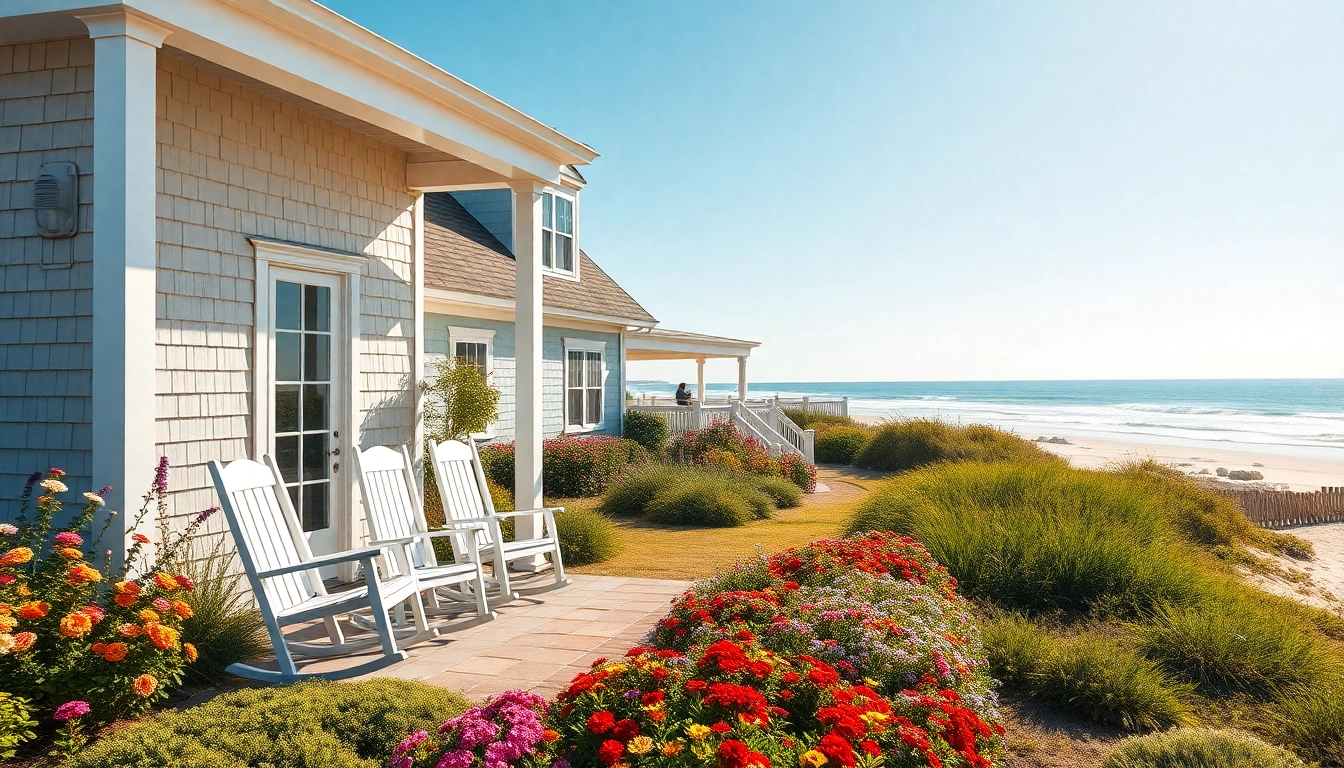
Understanding the Cape Cod Home Aesthetic
Historical Origins of Cape Cod Homes
The Cape Cod home style traces its origins back to the early 17th century, emerging from the needs of early settlers in New England. These homes were designed to withstand the harsh coastal climate while providing a functional and aesthetic setting. The architecture reflects a simple, solid construction, utilizing local materials like wood and stone. The classic steep roof allows for efficient snow shedding, while the symmetrical design promotes stability and harmony with the natural surroundings.
Key Architectural Features
Typical features of a Cape Cod home include steeply pitched roofs, dormer windows, and symmetrical facades. Often built with wood siding, these homes might feature clapboard or shingle exteriors, blending seamlessly with their coastal environments. Inside, a typical layout offers an open floor plan, functional living spaces, and a center staircase leading to sleeping quarters above. The cozy charm of a fireplace in the living room adds to the inviting atmosphere.
Modern Adaptations of Traditional Designs
Modern interpretations of Cape Cod homes have evolved, integrating contemporary materials and open floor plans while preserving traditional aesthetics. Many homeowners now opt for energy-efficient windows and sustainable building practices, ensuring that their cape cod home remains viable for future generations. Heightened ceilings, expansive glass doors, and innovative use of space are just a few modern adaptations enhancing both functionality and style.
Planning Your Cape Cod Home Expansion
Assessing Your Space Needs
Planning an extension of your Cape Cod home begins with a thorough assessment of your space needs. Consider your family dynamics, lifestyle preferences, and future growth. Do you need additional bedrooms, a home office, or a recreational area? Conducting a needs assessment will provide clarity on how best to utilize existing space while allowing for new construction. Involving family members in the discussion can help reveal key insights into essential requirements.
Designing for Functionality and Flow
Once you’ve identified your needs, designing with functionality and flow in mind is critical. Create a layout that fosters convenience and promotes social interaction. Consider the placement of rooms for optimal access, and ensure that communal spaces like the kitchen and living room are inviting and generously proportioned. In addition, maintaining coherence with the aesthetic of your existing Cape Cod architecture will result in a harmonious overall design.
Choosing Sustainable Materials
Sustainability is a pivotal aspect of modern construction, and selecting eco-friendly materials can significantly enhance the appeal of your Cape Cod home expansion. Look for reclaimed wood, recycled materials, and energy-efficient windows. Choosing local sourcing not only reduces your carbon footprint but also supports local craftsmen and suppliers. Sustainable design choices may involve integrating green roofs or solar panels, transforming your home into an environmentally responsible structure.
Maximizing Outdoor Spaces in Cape Cod Homes
Creating Inviting Patios and Decks
Outdoor living is a hallmark of Cape Cod homes, making patios and decks essential for maximizing space. Consider materials that weather well, such as composite decking or natural stone, which complement the coastal surroundings. Create distinct zones for dining, lounging, and entertaining—using comfortable furniture and waterproof cushions to enhance usability. This outdoor extension helps fuse indoor and outdoor living, allowing for year-round enjoyment of your surroundings.
Incorporating Native Landscaping
When landscaping your outdoor spaces, incorporating native plants is vital. These plants thrive in the local climate and require less maintenance. From sea oats to beach roses, native flora will enrich your yard’s biodiversity, supporting local wildlife while creating an authentic coastal atmosphere. Moreover, consider the installation of rain gardens or permeable paving to manage stormwater effectively and enhance the beauty of your landscape.
Utilizing Outdoor Amenities
Integrate outdoor amenities into your Cape Cod home design for added functionality. Outdoor kitchens, fire pits, and built-in seating areas can significantly elevate your home’s profile while providing practical entertainment solutions. These features encourage outdoor gatherings and can seamlessly blend with your landscaping. Additionally, consider options like hot tubs or pools, which can offer a private retreat while becoming the highlight of your backyard.
Transforming Interiors: Cape Cod Style Inspirations
Color Schemes for Coastal Living
Color plays a significant role in the ambiance of a Cape Cod home. Soft hues inspired by the coastal landscape—such as seafoam greens, sandy beiges, and sky blues—create a serene backdrop. Accentuate these core colors with bolder accents like navy or coral to infuse energy and vibrancy. Utilizing natural light through strategic window placements can further enhance these color schemes, making spaces feel more open and airy.
Furniture Choices for Comfort and Style
Choosing furniture that reflects the Cape Cod style involves balancing comfort and aesthetics. Opt for soft, inviting fabrics that evoke a relaxed, beach-like feel, such as linen and cotton in neutral or striped patterns. Furniture with light finishes or distressed wood can add character while maintaining the classic coastal elegance associated with Cape Cod homes. Incorporating built-in cabinetry or shelves can also enhance organization and functionality.
Artwork and Decor That Reflects the Coast
The decor within Cape Cod homes should mirror their coastal origins. Artwork featuring marine life, coastal landscapes, and nautical themes can enhance the charm of your interiors. Consider handmade crafts or locally sourced pieces that tell a story and add depth. Accessories like driftwood accents, seashells, and coastal-themed throw pillows complete the aesthetic while fostering a continuous connection to the beach.
Maintaining Your Cape Cod Home for Longevity
Regular Upkeep and Repairs
Regular maintenance is essential to ensure that your Cape Cod home withstands the test of time. Routine inspections of roofs, siding, and foundational elements are necessary for identifying early signs of wear. Pay special attention to weatherstripping and insulation, as these areas significantly impact energy efficiency and comfort. Establishing a maintenance schedule can prevent costly repairs and prolong the lifespan of your home.
Seasonal Preparation Tips
Preparing your Cape Cod home for seasonal changes can help mitigate damage from harsh weather conditions. In the fall, ensure gutters are clear and inspect for drafts before winter sets in. During spring, check for water leaks or cracks that may have developed during the colder months. Implementing a seasonal checklist can streamline maintenance efforts and keep your home in prime condition throughout the year.
Engaging Professionals for Major Projects
While DIY projects can be rewarding, engaging professionals for significant renovations ensures quality and compliance with local building codes. Collaborating with architects or contractors experienced in Cape Cod design can result in smoother project execution. Ensure they understand your vision and priorities; this will facilitate an aligned approach to expand or renovate your home successfully.
Frequently Asked Questions
What makes a Cape Cod home unique?
A Cape Cod home is known for its steep roof, dormer windows, and symmetrical design, embodying colonial New England architecture.
Can I modernize a traditional Cape Cod home?
Yes, you can incorporate modern amenities while maintaining the home’s original charm through thoughtful renovations.
What is the typical layout of a Cape Cod home?
Most Cape Cod homes feature an open floor plan with a central staircase leading to bedrooms on the upper level.
How do I enhance outdoor spaces for my Cape Cod home?
Focus on creating decks or porches, use native plants for landscaping, and consider adding outdoor seating and cooking areas.
What maintenance should I perform on my Cape Cod home?
Regularly check for weather-related wear, clean gutters, and ensure proper sealing and insulation to protect your home.