Understanding Chiheng Custom CNC Machining
In the modern manufacturing landscape, precision and efficiency are paramount. Chiheng Custom CNC Machining stands out as a key player dedicated to delivering high-quality custom machined components. This article delves into the intricacies of CNC machining, exploring its benefits, applications, features, and how to effectively choose the right service for your manufacturing needs.
What is CNC Machining?
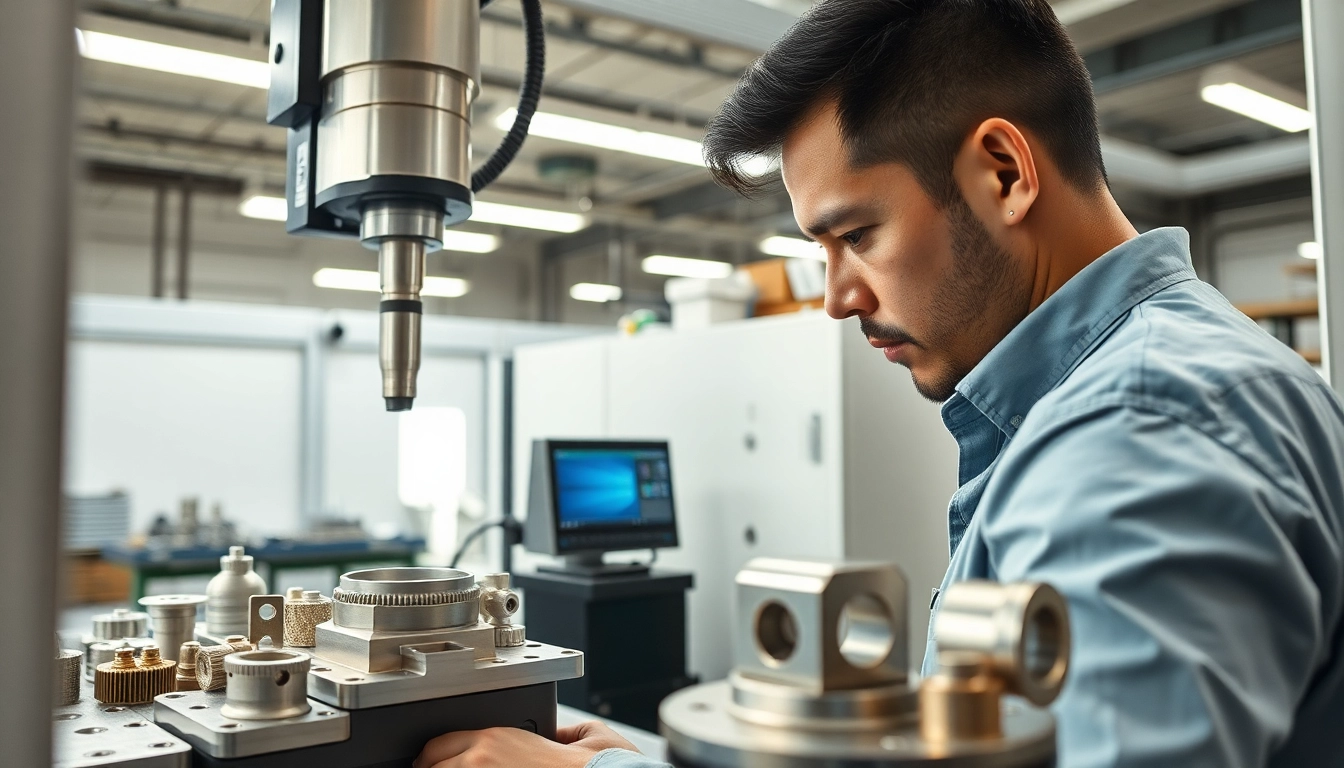
CNC (Computer Numerical Control) machining is an automated manufacturing process that uses pre-programmed computer software to control machinery and tools. This technology is utilized to precisely remove material from a workpiece to achieve the desired dimensions and surface finish. Various machines facilitate this, including mills, lathes, and routers, making CNC machining highly versatile for numerous applications.
Benefits of Chiheng Custom CNC Machining
Chiheng Custom CNC Machining offers numerous benefits, including:
- High Precision: Achieving tolerances as tight as ±0.005mm, ensuring that parts meet exact specifications.
- Time Efficiency: Rapid production capabilities significantly reduce lead times for prototypes and high-volume orders.
- Material Versatility: Ability to work with a wide range of materials, from metals such as aluminum and stainless steel to plastics.
- Customization: Tailored solutions are provided according to individual project requirements, enhancing flexibility.
Applications in Various Industries
CNC machining has become indispensable across various sectors including:
- Aerospace: Fabrication of lightweight and complex components.
- Automotive: Production of precision parts for engines and assemblies.
- Medical: Manufacturing intricate instruments and implants.
- Electronics: Creation of enclosures, connectors, and circuit boards.
Key Features of Chiheng Custom CNC Machining Services
Precision Tolerances and Quality Standards
In manufacturing, tolerances define the acceptable limits for dimensional variations. Chiheng’s commitment to quality includes adherence to strict ISO9001 standards, focusing on maintaining precision tolerances that meet or exceed industry standards. Regular audits and inspections ensure that the machining processes yield high-quality outputs that consistently adhere to clients’ specifications.
Custom Solutions and Prototyping
Chiheng excels in providing custom solutions that cater to unique client needs. This adaptability extends to prototyping, where clients can obtain functional models of their designs before full production. Rapid prototyping reduces the time and cost of revisions, leading to a more structured and efficient design process.
Material Options Available
The choice of materials is crucial in achieving optimal performance. Chiheng Custom CNC Machining works with a variety of materials, including:
- Metals: Aluminum, stainless steel, brass, and titanium.
- Plastics: ABS, PVC, and polycarbonate.
- Composites: Carbon fiber and fiberglass.
This diverse selection allows for a tailored approach to each project, ensuring that the right material is employed for the intended application.
How to Choose the Right CNC Machining Services
Evaluating Technical Capabilities
When selecting a CNC machining service, it is vital to assess their technical capabilities. Look for companies that use state-of-the-art machinery, have a skilled workforce, and the ability to handle complex designs. Value-added services such as secondary operations (e.g., plating, assembly) can also streamline your production process.
Understanding Costs and Pricing Models
Cost is often a primary concern. Various factors contribute to overall machining costs, including material, design complexity, and machine time. Request detailed quotes that break down these components to understand the pricing structure fully. Factors such as the volume of the order can also affect pricing, with lower values generally incurring higher costs per piece.
Delivery Times and Reliability
Timely delivery can make or break a project. Assess potential machining partners for their track records on delivery times. Established companies typically have robust logistics and project management systems in place that ensure reliability and promptness in fulfilling orders, even during peak times.
Maximizing Efficiency in Production with Chiheng Custom CNC Machining
Optimizing Design for CNC Machining
To make the most of CNC machining, it is essential to optimize designs for manufacturability. Simplifying designs, reducing the number of intricate parts, and selecting suitable materials can lead to significant cost reductions and efficiency gains. Collaborate closely with engineering teams to align design specifications with CNC capabilities.
Best Practices for Project Management
Effective project management is vital in CNC machining projects. Employ practices such as regular communication, clear documentation of project requirements, and adherence to timelines. Utilizing project management software can provide valuable oversight and help teams stay on track.
Case Studies and Successful Implementations
By examining successful implementations of CNC projects, businesses can learn from best practices and pitfalls. Case studies illustrate how different industries have leveraged Chiheng’s capabilities to improve their manufacturing processes. For example, a prominent aerospace company improved its component lead times by over 30% through a partnership with Chiheng, highlighting the impact of reliable CNC machining on operational efficiency.
Getting Started with Chiheng Custom CNC Machining
Requesting a Quote and Consultation
The first step towards collaboration with Chiheng involves requesting a quote. Clients should provide comprehensive details regarding their project, including design files, material choices, and expected timelines. This information allows the team to offer accurate and competitive quotes.
Preparing Files and Specifications
For CNC machining, the accuracy of design files is critical. Clients should ensure their designs are formatted correctly for the machining process. Common file formats include CAD files (.dwg, .dxf) and 3D models (.stl). Clarity in specifications regarding tolerances and finishes will further streamline the manufacturing process.
Follow-up and Quality Assurance
After placing an order, maintaining communication with the machining partner is essential. Regular follow-ups ensure that projects remain on track and any issues are addressed promptly. Quality assurance measures, including inspections and testing, must be observed to guarantee that the final products meet required standards.
Frequently Asked Questions
How much does custom CNC machining cost?
The cost of custom CNC machining varies based on factors like material type, complexity of the design, and machine time needed. Typically, pricing can range from $50 to $150 per hour.
What materials can be used for CNC machining?
CNC machining can utilize a wide range of materials including metals (like aluminum and stainless steel), various plastics (like ABS and nylon), and composites (such as carbon fiber).
How precise is CNC machining?
CNC machining can achieve very tight tolerances, often within ±0.005mm, making it suitable for applications where accuracy is critical.
What industries benefit from CNC machining?
Many industries utilize CNC machining, including aerospace, automotive, medical, electronics, and industrial machinery, given its accuracy and flexibility.
How do I start a project with Chiheng?
To begin, simply request a quote by providing your project specifications, including design files and material choices to facilitate a clear and accurate quote.