
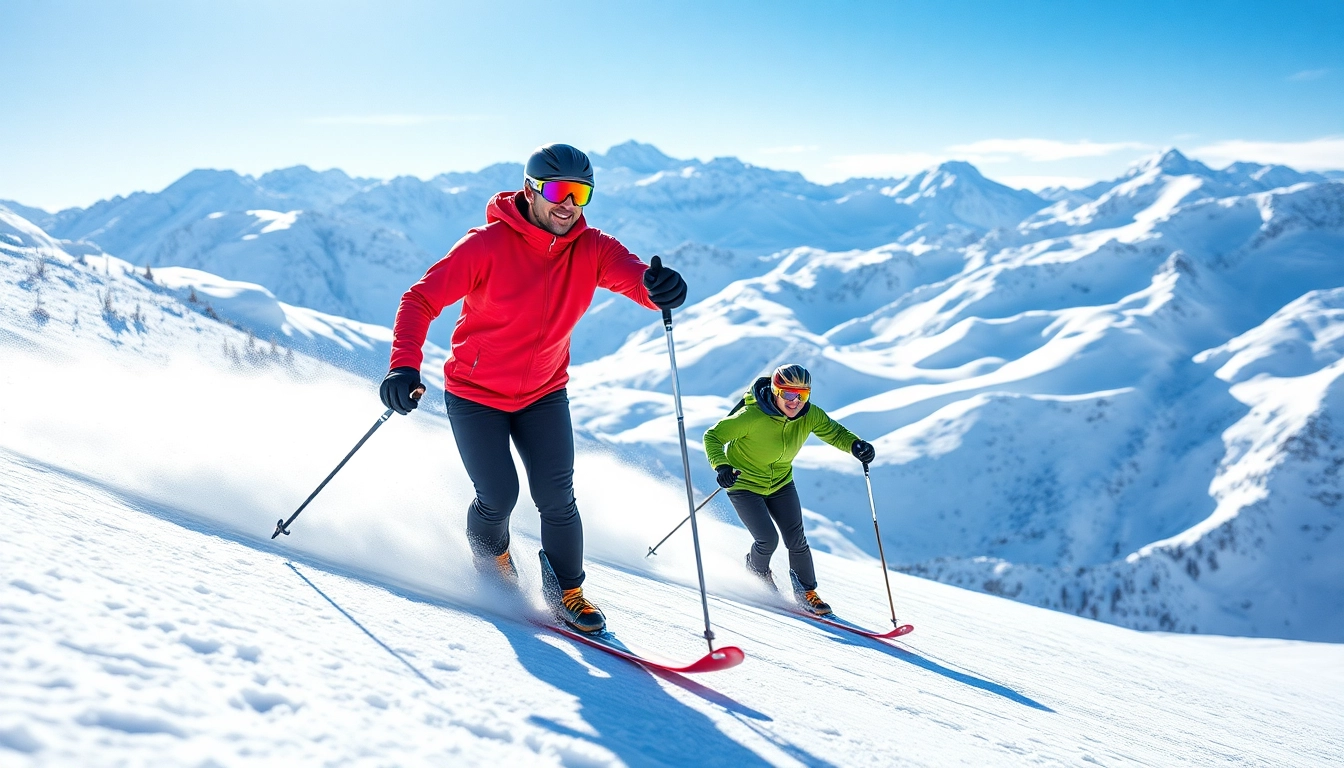
Understanding Merino Wool Base Layers for Skiing
When hitting the slopes, one of the critical decisions you’ll face is what to wear as your base layer. For snow sports enthusiasts, merino wool base layers for skiing have gained immense popularity due to their unique properties. But what exactly is merino wool, and why is it so favored for winter sports? Let’s explore.
What is Merino Wool?
Merino wool is a natural fiber harvested from Merino sheep, a breed renowned for its fine wool quality. Unlike traditional wool, which can be coarse and itchy, merino wool is soft, lightweight, and incredibly warm. The fibers are finer than regular wool strands, making them comfortable to wear directly against the skin. With its origins rooted in New Zealand and Australia, merino wool is regarded as a premium fabric choice for outdoor wear, particularly in colder climates.
Benefits of Merino Wool Base Layers for Skiing
- Superior Insulation: Merino wool provides excellent thermal insulation, keeping you warm without overheating.
- Moisture Management: The fibers wick moisture away from the skin, ensuring you remain dry and comfortable throughout your ski session.
- Odor Resistance: Merino wool contains lanolin, which naturally repels odor, allowing you to wear base layers for extended periods without feeling self-conscious.
- Breathability: This fabric promotes air circulation, reducing the risk of sweating and subsequent chill when the temperature drops.
- Eco-Friendly: A sustainable option, merino wool is biodegradable and renewable, minimizing environmental impact.
Key Features to Look For
When choosing merino wool base layers for skiing, it’s vital to consider a few key features:
- Fabric Weight: Merino wool comes in various weights, typically measured in grams per square meter (g/m²). A lighter weight (around 150 g/m²) is perfect for milder conditions or high-energy activities like skiing, while medium (200-250 g/m²) is suited for colder environments.
- Seam Construction: Look for flatlock seams to prevent chafing and enhance comfort while flexing and moving.
- Fit: Ensure a snug fit that allows easy layering without restricting movement.
- Moisture Management Technology: Some brands incorporate advanced technology to enhance moisture-wicking capabilities.
Top Considerations When Selecting Merino Wool Base Layers for Skiing
Weight and Thickness Considerations
The weight of your merino wool base layer is crucial for effective performance on the slopes. Lighter options may be preferable for spring skiing or high-output activities, while heavier options assure warmth in extreme conditions. Evaluate the predicted weather and your activity intensity to select the appropriate weight.
Fit and Comfort
A good base layer should fit tightly without being restrictive. Opt for designs that include 4-way stretch and ergonomic panels that accommodate movement. Comfort is amplified by seamless designs that minimize rub points against the skin.
Moisture Management and Breathability
Critically, your base layer must effectively manage moisture, especially if you perspire heavily. Look for midweight or heavyweight options that offer superior breathability to maintain a comfortable microclimate. It’s important to test various weights in different conditions to discover what works best for your body.
Comparing Merino Wool Base Layers for Skiing with Other Fabrics
Merino Wool vs. Synthetic Fabrics
While synthetic fabrics are often praised for their drying speed and robustness, they may lack the natural moisture management and thermal properties of merino wool. Merino excels in temperature regulation, so if you’re skiing in fluctuating conditions, it can significantly enhance comfort and performance.
Temperature Regulation Features
Temperature regulation is one of merino wool’s standout features. It can trap heat during cold conditions or release it when the temperature rises, keeping your body at a stable temperature. Synthetic fabrics often provide insulation but may lack this adaptability, leading to discomfort during varying activity levels.
Durability and Care Requirements
While merino wool is on the delicate side compared to synthetic fabrics, its natural elasticity allows it to maintain its shape and resist wear if properly cared for. It’s essential to follow washing instructions to avoid shrinking or damaging the fibers. Regular washing is often sufficient, as the odor-resisting properties reduce the need for frequent laundering.
Care and Maintenance of Merino Wool Base Layers for Skiing
Washing and Drying Tips
To keep your merino wool base layers in optimal condition, wash them in cold water on a gentle cycle. Use a mild detergent designed for wool or delicate fabrics. Avoid fabric softeners, as they can impair the wool’s natural properties. Lay flat to dry to prevent stretching or misshaping.
Storing Merino Wool Correctly
When the ski season ends, store your merino wool base layers in a cool, dry place. Avoid direct sunlight, which can fade colors and weaken fibers. Consider using breathable cotton storage bags instead of plastic to prevent moisture build-up.
Avoiding Common Damage
Merino wool is susceptible to damage from heat, so never expose it to high temperatures, whether in the washing machine or dryer. Avoid abrasive surfaces, as they can create pulls. If you snag your base layer, address it promptly to prevent further damage.
Frequently Asked Questions About Merino Wool Base Layers for Skiing
Are merino wool base layers worth the investment?
Yes, while they may be pricier upfront, their longevity, performance, and comfort make them a sound investment for winter sports enthusiasts.
How do I choose the right weight for skiing?
Consider the season and your activity level. Lighter options are good for warmer days, while heavier weights offer comfort in cold conditions.
Can merino wool base layers be worn in warm weather?
Yes, lightweight merino wool can be worn in warmer conditions due to its moisture-wicking and breathable properties, keeping you cool.
How often should I wash my merino wool base layers?
You should wash them after several wears or when they begin to smell. Regular washing is facilitated by the natural odor resistance of the material.
What should I pair with merino wool base layers for skiing?
Layer your merino wool base layer with insulating mid-layers and waterproof outer layers to maximize warmth and protection from the elements while skiing.