
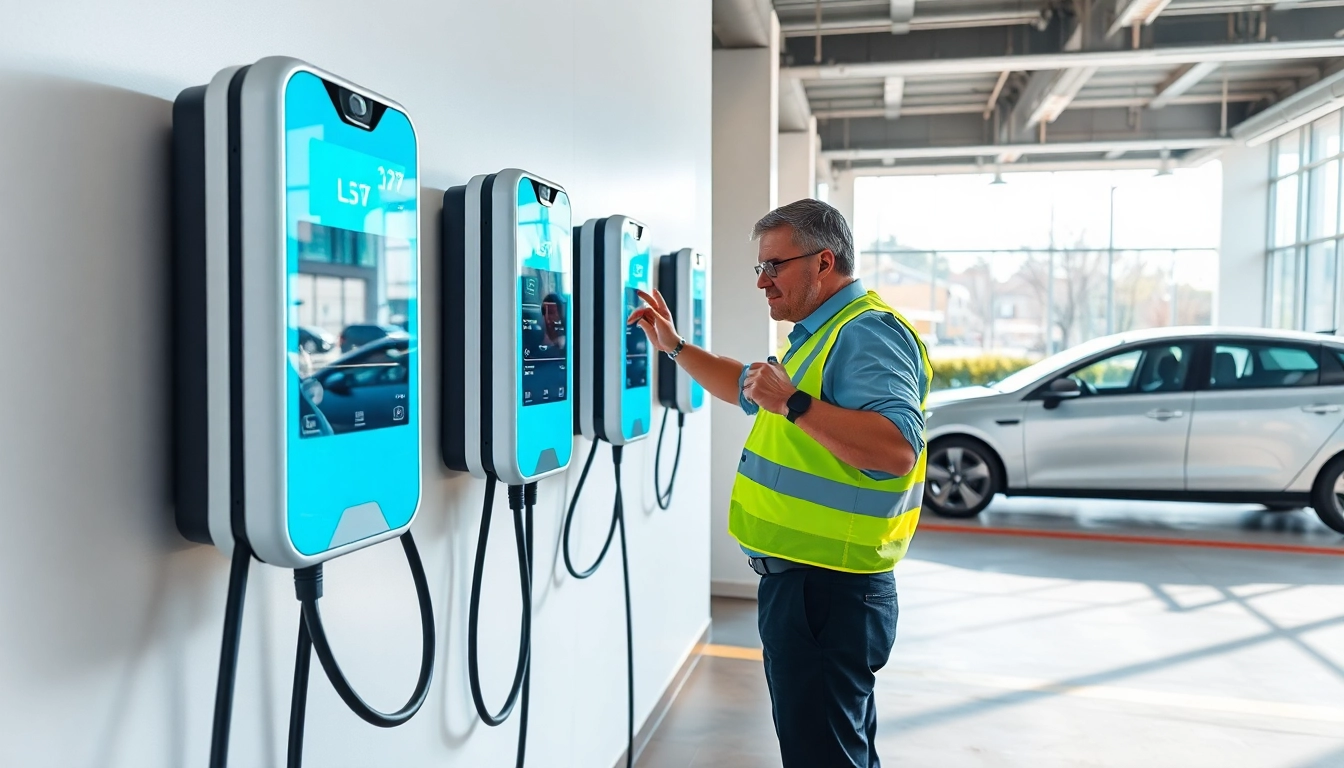
Understanding the Basics of EV Charging Installation
What is EV Charging Installation?
EV Charging Installation refers to the process of setting up electric vehicle (EV) charging stations at various locations, including homes, businesses, and public areas. As electric vehicles continue to gain popularity, the demand for reliable charging solutions has increased significantly. This installation process involves evaluating the existing infrastructure, selecting suitable charging equipment, coordinating with local utilities, and ensuring compliance with regulations. The ultimate goal is to provide accessible and efficient charging options for EV users, making it a pivotal aspect of the EV ecosystem. For businesses looking to enhance their services or support a greener initiative, EV Charging Installation is an essential consideration.
Types of EV Chargers Available
EV chargers typically fall into three categories: Level 1, Level 2, and DC Fast Chargers.
- Level 1 Chargers: These use a standard 120V outlet and are the most basic type of EV charger. They are suitable for home use, providing a slow charge that is ideal for overnight charging.
- Level 2 Chargers: Operating at 240V, Level 2 chargers can significantly reduce charging time compared to Level 1. They are commonly installed in residential and commercial settings, perfect for businesses looking to provide convenient charging to customers and employees.
- DC Fast Chargers: These chargers deliver high power directly to the vehicle’s battery, allowing for rapid charging in public settings. They can charge an EV to 80% in approximately 30 minutes, making them ideal for highway stops and high-traffic areas.
Benefits of Installing EV Charging Stations
The installation of EV charging stations offers numerous benefits, particularly for businesses and organizations looking to align with sustainable practices.
- Attracting Customers: Providing charging stations on-site can attract EV owners, enhancing foot traffic and increasing sales.
- Supporting Sustainability: Installing chargers contributes to reducing greenhouse gas emissions, positioning your business as environmentally responsible.
- Increase Property Value: Properties equipped with EV charging facilities are often more appealing to potential buyers and tenants, thus increasing market value.
- Tax Incentives: Many regions offer financial incentives or tax rebates for installing EV charging stations, which can significantly reduce initial expenditure.
- Future-Proofing Your Business: As the adoption of electric vehicles grows, staying ahead of trends by investing in EV infrastructure ensures your business remains relevant.
Planning Your EV Charging Installation
Evaluating Your Site’s Infrastructure
The first step in planning your EV Charging Installation is to conduct a thorough evaluation of your site’s infrastructure.
This involves assessing the electrical capacity available at your location, proximity to existing power lines, and determining if upgrades are necessary to support the new equipment.
Engaging with a qualified electrician or EV charging specialist can provide valuable insights during this phase, ensuring that your installation will meet both current and future needs. Additionally, examining the physical space is vital, as it dictates the layout and number of charging stations that can be installed.
Choosing the Right Location for Installation
Selecting an appropriate location for your EV chargers is critical for maximizing convenience and usage.
Consider locations that are easily accessible, well-lit for safety, and close to amenities like shopping areas or workplaces. High-traffic locations are ideal, as they will serve more users and, in turn, generate increased foot traffic to your business. Furthermore, ensure that the charging stations are properly signposted to guide drivers effectively.
Understanding Local Regulations and Permits
Before proceeding with your installation, it’s essential to familiarize yourself with local regulations governing EV charging stations.
Regulations can vary significantly between regions and may involve zoning laws, electrical codes, and safety standards. Therefore, obtaining the necessary permits before installation is crucial to avoid fines or project delays. Consulting with local authorities or a professional with expertise in EV installations can streamline this process and ensure compliance with all requirements.
Best Practices for EV Charging Installation
Efficient Installation Techniques
Efficient installation of EV charging stations not only minimizes disruption to your operations but also optimizes the performance of the chargers installed.
Employing a systematic approach to the installation process – from careful site evaluation to coordinated work schedules with contractors – can enhance efficiency. Further, using certified installation technicians familiar with local codes and best practices ensures a safer, more reliable setup.
Integrating Smart Technology Solutions
Integrating smart technology solutions into your EV charging stations can significantly enhance their utility and user experience.
Add features such as mobile app integration for real-time availability updates, payment processing, and remote monitoring capabilities. Smart chargers can also provide analytics on usage patterns, helping you to optimize charging strategies and understand consumer behavior.
Cost-effective Charger Options
Selecting the right charger that balances quality with cost-effectiveness is crucial for any installation.
Consider purchasing chargers that offer flexible financing options or leasing plans, especially when initial costs are a concern. Additionally, choosing equipment from reputable manufacturers ensures reliability and adequate warranty support, saving costs on maintenance in the long term.
Maximizing Utilization After Installation
Promoting Your EV Charging Stations
To maximize the utilization of your EV charging stations, active promotion is key.
Leverage social media, email newsletters, and local partnerships to spread awareness of your new charging facilities. Incentives like discounted rates or loyalty programs can also encourage usage and foster repeat visits. Providing clear information and signage regarding charging options and availability is essential for attracting EV drivers.
Monitoring and Maintenance of Charging Stations
Regular monitoring and maintenance are vital for ensuring the longevity and reliability of your EV charging stations.
Implement a routine check-up schedule that covers inspections for hardware integrity and software updates. Remote monitoring systems can alert you to any issues, making it easier to maintain operational efficiency and provide a positive user experience.
User Engagement Strategies
Engaging with users of your EV charging stations is crucial for gathering feedback and improving services.
Consider developing a digital app or website portal where users can leave reviews, report issues, or provide suggestions. This interaction fosters community and loyalty among EV drivers and helps you tailor your offerings to better meet their needs.
Future Trends in EV Charging Infrastructure
Emerging Technologies in EV Charging
As the demand for EVs grows, emerging technologies will shape the future landscape of charging infrastructure.
- Wireless Charging: This technology offers convenience by allowing EVs to charge simply by parking over a charging pad.
- Vehicle-to-Grid (V2G) Technologies: These allow for energy to flow both ways between an EV and the grid, enabling EV owners to sell back excess energy from their car batteries.
Adopting these innovations can significantly enhance the effectiveness and attractiveness of your charging stations.
The Role of Renewable Energy
Integrating renewable energy sources, such as solar or wind, into your EV charging infrastructure is a growing trend aimed at reducing carbon footprints further.
Installing solar panels to power charging stations can not only reduce operational costs but also appeal to environmentally conscious consumers. These eco-friendly options are expected to gain traction as more businesses seek sustainable solutions.
Government Incentives and Support Programs
Governments worldwide are implementing various programs to encourage the adoption of electric vehicles and the installation of charging stations.
Stay updated on available incentives, grants, or subsidies in your area that may help offset installation costs. Leveraging these financial opportunities can help make your EV Charging Installation project more viable and economical.
Frequently Asked Questions about EV Charging Installation
1. What types of chargers are best for commercial installation?
Level 2 chargers are typically the best option for commercial installations due to their balance of cost and charge speed. DC Fast Chargers are ideal for locations needing rapid charging solutions.
2. Do I need a permit to install EV charging stations?
Yes, most local jurisdictions require permits for EV charging station installations. It’s crucial to check local regulations prior to installation to ensure compliance.
3. How long does it take to install charging stations?
The installation time can vary depending on the number of chargers and site conditions but generally takes a few days to a week for most commercial installations.
4. Can I install EV chargers in my residential garage?
Yes, installing EV chargers in residential garages is common. Ensure that your home’s electrical system can support the charger’s requirements.
5. What maintenance do EV charging stations require?
Regular maintenance typically includes checking electrical connections, updating software, and ensuring the physical integrity of the stations to provide optimal service.