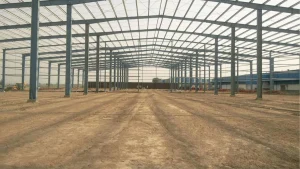
Understanding Industrial Leasing
Definition of Industrial Leasing
Industrial leasing refers to the practice of renting out industrial spaces, such as warehouses, factories, and distribution centers, for business operations. This leasing arrangement allows companies to occupy and utilize property without the need to purchase it outright. Typically, industrial leasing can vary in duration, from short-term leases that last a few months to long-term agreements spanning several years. The agreements cover the rights and responsibilities of both the lessor and lessee, ensuring clarity in the operation and maintenance of the leased property.
Importance of Industrial Leasing for Businesses
For many businesses, especially those in manufacturing, logistics, and distribution sectors, industrial leasing serves as an essential strategy for operational efficiency. It provides an opportunity to access prime locations that facilitate easier transportation and lower operational costs. Moreover, leasing allows companies to allocate capital to areas such as workforce expansion, technology, or inventory, rather than locking funds into property investments. This flexibility is especially crucial in today’s rapidly evolving business environment, where adaptability can mean the difference between success and failure.
Types of Industrial Leasing Agreements
Understanding the different types of industrial leasing agreements can help businesses navigate their options effectively. The main types include:
- Operating Leases: Shorter in duration, typically used for equipment and machinery leases. They provide flexibility without committing to long-term liability.
- Capital Leases: More akin to ownership, capital leases often imply that ownership will be transferred to the lessee at the end of the lease term.
- Full-Service Leases: These leases cover all leasing costs, including maintenance and utilities, offering a predictable expense structure for businesses.
- Modified Gross Leases: These leases require the lessor to pay for certain expenses, such as property taxes, while the lessee covers others like utilities, striking a balance between risk and cost.
Benefits of Industrial Leasing
Cost Efficiency in Industrial Leasing
One of the primary advantages of industrial leasing is cost efficiency. Leasing typically requires lower upfront capital expenditure compared to purchasing property. It allows businesses to allocate funds toward critical areas of operation without enduring the financial burden of property ownership. Additionally, leasing often includes predictable monthly costs, helping businesses with budget management. Over time, the savings from avoiding unexpected property repairs or market fluctuations can significantly enhance a company’s cash flow.
Flexibility and Scalability in Leasing Models
Industrial leasing presents businesses with remarkable flexibility. Companies can adjust their leased space according to operational needs, whether scaling up due to increased demand or downsizing in response to market shifts. This is particularly beneficial in industries characterized by rapid growth or seasonal fluctuations. For instance, a logistics company can expand its warehouse floor space during peak seasons and revert back to a smaller footprint during off-peak times without the complications associated with selling property or moving ownership.
Access to Premium Locations
Leasing offers the opportunity to secure prime real estate without the constraints of buying property. Strategic locations near transport hubs, suppliers, and customers can dramatically streamline operations and enhance productivity. Businesses that rely on timely distribution can benefit immensely from warehousing spaces in key transit areas, thereby reducing transportation time and costs. Access to such high-demand areas often becomes a differentiating factor in competitive markets, especially for industries sensitive to logistics and supply chain efficiencies.
Challenges in Industrial Leasing
Market Fluctuations and Their Impact
Despite its numerous benefits, industrial leasing faces challenges, particularly market fluctuations. Changes in the economy can lead to rising lease rates, which can strain budgets. Companies must be proactive in monitoring market trends and preparing for adjustments to leasing terms. Additionally, fluctuations may affect the availability of suitable industrial spaces, compelling companies to adjust their operational strategies based on the current market landscape. Understanding regional economic indicators can help businesses anticipate such changes and plan accordingly.
Understanding Lease Terms and Conditions
Another challenge with industrial leasing involves navigating complex lease agreements. Entrepreneurs may find legal jargon and intricate terms difficult to comprehend, leading to potentially unfavorable conditions. Key lease terms that need careful review include duration, renewal options, maintenance responsibilities, and termination clauses. Businesses are advised to engage with legal professionals or experienced real estate agents to ensure they fully understand their commitments. This guidance is crucial to avoid costly misunderstandings in the future.
Compliance and Regulatory Considerations
Compliance with local regulations and zoning laws is essential when leasing industrial property. Businesses must conduct due diligence regarding environmental regulations, safety standards, and land use laws. Non-compliance can result in penalties, forced modifications, or even eviction. It is advisable for businesses to consult with compliance experts to ensure they are aware of requirements that affect their operations, thereby mitigating risks associated with regulatory violations.
Best Practices for Successful Industrial Leasing
Conducting Comprehensive Market Research
Thorough market research is the foundation of effective industrial leasing. Businesses need to analyze current market trends, such as vacancy rates, lease terms, and rental rates, to negotiate favorable deals. This research should extend beyond mere statistics: understanding the competitive landscape and forecasting future developments in the region is key. Engaging with market data services, local economic forecasts, and property reports can equip companies with insights necessary for informed decision-making.
Negotiating Lease Terms Effectively
Effective negotiation of lease terms is crucial to maximizing the benefits of industrial leasing. Companies should aim to establish terms that align with their growth plans and operational needs. This includes negotiating for flexibility in lease duration, cost escalations, and maintenance responsibilities. Demonstrating an understanding of market conditions can empower businesses during negotiations, allowing them to secure advantageous terms effectively. Preparation is key; enter negotiations well-informed and ready to present your case.
Working with Real Estate Professionals
Developing a successful industrial leasing strategy often involves the expertise of real estate professionals. These experts can provide invaluable insights into local market conditions, help identify available properties, and assist in negotiations. Their experience can facilitate smoother transactions and navigate any complexities associated with leasing agreements. Businesses should seek reputable agents with a solid track record in industrial real estate who can guide them through the leasing process.
Future Trends in Industrial Leasing
The Rise of Eco-Friendly Buildings
As sustainability becomes a core focus for businesses, the demand for eco-friendly industrial spaces is on the rise. Many companies are seeking energy-efficient buildings that align with their environmental goals and attract socially responsible consumers. Innovations such as solar power, improved insulation, and water conservation systems not only lower operating costs but also help in securing tax benefits. Keeping an eye on this eco-conscious trend can offer companies a competitive edge in their leasing strategy.
Technological Innovations in Leasing Processes
The industrial leasing sector is undergoing significant transformation with technological advancements. Property management software, virtual tours, and online negotiation platforms are streamlining leasing processes, making them more accessible and efficient. The use of data analytics allows potential lessees to assess the total cost of leasing versus purchasing more accurately while providing insights into market dynamics. Companies that leverage these technologies can save time and resources, further enhancing their operational capabilities.
Impact of E-commerce on Industrial Leasing
The growth of e-commerce is reshaping the landscape of industrial leasing. With rising demand for last-mile delivery options, warehouse spaces are increasingly finding favor with retailers seeking to provide fast shipping solutions. This shift is leading to a significant push for smaller distribution centers closer to urban areas. Understanding this trend can allow businesses to capitalize on opportunities within the e-commerce domain, securing strategic locations that cater to consumer demand for quicker delivery times.
Frequently Asked Questions
What is industrial leasing?
Industrial leasing is the practice of renting industrial spaces, such as warehouses or factories, instead of purchasing them outright. It allows businesses to conduct operations without large capital expenditures.
What are the types of industrial leasing agreements?
Common types include operating leases, capital leases, full-service leases, and modified gross leases, each differing in obligations and responsibilities for tenants and landlords.
What are the benefits of industrial leasing?
Major benefits include cost efficiency, flexibility, scalability, and access to premium locations, enabling companies to better manage operational needs and financial resources.
What challenges can arise in industrial leasing?
Challenges include market fluctuations affecting costs, understanding complex lease terms, and ensuring compliance with regulatory requirements, which can complicate leasing agreements.
How can businesses negotiate favorable lease terms?
Businesses can negotiate favorable lease terms by conducting comprehensive market research, understanding their needs, and engaging with experienced real estate professionals who can provide insights and support during negotiations.