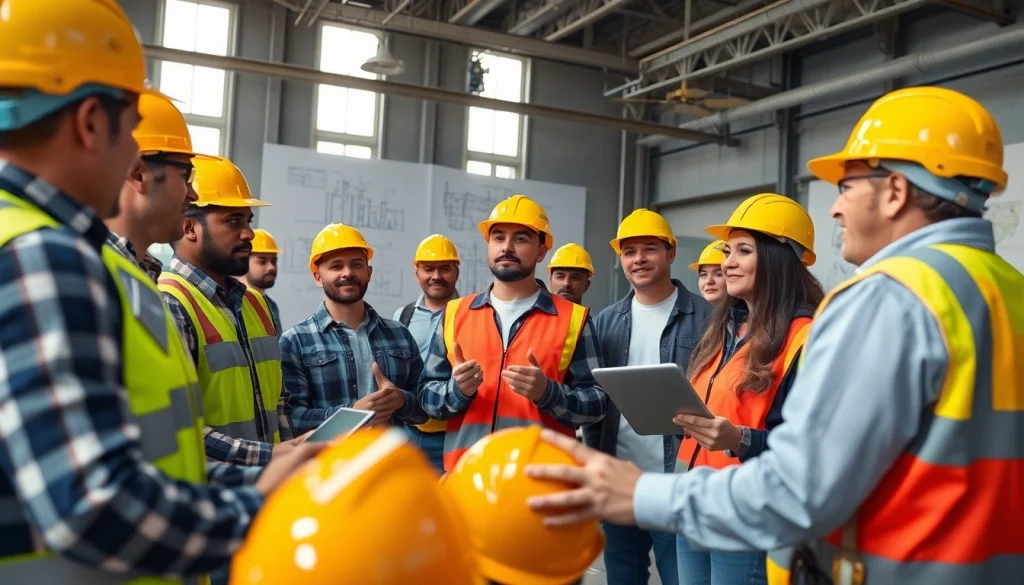
Understanding the Importance of Construction Safety Training
Defining Construction Safety Training
Construction safety training encompasses educational programs designed to teach workers about the hazards they may encounter on job sites and the safety protocols necessary to protect themselves and their coworkers. With the construction industry notorious for its risks, these training sessions promote a culture of safety, empowering employees to recognize potential dangers and respond effectively. By incorporating hands-on experiences, simulations, and interactive learning, construction safety training enhances workers’ awareness and equips them with the skills needed to prevent accidents.
Legal Requirements and Regulations
The construction industry is heavily regulated to ensure that employees work in safe environments. Organizations must comply with local, state, and federal regulations that outline safety standards. A pivotal component of these regulations is the Occupational Safety and Health Administration (OSHA), which mandates specific safety training for certain job roles. Employers must provide construction safety training to help workers understand and implement these legal safety requirements. This not only protects the workforce but also shields companies from potential legal liabilities and fines due to non-compliance.
Impact on Workforce Safety
Empirical studies show a direct correlation between comprehensive safety training and reduced accident rates in construction. When workers are educated about safety procedures and policies, they are more vigilant and better able to avoid hazardous situations. Additionally, a well-trained workforce can improve morale, satisfaction, and productivity. Implementing effective safety training can lead to fewer work-related injuries and illnesses, resulting in lower insurance premiums and reduced costs associated with accident recovery.
Key Components of an Effective Training Program
Identifying Training Needs
The first step in developing an effective safety training program involves assessing the specific training needs of the workforce. This can be achieved through the analysis of incident reports, surveys, and job site inspections. Moreover, understanding the demographics of workers, including their language proficiency and literacy levels, helps tailor training content. By identifying these needs, training can be customized to address the most pertinent risks associated with particular roles and tasks, leading to meaningful learning experiences.
Choosing Appropriate Training Methods
Selecting the right training delivery methods is crucial to the program’s effectiveness. Various approaches exist, including classroom workshops, online courses, and on-site demonstrations. Depending on the workforce’s learning styles and the complexity of the safety topics, a blended learning approach may be beneficial. For instance, while some workers may thrive in interactive classroom environments, others may prefer self-paced e-learning formats. Therefore, providing a range of training options can enhance engagement and retention.
Engaging Participants During Training
Maintaining participant engagement during training sessions is critical for knowledge retention. Incorporating interactive elements such as discussions, quizzes, and group activities can transform a traditional lecture format into a more engaging experience. Utilizing visual aids, like infographics and videos, can also enhance understanding. Furthermore, trainers can encourage active participation by soliciting questions and facilitating role-play scenarios that allow workers to practice safety protocols in realistic contexts.
Best Practices for Delivering Construction Safety Training
Utilizing Real-life Scenarios
Case studies and real-life examples are powerful teaching tools that can illustrate the consequences of unsafe behaviors and reinforce the importance of safety protocols. By sharing stories of actual incidents—whether they resulted in near misses or significant injuries—trainers can show the repercussions of neglecting safety measures. Moreover, integrating these stories into the training content can create emotional connections, prompting participants to take safety seriously.
Implementing Hands-on Activities
Hands-on activities allow workers to apply their knowledge in practical settings, making the training relevant and impactful. These activities might include operating safety gear, performing safety checks, or conducting risk assessments on job sites. Such immersive experiences help reinforce learning and build confidence among workers about adhering to safety protocols. It’s essential to ensure these activities are conducted under controlled conditions, emphasizing safety throughout the practice.
Measuring Participant Engagement
Monitoring and measuring participant engagement during safety training can offer valuable insights into its effectiveness. Techniques such as participant feedback surveys, retention tests, and observation can assess engagement levels. Additionally, evaluating metrics such as attendance rates and completion rates of mandatory training modules can help determine if adjustments to the training delivery methods are necessary. Engaged workers are more likely to retain information and implement safety practices in their daily routines.
Evaluating the Effectiveness of Safety Training
Setting Performance Metrics
To assess the effectiveness of safety training, organizations must set clear performance metrics that align with their safety goals. These metrics can include reductions in accident rates, improved safety compliance scores, and enhanced employee feedback on training relevancy. Organizations should continuously analyze these metrics to determine if their training initiatives are driving desired outcomes. Setting a timeline for this evaluation helps in making necessary adjustments to the training content and methods.
Gathering Feedback from Participants
Feedback is a crucial component in evaluating training effectiveness. After each training session, gather insights from participants regarding their understanding, engagement, and suggestions for improvement. Surveys and interviews can be held to facilitate this process. This feedback loop allows organizations to make data-driven decisions in refining training programs and addressing any identified gaps in knowledge or skills.
Continuous Improvement of Training Programs
The landscape of construction safety is always evolving due to changes in regulations, technology, and practices. Thus, continuous improvement of training programs is imperative. Regularly updating training materials, incorporating new developments, and responding to participant feedback helps maintain the relevance and effectiveness of the training. Additionally, championing a culture of ongoing learning ensures that safety remains a top priority for workers and management alike.
Common Challenges in Construction Safety Training
Overcoming Resistance to Training
Resistance to training initiatives can stem from several factors, including preconceived notions of “this is unnecessary” or the belief that safety is primarily the company’s responsibility. To overcome this resistance, it is essential to communicate the long-term benefits of safety training, such as reduced accidents and more secure job conditions. Leaders should engage in open discussions about the importance of safety training, fostering an environment where employees value their own well-being and that of their peers.
Addressing Language Barriers
With a diverse workforce comes the challenge of language barriers, which can hinder effective training communication. To accommodate non-native speakers, organizations should provide multilingual training materials and interpreters when necessary. Furthermore, using visual aids and demonstrations can bridge communication gaps, making it easier for all employees to understand safety protocols and practices. Educators can also encourage workers to ask questions to ensure comprehension.
Tips for Sustaining Training Momentum
After initial training sessions, sustaining momentum for ongoing safety practices can be challenging. To maintain engagement, refresh training content regularly and incorporate new methods and technologies. Establishing a safety committee composed of employees can also help keep safety at the forefront of workplace culture. Encouraging employees to share safety success stories can create a positive feedback loop, reinforcing commitment to safety practices throughout the organization.
FAQs About Construction Safety Training
What is the purpose of construction safety training?
Construction safety training aims to educate workers about job site hazards, safety protocols, and risk management strategies to minimize accidents and injuries.
Who is required to take construction safety training?
Typically, all construction workers must complete safety training as mandated by OSHA or relevant local regulations, particularly those involved in high-risk jobs.
How often should safety training be conducted?
Safety training should be performed regularly, including orientation for new hires and refreshers to address any changes in regulations or job processes.
Can construction safety training be conducted online?
Yes, many organizations offer online safety training modules that allow employees to learn at their own pace, making it accessible for diverse workforces.
How can effectiveness be measured after training?
Effectiveness can be measured through metrics such as accident rates, compliance scores, participant feedback, and knowledge retention assessments.