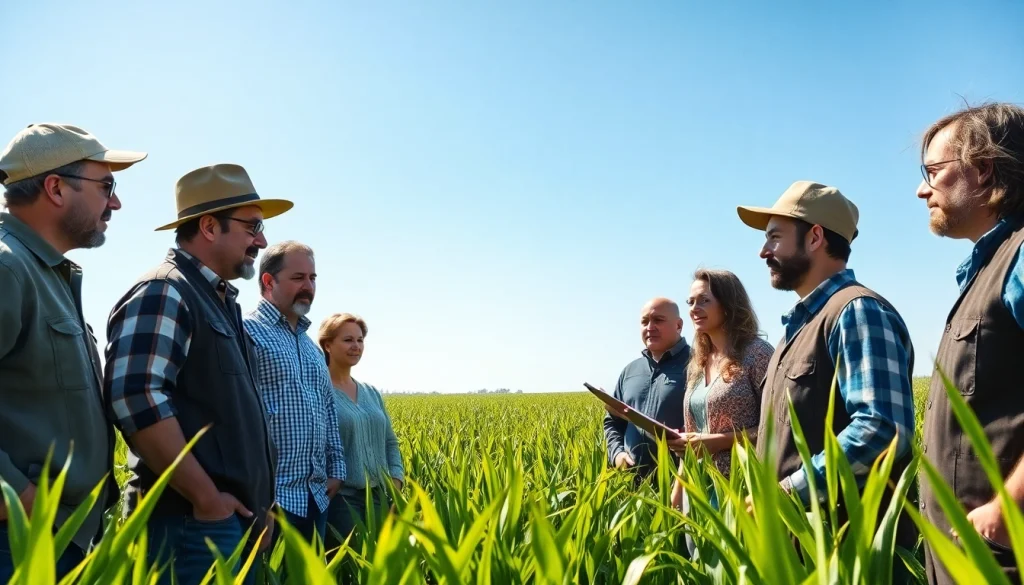
Understanding Agricultural Law Fundamentals
What is Agricultural Law?
Agricultural law encompasses a wide array of legal frameworks that govern the production, distribution, and sale of agricultural products. It combines elements of contract law, environmental law, and administrative law, among others, to create a comprehensive legal environment for farmers and agricultural stakeholders. This may include regulations on land use, labor relations, food safety, and animal welfare. The evolving nature of this discipline reflects current agricultural practices and societal values, making it essential for those in the farming industry to stay informed about changes and implications in agricultural law.
Key Regulations Impacting Farmers
Farmers are subject to numerous regulations at local, state, and federal levels, which can significantly impact their operations. These regulations can include zoning laws that dictate how land can be used, health and safety standards regarding food production, and environmental regulations aimed at protecting natural resources. Key legislative frameworks influencing agricultural practices include the Food Safety Modernization Act (FSMA), the Clean Water Act, and the Endangered Species Act. Understanding these laws is crucial for compliance and optimal farm management.
Importance of Compliance in Agricultural Law
Compliance with agricultural law is vital for several reasons. Firstly, it ensures farmers can operate without legal repercussions that could threaten their financial viability. Non-compliance could lead to fines, lawsuits, and even criminal charges in severe cases. Furthermore, adhering to regulations also promotes sustainable practices that protect the environment, making it crucial for long-term agricultural viability. Farmers who actively work towards compliance can build trust with consumers and regulatory bodies, enhancing their market positioning.
Legal Rights of Farmers
Farmers’ Rights and Responsibilities
Farmers possess both rights and responsibilities under agricultural law which serve to protect their interests. Their rights include the ability to use land for agricultural production, access to markets, and the right to fair compensation for their products. On the flip side, farmers also have responsibilities such as adhering to environmental standards, following labor laws, and maintaining safe working conditions. Balancing these rights and responsibilities is fundamental to sustainable agricultural production.
Protecting Property Rights in Agricultural Practices
Property rights form a cornerstone of agricultural law, granting farmers ownership and control over their land. This legal assurance allows them to invest in improvements and sustainably manage their resources. However, issues can arise, such as eminent domain, where the government may requisition land for public use, or regulatory takings that limit usage rights. Understanding how property rights work within the realm of agricultural law is essential for safeguarding one’s investments and future operations.
Dispute Resolution Mechanisms
Disputes in agriculture can arise from various sources, including contract disagreements, property disputes, and regulatory issues. Agricultural law provides multiple mechanisms for resolving these disputes, including negotiation, mediation, and arbitration. Formal litigation is often a last resort due to its complexity and costs. Farmers should be familiar with dispute resolution processes, as they can help preserve professional relationships and reduce the economic impact of conflicts.
Common Legal Challenges in Agriculture
Addressing Environmental Regulations
The agricultural sector faces intense scrutiny regarding its environmental impact. Regulations aimed at reducing pollution and conserving resources may complicate farming practices. Farmers must navigate federal laws like the Clean Air Act and the Clean Water Act, which impose strict guidelines on waste management and emissions. Proactive environmental stewardship not only ensures compliance but can also enhance a farm’s reputation and competitiveness in sustainable markets.
Handling Contract Disputes
Contracts are essential in agriculture, governing everything from the sale of crops to leasing agreements. However, ambiguous terms can lead to disputes that threaten relationships and profitability. Clear, well-drafted contracts can minimize misunderstandings and facilitate smoother operations. Should disputes arise, farmers can explore mediation or other resolution techniques to avoid prolonged legal conflicts, preserving their resources and focus on agricultural activities.
Navigating Labor and Employment Law
Labor law is a critical area that affects agricultural producers significantly. Farmers must comply with various labor regulations that govern working conditions, wages, and rights of farm workers. Compliance with the Fair Labor Standards Act (FLSA) and Occupational Safety and Health Administration (OSHA) guidelines is vital. With the increasing complexity of labor law, farmers should consider consulting with legal experts to ensure fair treatment of employees while protecting their operational integrity.
Best Practices for Agricultural Legal Compliance
Keeping Updated with Agricultural Law Changes
Staying informed about the latest changes in agricultural law is essential. Legislative shifts can alter compliance requirements, impacting farming operations. Farmers should consider subscribing to industry newsletters, joining agricultural associations, and attending seminars to remain abreast of developments. Engaging legal counsel with expertise in agricultural law can provide tailored guidance that fits the evolving landscape.
Implementing Effective Compliance Strategies
To ensure compliance, farmers can establish internal protocols for adherence to laws and regulations. This might include regular audits of operational practices against current regulations, employee training programs focused on safety and compliance, and proactive engagement with regulatory bodies. Effective documentation of compliance efforts can also serve as protection in case of disputes or audits.
Utilizing Legal Resources and Support
Farmers should be aware of the various resources available to support their legal compliance. Organizations such as the American Farm Bureau Federation and local agricultural extension offices can provide vital information. Additionally, establishing relationships with law firms specializing in agricultural law can be invaluable. These professionals offer insights into nuances of agricultural legislation and are equipped to represent farmers’ interests in disputes when necessary.
Future Trends in Agricultural Law
Impact of Technology on Agricultural Legislation
Advancements in technology are reshaping agricultural practices and, consequently, agricultural law. Innovations such as precision farming, biotechnology, and data analytics are not only optimizing crop production but also raising new legal questions around liability, data ownership, and ethical considerations. As technology evolves, so too will the laws that govern its application in agriculture, demanding agility from farmers in adapting to these changes.
Global Perspectives on Agricultural Law
As agriculture becomes increasingly globalized, understanding international agricultural law will gain prominence. Farmers must be aware of trade agreements, export regulations, and international standards governing agricultural products. Differences in regulations across countries can affect market access and competitiveness, making it essential for farmers to engage with international trade representatives and policy experts to navigate this complex terrain.
Preparing for Transformations in the Agricultural Sector
The agricultural sector is at a pivotal point, driven by climate change, shifting demographics, and technological innovations. Adapting to these transformations requires proactive engagement with upcoming regulations as new challenges will invariably arise. Farmers should seek to diversify their operations, embrace sustainable practices, and foster innovation, while also ensuring compliance with the evolving legal landscape that accompanies these changes.
FAQs about Agricultural Law
What does agricultural law cover?
Agricultural law addresses laws related to farming, land use, environmental regulations, labor relations, and food safety, among others.
Why is compliance important in agricultural law?
Compliance helps farmers avoid legal issues, promotes sustainable practices, and builds trust with consumers and regulatory bodies.
How can farmers protect their property rights?
Farmers can protect property rights by understanding land use laws, adhering to zoning regulations, and engaging legal counsel when necessary.
What are common legal disputes in agriculture?
Common disputes include contract disagreements, property issues, and compliance with environmental regulations, which may require mediation.
How can technology influence agricultural law?
Technology changes agricultural practices and raises new legal questions about liability, data privacy, and ethical use, influencing legislation accordingly.