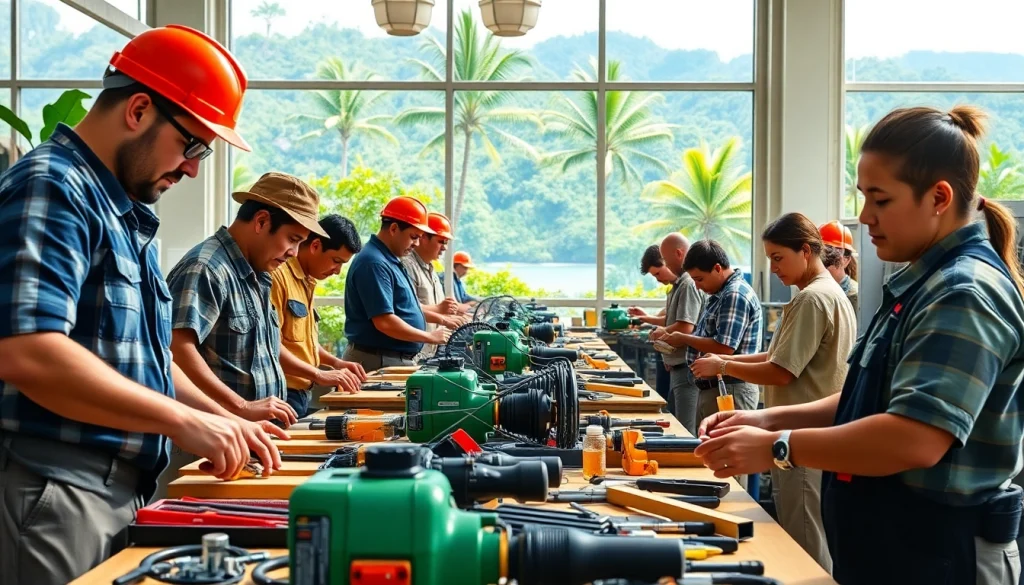
Understanding Trade Schools in Hawaii
Trade schools are vital institutions that offer specialized training, preparing students for careers in various fields. Designed to provide practical and hands-on education, these schools focus on equipping learners with necessary skills that meet the demands of the job market. For those considering their options, exploring trade schools in Hawaii can unveil pathways to fulfilling careers across different industries.
What Are Trade Schools?
Trade schools, also known as vocational schools or technical colleges, specialize in training students for specific careers. Unlike traditional colleges that provide a broad-based education, trade schools emphasize professional skills and practical knowledge. These programs are tailored for students who prefer hands-on learning, often leading to certifications or diplomas in their chosen fields.
Benefits of Attending Trade Schools in Hawaii
The advantages of enrolling in trade schools in Hawaii are numerous. Firstly, they offer accelerated programs that allow students to enter the workforce quickly. Many programs can be completed in just a few months to two years, making them an attractive option for those who wish to start earning sooner. Additionally, the focused training often leads to high job placement rates, particularly in fields that experience a constant demand for skilled labor.
Moreover, trade schools often provide flexible scheduling options, accommodating students with busy lifestyles or those who may be juggling work and study. The tuition cost is generally lower than that of traditional four-year colleges, enabling students to graduate with minimal debt. This financial viability makes trade schools an appealing choice for many.
Popular Programs Offered
In Hawaii, trade schools offer a diverse range of programs that cater to various industries. Some popular fields include:
- Healthcare: Programs in nursing, dental assisting, and emergency medical services.
- Construction: Training for electricians, carpenters, plumbers, and HVAC technicians.
- Cosmetology: Courses in hairstyling, skincare, and makeup artistry.
- Information Technology: Certification programs for network management, cybersecurity, and software development.
- Aviation: Training programs for pilots and aviation technicians.
These fields not only provide good job prospects but also often come with the potential for high earnings.
Navigating Your Options: Types of Trade Schools
Public vs. Private Trade Schools in Hawaii
Understanding the difference between public and private trade schools can help students choose the right educational path. Public trade schools are typically supported by government funding, offering lower tuition rates to in-state students. They often have a wider variety of programs and may provide more options for financial aid.
On the other hand, private trade schools may offer smaller class sizes and specialized programs focusing on niche careers. While tuition can be higher, some find that the personalized instruction justifies the cost, especially in fields with less competition for graduates.
Online vs. In-Person Training
The rise of online learning has also influenced the trade school landscape. While vocational training typically emphasizes hands-on skills, many schools now offer hybrid models that combine online theoretical coursework with in-person practical experiences. This flexibility allows students to learn at their own pace while still benefiting from the essential hands-on training.
Specialized Programs for Different Careers
Some programs are designed exclusively for high-demand industries, ensuring that graduates have the skills necessary to thrive. For example, trade schools that focus on construction might collaborate with local unions to provide apprenticeship opportunities. Similarly, healthcare programs align closely with hospital requirements, ensuring students are job-ready upon graduation.
Costs and Financial Aid for Trade Schools in Hawaii
Tuition Fees Overview
The cost of attending trade schools in Hawaii can vary significantly depending on the institution and program. Typically, tuition ranges from a few thousand dollars to around $30,000 for more specialized programs. Before committing, it’s important for prospective students to review the total cost, including materials, uniforms, and tools necessary for their training.
Scholarships and Grants Available
Many trade schools offer scholarships and grants to help students offset tuition costs. Local organizations and state programs may also provide financial assistance tailored to specific fields of study. Students should thoroughly investigate available options and apply early to maximize their chances of receiving aid.
Student Loan Options and Considerations
Student loans can be a viable option for financing trade school education. Government-backed loans often come with lower interest rates and more flexible repayment terms compared to private loans. Understanding repayment options and making financial plans before enrolling can assist students in managing their finances effectively post-graduation.
Choosing the Right Trade School for You
Accreditation and Reputation
When selecting a trade school, it is essential to consider its accreditation status. Accredited schools must meet specific educational standards and are more likely to be recognized by employers. Researching a school’s reputation can provide valuable insights into its quality of education, faculty qualifications, and student satisfaction rates.
Student Reviews and Success Rates
Reading student reviews is a practical way to gauge how well a trade school prepares its students for their careers. Pay attention to alumni success stories and job placement rates; higher rates often indicate effective training. Many schools publish their data, but independent platforms offer additional, unbiased perspectives.
Location and Facilities
The location of a trade school can also influence your experience. Schools situated in urban areas might offer more internship opportunities due to proximity to industries. Additionally, explore the facilities, such as workshops and labs, to ensure they are well-equipped for the training you seek.
Career Opportunities After Trade School
Job Placement Services
Many trade schools in Hawaii offer robust job placement services to assist graduates in finding employment. These services often include resume writing workshops, interview preparation, and job fairs that connect students with potential employers. Schools may also have partnerships with local businesses, increasing job opportunities for graduates.
High-Paying Trade Careers in Hawaii
Trade careers in Hawaii can be quite lucrative, especially in fields like construction and healthcare. For example, electricians and plumbers often earn substantial wages due to the high demand for their skills. Additionally, healthcare professionals, such as dental hygienists, also tend to have competitive salaries, highlighting the financial benefits of pursuing vocational training.
Future Prospects and Industry Growth
As economies evolve, many trade industries continue to grow, providing ample job prospects for graduates. Fields like renewable energy, for instance, are expanding rapidly, creating new career paths for skilled workers. Staying informed about industry trends can help students align their training with future job markets.
Frequently Asked Questions
Are trade schools in Hawaii accredited?
Yes, many trade schools in Hawaii are accredited by recognized agencies, ensuring a quality education that meets industry standards.
What programs are popular at trade schools in Hawaii?
Popular programs include those in healthcare, electrical work, automotive technology, and culinary arts, which prepare students for specific trades.
How long does it take to complete a trade program?
Most trade programs typically take between six months and two years to complete, depending on the specific field and curriculum requirements.
Do trade schools in Hawaii offer job placement assistance?
Yes, many trade schools provide job placement services that help graduates connect with employers and secure positions in their fields.
What is the cost of attending a trade school in Hawaii?
Tuition costs vary widely, depending on the school and program, but students should research various institutions to find affordable options.