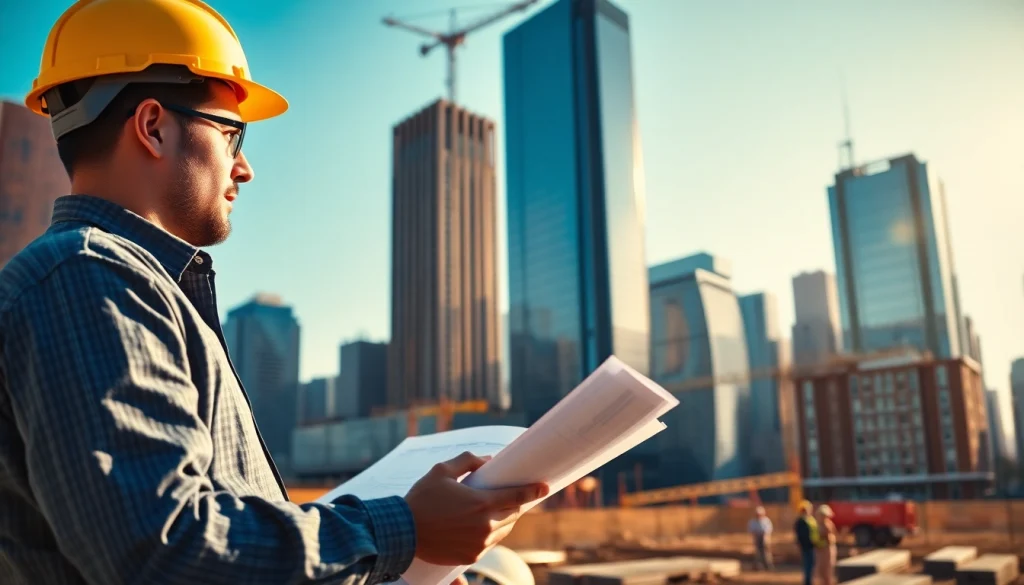
Introduction to the Role of a New York City Construction Manager
The construction industry in New York City is a dynamic and complex field, necessitating skilled professionals who can navigate its unique challenges. A New York City Construction Manager plays a critical role in overseeing various construction projects, ensuring they are completed on time, within budget, and in compliance with local regulations. The role requires a blend of technical expertise, project management abilities, and effective communication skills, all of which are essential for delivering successful construction outcomes in one of the most bustling cities in the world.
Understanding Construction Management in NYC
Construction management in New York City involves the planning, coordination, and execution of construction projects. From residential buildings to commercial complexes, the breadth of projects reflects the city’s diverse architecture and urban infrastructure. In NYC, construction managers must not only manage the logistics of construction but also liaise with various stakeholders, including architects, engineers, contractors, and city officials. High-rise buildings and construction in dense urban areas present unique challenges related to space, safety, and compliance, necessitating a thorough understanding of local building codes and regulations.
Key Responsibilities of a New York City Construction Manager
The responsibilities of a New York City Construction Manager are multifaceted and crucial for the success of any construction endeavor. They include:
- Project Planning: Developing a comprehensive plan that includes timelines, budgets, and resource allocation.
- Budget Management: Monitoring expenses and ensuring that the project stays within financial constraints.
- Staff Coordination: Managing and coordinating the efforts of subcontractors and laborers throughout the construction process.
- Regulatory Compliance: Ensuring all local, state, and federal regulations regarding construction are adhered to.
- Quality Assurance: Implementing quality control measures to maintain the standard of work on-site.
- Risk Management: Identifying potential risks and developing strategies to mitigate them.
The Impact of Local Regulations on Construction Management
New York City is known for its stringent building codes and regulations, which are designed to ensure safety, sustainability, and compliance. Construction Managers must have an in-depth understanding of these requirements, ranging from zoning laws to environmental regulations. Compliance not only prevents costly delays and fines but also enhances safety and improves the overall quality of construction. Managers must frequently communicate with regulatory bodies and adapt their strategies to navigate these often-complex requirements.
Essential Skills for a New York City Construction Manager
Project Management and Organization
At the heart of successful construction management is effective project management. Construction Managers in NYC must adeptly handle multiple aspects of a project simultaneously. Strong organizational skills are vital for creating detailed project schedules, maintaining records, and ensuring effective workflow on site. This includes tracking milestones, deadlines, and deliverables across various phases of construction.
Communication and Leadership Abilities
Effective communication is crucial in construction management, as it often involves coordinating among diverse teams and stakeholders. A Construction Manager must be able to relay complex information clearly and facilitate discussions among architects, engineers, clients, and laborers. Moreover, strong leadership skills are necessary to inspire teams and foster a collaborative work environment, which is essential in a city where every project can significantly impact the community.
Technical Knowledge and Problem-Solving Skills
A deep understanding of construction methods, materials, and engineering principles is critical for a New York City Construction Manager. They must be adept at problem-solving, capable of quickly addressing issues that arise on the construction site. This technical knowledge also facilitates better decision-making, enabling managers to creatively overcome obstacles and enhance project efficiency.
Challenges Faced by New York City Construction Managers
Navigating Complex Regulations
The regulatory landscape in New York City can be overwhelming given its complexity. Construction Managers must stay updated on any changes in laws or codes that may affect their projects. Navigating this landscape requires a robust understanding of legal guidelines, which can vary widely between boroughs. To address these challenges, many managers invest in specialized training and legal consultation, ensuring they remain compliant at every stage of construction.
Managing Budget Constraints
Budget overruns are a common challenge in construction projects, particularly in a city known for its high costs. New York City Construction Managers must be adept at estimating costs and managing finances scrupulously. Effective planning and regular financial reviews are critical techniques employed to keep expenditures in check and ensure project viability. Utilizing advanced project management software can aid in monitoring the financial health of a project in real time.
Addressing Labor Shortages and Workforce Issues
Labor shortages are a persistent issue within the construction industry, accentuated by the high demand for skilled workers in New York City. A Construction Manager must navigate these workforce challenges strategically, implementing effective hiring practices, and fostering a positive work environment to retain talent. Additionally, investing in workforce development programs can help bridge the skills gap while encouraging community participation and investment in the local labor market.
Best Practices for Effective Construction Management in NYC
Implementing Advanced Project Management Tools
The adoption of technology in construction management has revolutionized the industry. Managers should leverage advanced project management tools such as Building Information Modeling (BIM) and project collaboration software. These tools provide real-time data, facilitating better decision-making and enhancing collaboration among teams. Ensuring all stakeholders have access to the same information streamlines communication, reduces errors, and ultimately improves project outcomes.
Fostering Strong Team Collaboration
A collaborative workplace culture can significantly enhance productivity and satisfaction among team members. Promoting transparency and open communication can lead to better problem-solving and more innovative solutions. Regular team meetings, team-building exercises, and a clear delineation of roles and responsibilities can foster a sense of belonging and engagement among workers, which is critical in high-pressure environments like construction sites.
Prioritizing Safety and Compliance Standards
Given the high-risk nature of construction work, prioritizing safety is paramount. Implementing rigorous safety protocols and training programs ensures that every team member understands the safety standards and complies with them. Regular safety audits and drills help reinforce these practices and create an environment where safety is prioritized. Cultivating a proactive safety culture not only protects workers but also enhances project efficiency and reputation.
The Future of Construction Management in New York City
Leveraging Technology for Improved Efficiency
Looking ahead, technology will continue to shape construction management practices. The integration of tools such as augmented reality, drones, and AI in construction processes is expected to increase operational efficiency significantly. Managers who remain at the forefront of these technological advancements can optimize resource allocation and enhance project outcomes while minimizing errors and downtime.
Trends in Sustainable Construction Practices
As the focus on sustainability intensifies, New York City Construction Managers are increasingly tasked with implementing green building practices. This includes using eco-friendly materials and integrating energy-efficient systems into designs. Emphasizing sustainability not only meets regulatory demands but also promotes corporate social responsibility, making projects more appealing to environmentally conscious clients and investors.
Preparing for Post-Pandemic Construction Market Changes
The COVID-19 pandemic has introduced significant changes to the construction industry, necessitating an agile approach to project management. As the market recovers, Construction Managers must be prepared to adapt to new workflow patterns, health and safety standards, and potentially shifting client priorities. By remaining flexible and responsive to these changes, NYC Construction Managers can navigate the evolving landscape and lead their projects successfully in the post-pandemic era.