
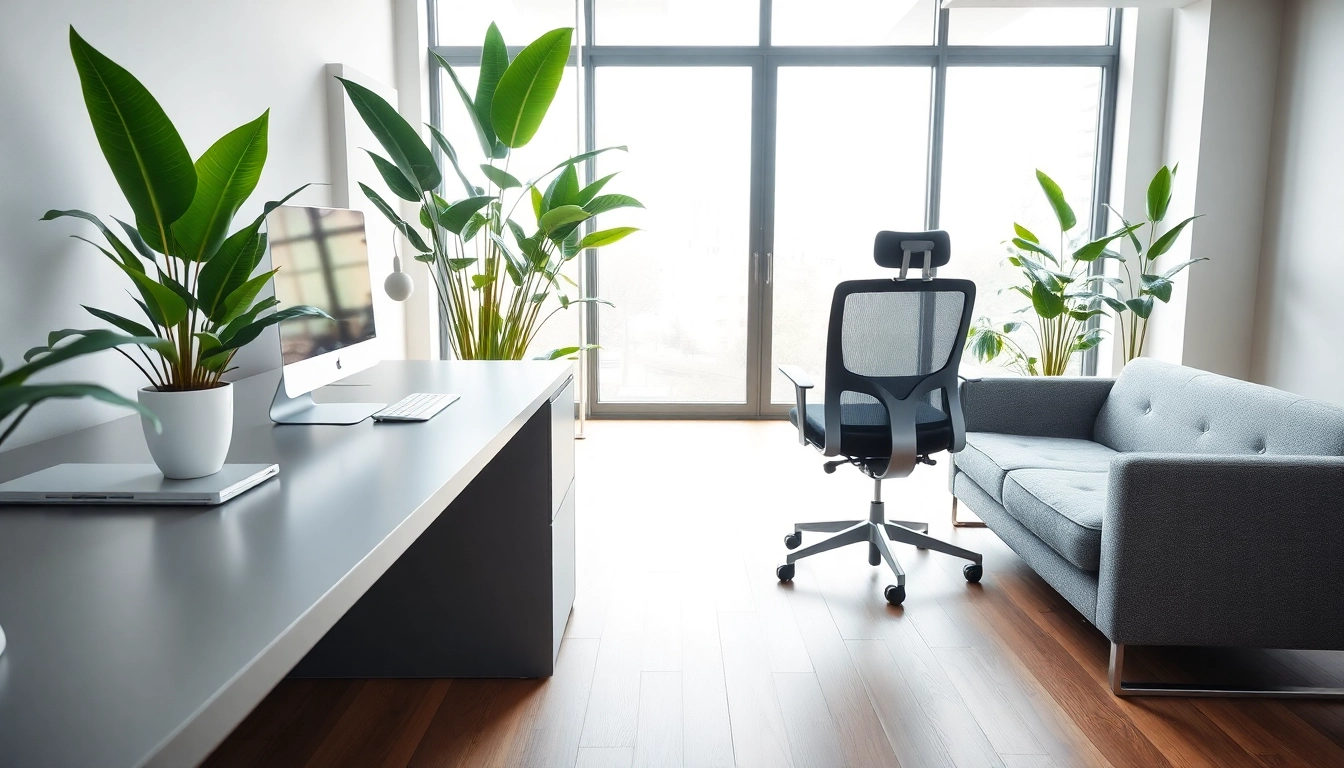
Understanding the Importance of Office Furniture
In any professional environment, the choice of office furniture significantly impacts not just aesthetics but also functionality and employee productivity. A well-furnished office doesn’t merely serve as a place to work; it fosters creativity, collaboration, and comfort. The configuration of furniture can lead to increased efficiency, lower stress levels, and improved focus, making it crucial to understand how to create a workspace that supports productivity and well-being.
Impact on Productivity
Investing in quality office furniture is directly correlated to an employee’s productivity. Studies indicate that employees working in well-designed spaces are more likely to feel motivated and engaged. Ergonomic chairs, adjustable desks, and adequately organized work areas minimize discomfort and distractions, allowing employees to fully concentrate on their tasks. Moreover, the layout can influence collaboration; open spaces encourage cooperation, while designated quiet areas can enhance focus. Therefore, thoughtful selection of office furniture is crucial for optimizing workflows.
Choosing the Right Ergonomics
Ergonomics plays a central role in ensuring that employees remain comfortable while working for extended periods. Furniture that is tailored to the user’s anatomical needs can help prevent repetitive strain injuries, minimize fatigue, and enhance overall comfort. Important ergonomic features to consider include:
- Adjustable chair height and lumbar support.
- Desks with height adjustments for sitting or standing.
- Monitor stands to keep screens at eye level.
- Keyboard trays to ensure hands are positioned comfortably.
By prioritizing ergonomics, businesses enhance the health and well-being of their workforce, resulting in reduced absenteeism and higher productivity levels.
Design Aesthetics and Atmosphere
Beyond functionality, the aesthetic appeal of office furniture shapes the company culture and employees’ moods. A visually pleasing environment can foster a sense of pride, motivate team members, and improve their overall satisfaction. When the design reflects the company’s brand and values, it communicates professionalism and care, both to employees and potential clients. Key design elements to consider include color schemes, materials, and styles that cultivate a desired atmosphere, whether it’s creative, formal, or casual.
Types of Office Furniture for Every Need
Choosing the right furniture involves understanding categories based on need. Different roles, tasks, and employee preferences can guide the selection of specific office furniture types, from desks and chairs to storage solutions.
Desks: Essential Features to Consider
The desk is arguably the centerpiece of any workspace. A well-chosen desk can improve workflow and organization. Key features to evaluate when selecting desks include:
- Size: Choose a desk that fits the space available and accommodates essential work tools without feeling crowded.
- Functionality: Consider desks that offer integrated storage options such as drawers or shelves.
- Shape: L-shaped or U-shaped desks can provide additional workspace and ease communication.
- Height Adjustment: Desks that allow for height adjustments support both sitting and standing work positions, accommodating different users.
With these features in mind, a desk can support employees in achieving their best work, regardless of the tasks they handle.
Chairs: Comfort and Support
The right chair can make a significant difference in terms of comfort and health. Here are essential chair characteristics to guide your selection:
- Adjustability: Chairs should offer multiple adjustments, including seat height, backrest angle, and armrest height for customized comfort.
- Lumbar Support: A good chair must have adequate lumbar support to maintain healthy posture and prevent back issues.
- Material: Breathable fabrics and cushioning enhance comfort over prolonged usage.
A high-quality chair reduces discomfort, enhances focus, and can lead to longer periods of effective work engagement.
Storage Solutions: Maximizing Space
Effective storage solutions are essential in creating an organized and decluttered workspace. Implementing a mixture of open and closed storage provides both accessibility and tidiness. Here are options to consider:
- File Cabinets: Ideal for keeping important documents secure yet readily available.
- Bookcases: Useful for storing books, supplies, or decorative items, contributing to a professional ambiance.
- Mobile Carts: Versatile solutions for shared workspaces that require flexibility and easy access to equipment.
With the right storage options, office spaces can remain organized, which is essential to fostering an efficient working atmosphere.
Trends in Office Furniture Design
As work environments evolve, so too do the trends in office furniture design. Understanding these trends can influence better decisions in selecting furnishings that align with modern work styles and employee preferences.
Modern Minimalism in Workspaces
Minimalist design emphasizes simplicity and functionality, creating a clutter-free workspace that promotes focus. Clean lines, neutral colors, and multifunctional pieces characterize this trend. Brands that embrace minimalism often incorporate fewer materials while maximizing usability, ensuring everything serves a purpose. For instance, desks that transition easily between work and casual setups support productivity without overwhelming the user.
Sustainable and Eco-Friendly Options
With growing environmental consciousness, sustainable furniture is becoming increasingly popular in office design. Eco-friendly materials, such as reclaimed wood, recycled metals, and biodegradable fabrics, dominate this trend. Businesses that choose sustainable office furniture not only reduce their environmental footprint but also appeal to the values of their employees and clientele. Moreover, sustainability can often enhance the aesthetic of an office, providing a unique and warm ambiance through natural elements.
Multi-Functional Furniture for Small Spaces
With the rise of remote work and evolving office spaces, multi-functional furniture solutions are emerging as essential elements in modern design. Pieces that serve multiple purposes—such as desks that convert to dining tables or storage ottomans—allow for versatility in limited spaces. Such designs are particularly valuable for hybrid environments where flexibility and adaptability are vital to meeting varying needs.
Buying Guide for Office Furniture
When purchasing office furniture, it’s essential to approach the process methodically. Below is a comprehensive guide that covers essential aspects to consider.
Setting a Budget
Establishing a budget is a critical first step in purchasing office furniture. Costs can vary widely based on factors such as brand, materials, and design complexity. Brick-and-mortar stores often have unique pricing strategies, so it’s essential to compare costs across outlets. It’s wise to allocate extra budget for potential delivery and assembly fees, plus a reserve for future upgrades or replacements.
Material and Quality Considerations
Choosing quality materials ensures durability and longevity of office furniture. Popular materials include:
- Wood: Offers durability and aesthetic warmth; ensure it’s sustainably sourced when possible.
- Metal: Known for its strength and longevity; suitable for office items that require structural integrity.
- Plastic: Lightweight and versatile, but quality varies; consider models with warranties.
Investing in high-quality materials translates to improved longevity, reducing the need for replacement furniture in the long run.
Where to Shop for Office Furniture
Finding the right place to shop for office furniture can enhance your purchase experience. Options include:
- Online Retailers: Often offer a broader range, with the convenience of home delivery.
- Local Showrooms: Allow you to test furniture in-person and assess quality firsthand.
- Second-Hand Stores: Can offer great deals on quality pieces, but ensure thorough inspection before purchase.
Choosing the right shopping venue can greatly influence your final choice, affecting both satisfaction and investment efficiency.
Maintaining and Upgrading Your Office Furniture
Regular maintenance ensures that office furniture remains functional and visually appealing over time. As trends evolve, awareness of when to upgrade and how to efficiently incorporate new elements can keep your workspace dynamic and effective.
Care Tips for Longevity
To prolong the life of your furniture, consider these care tips:
- Regularly clean surfaces using appropriate cleaners to maintain appearance.
- Ensure that screws and joints remain tight, checking periodically for wear.
- Rearrange desks and chairs to prevent surface wear on carpeting and flooring.
Simple maintenance tasks can prevent larger repair costs and maintain an inviting office atmosphere.
When to Upgrade Your Workspace
Recognizing the right time to upgrade is essential. Signs may include:
- Worn-out or damaged furniture affecting comfort and aesthetics.
- Outdated designs no longer aligning with corporate branding or employee preferences.
- Changing workforce needs, where existing furniture no longer supports business goals.
Periodic assessments of your workspace and its effectiveness will ensure that your office continually meets the needs of your team.
Incorporating New Trends into Existing Furniture
Upgrading doesn’t always mean replacing old furniture; integrating new trends allows for refreshing your workspace creatively. Consider:
- Add new ergonomic chairs alongside existing desks for a balanced comfort approach.
- Colorful accessories or artwork to enhance minimalist office designs.
- Mobile storage solutions that fit into existing setups while maximizing utility.
Such modifications can breathe new life into your existing furniture, ensuring a modern yet sustainable approach to your workspace.